LED Strip Aluminum Profile
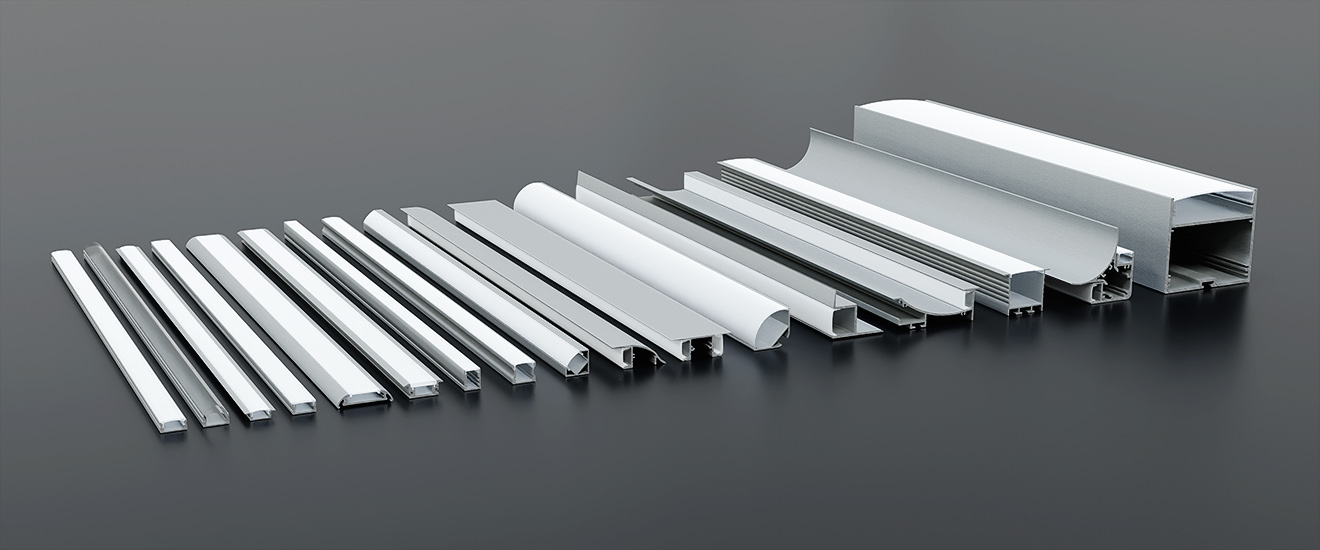
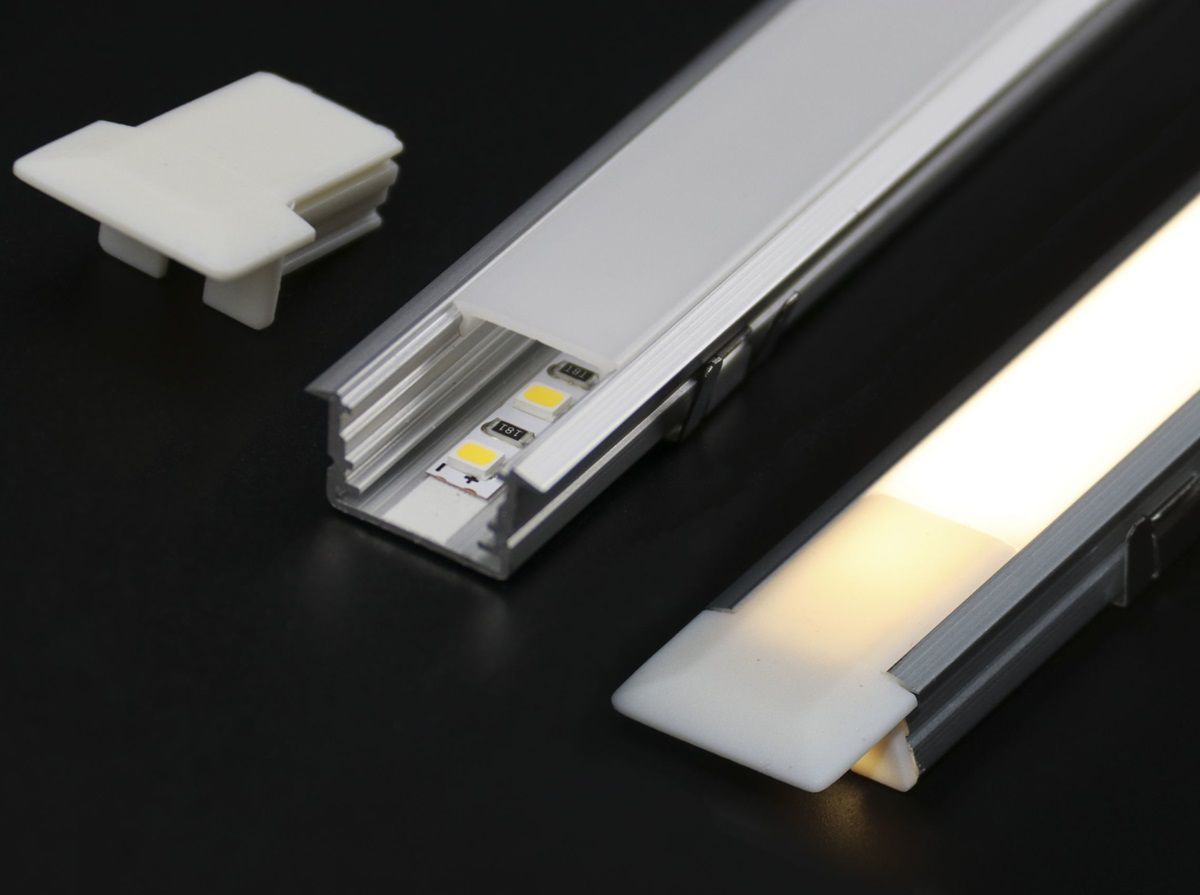
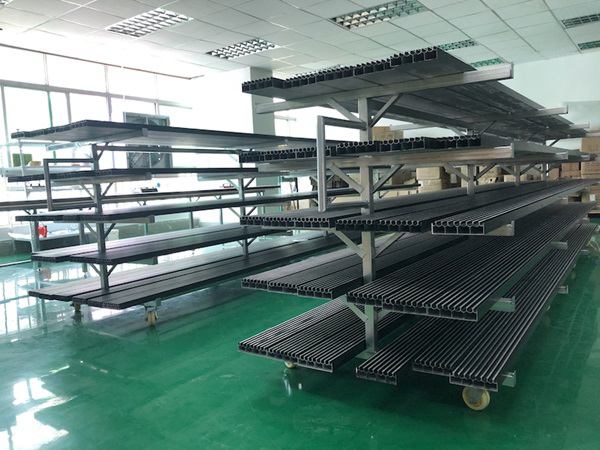
LED strip aluminum profile, also known as an LED aluminum channel or extrusion, is a housing structure made of aluminum that is used to mount and protect LED strip lights. These profiles not only enhance the aesthetic of LED strip installations but also improve their performance and longevity by providing a heat sink to dissipate heat generated by the LEDs.


- 1
Features of LED Strip Aluminum Profile
Heat Dissipation
Aluminum profiles act as a heat sink, absorbing and dissipating the heat produced by the LED strip. This helps prolong the lifespan of the LEDs by preventing overheating.
Enhanced Aesthetics
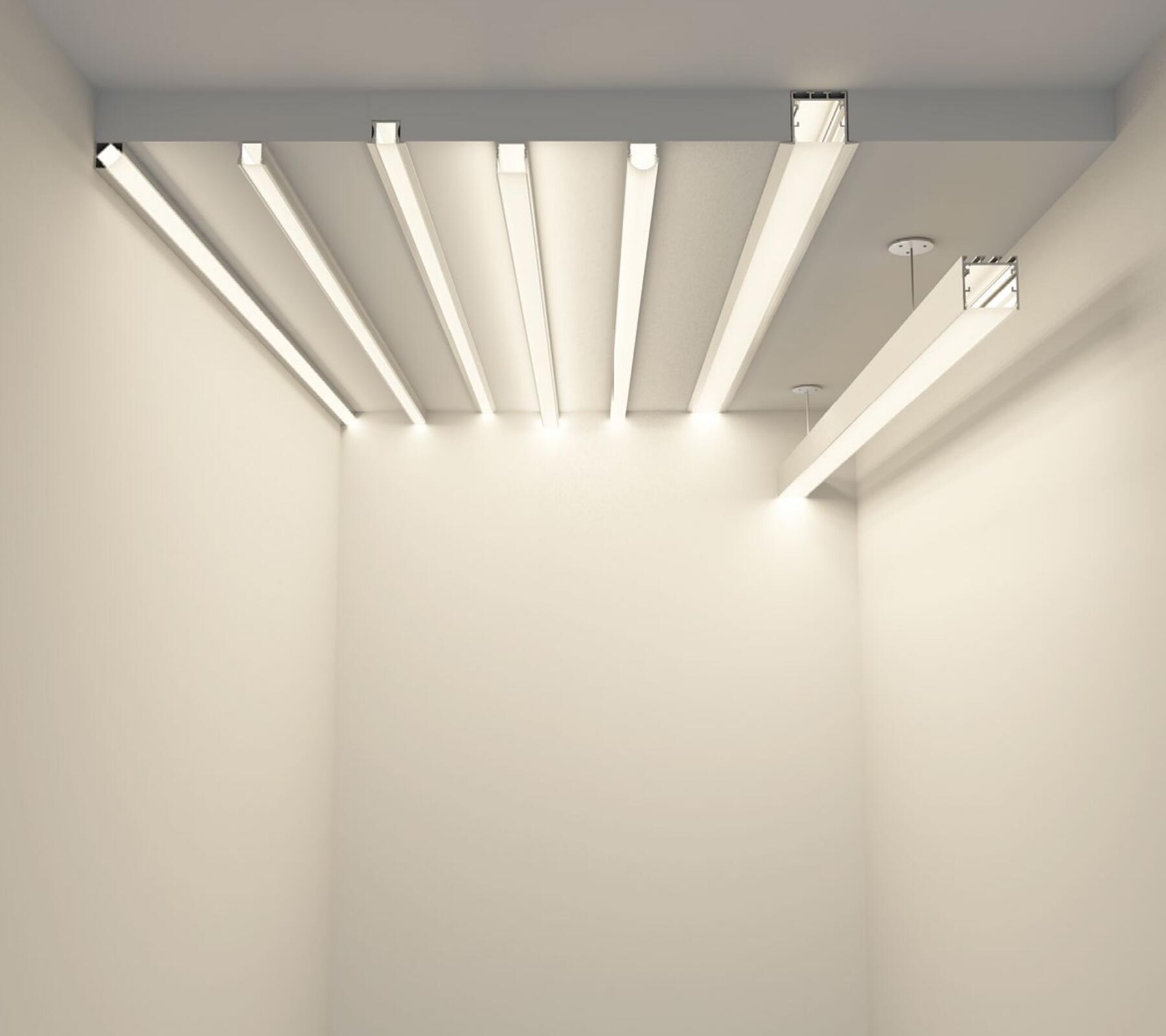
They provide a clean and professional finish to LED strip installations, concealing the strip and creating a more polished look.
Protection
LED aluminum profiles protect the LED strip from dust, moisture, and physical damage.
FAQS
Using an LED aluminum profile helps to dissipate heat generated by the LED strips, extending their lifespan. It also provides a professional finish, protects the LED strip from physical damage, and diffuses the light to reduce glare and create a more uniform lighting effect.
Yes, LED aluminum profiles can be easily cut to your desired length using basic tools like a hacksaw. This allows you to customize the profile to fit specific installation requirements.
Aluminum is a good conductor of heat. When LED strips are installed in an aluminum profile, the profile absorbs and dissipates the heat away from the LEDs, preventing overheating and maintaining optimal performance.
A diffuser cover is recommended as it helps spread the light evenly, reducing hotspots and glare. It also provides additional protection to the LED strip from dust and physical contact.
Mounting methods depend on the type of profile. Surface-mounted profiles can be attached using mounting brackets, screws, or adhesive tapes. Recessed profiles are embedded into surfaces, and corner profiles can be fixed in 90-degree angles using corner brackets or screws.
Yes, diffuser covers come in various options, including transparent, frosted, and opal. Transparent covers provide maximum light output, while frosted and opal covers diffuse the light more effectively, creating a softer and more even lighting effect.
The choice depends on the application, mounting method, and desired lighting effect. Consider factors like where you want to install the profile (surface, recessed, corner), the type of LED strip you are using, and whether you need a waterproof option for outdoor use.
The profile itself does not significantly affect brightness, but the type of diffuser cover used can impact light output. Transparent covers allow more light to pass through, while frosted or opal covers diffuse the light more, slightly reducing brightness but providing a more uniform look.
Yes, LED aluminum profiles can be used with all types of LED strips, including single color, RGB, RGBW, and CCT adjustable strips. They provide a neat installation solution while enhancing the performance and longevity of the LED strips.
Standard aluminum profiles are rigid and not suitable for curved surfaces. However, flexible LED profiles made from softer materials are available for curved installations. These flexible profiles provide similar protection and light diffusion properties as aluminum profiles.
Peel the backing off the adhesive side of the LED strip and place it inside the aluminum profile. Ensure it is positioned correctly before pressing it down firmly. Then, attach the diffuser cover and secure the profile to the desired surface using the appropriate mounting method.
Yes, choosing the right diffuser can affect the lighting effect. Transparent diffusers provide maximum brightness, while frosted and opal diffusers create a softer, more diffused light. The choice depends on the desired aesthetic and lighting requirements of your installation.
Hanron Brand Certificate
ETL/CE/RoHS/Reach/CB/BIS/LM80/RCM

ISO9001:2015

CB

ETL

BIS
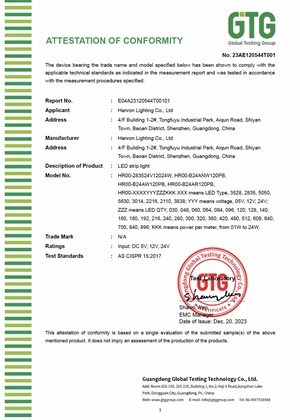
RCM
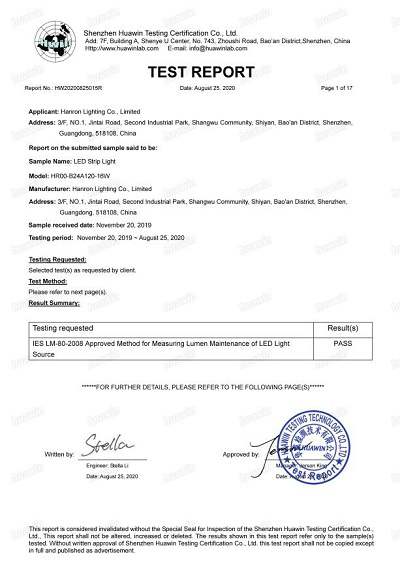
LM80 Test

CE EMC

CE LVD
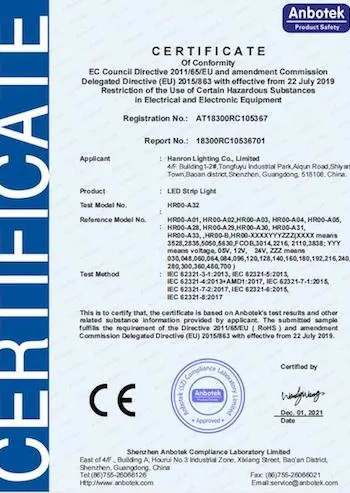
CE RoHS

CE Reach
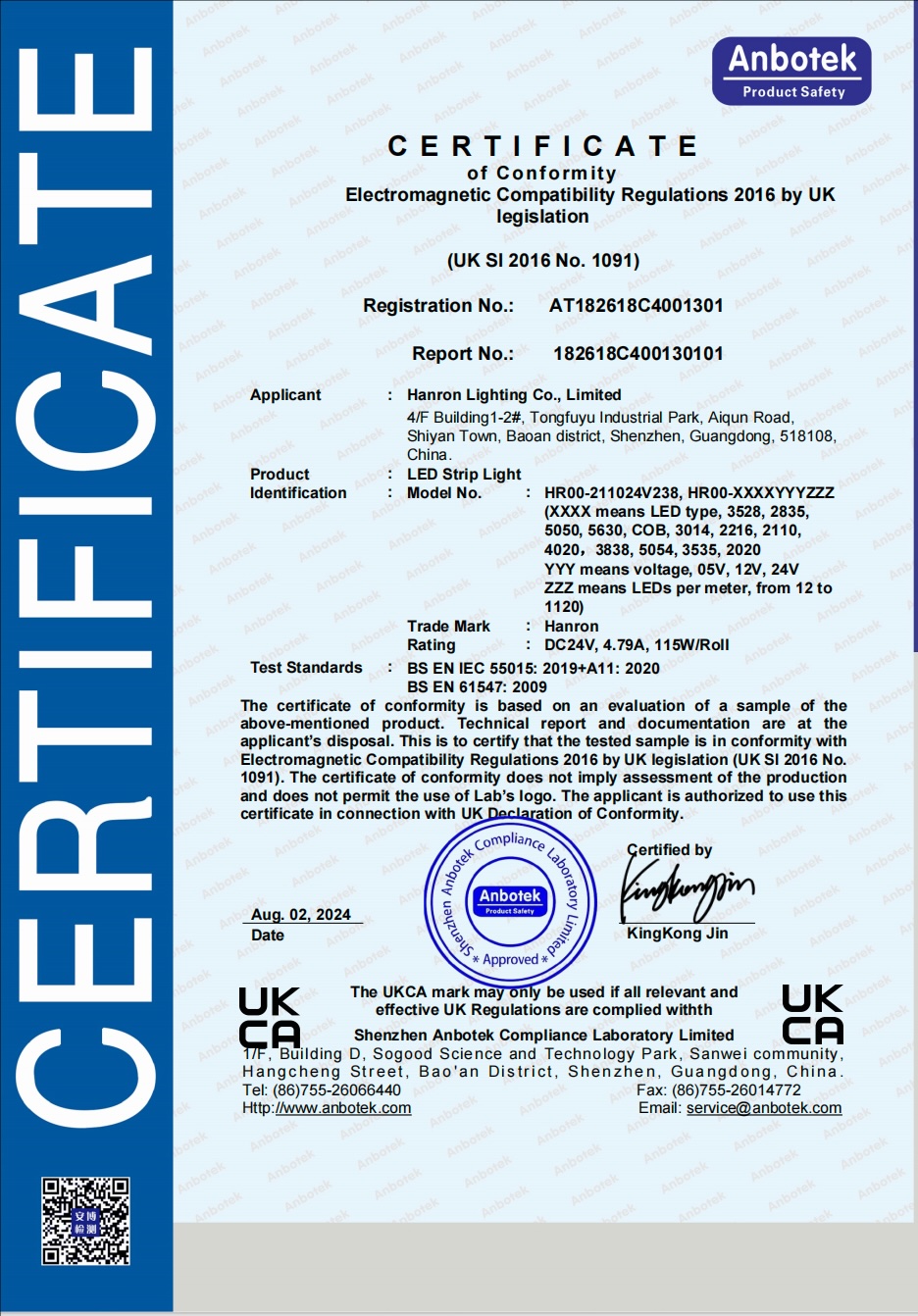
UKCA

IP68 Report
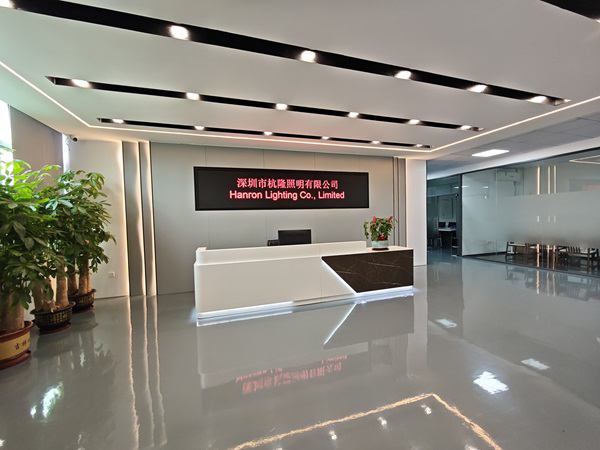
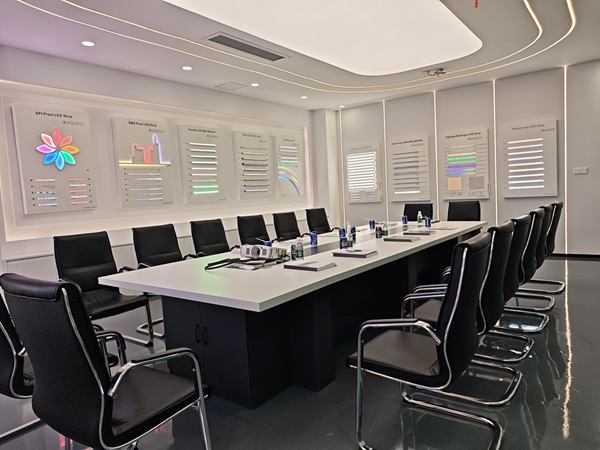
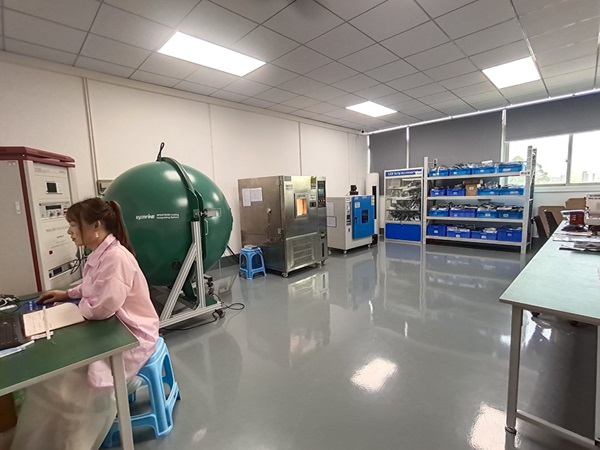
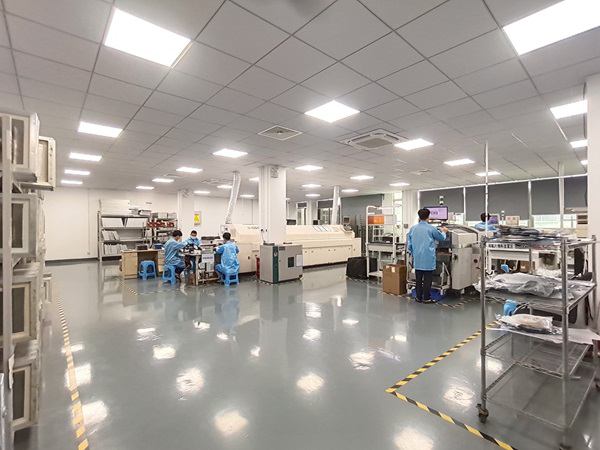
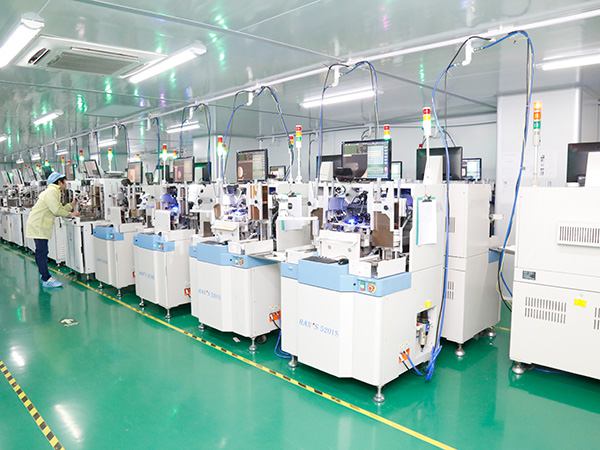
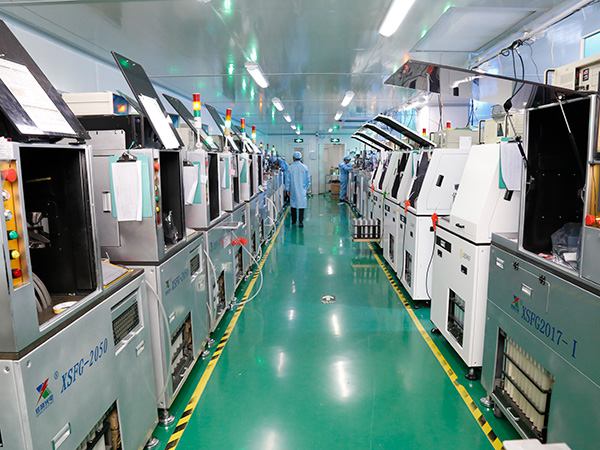
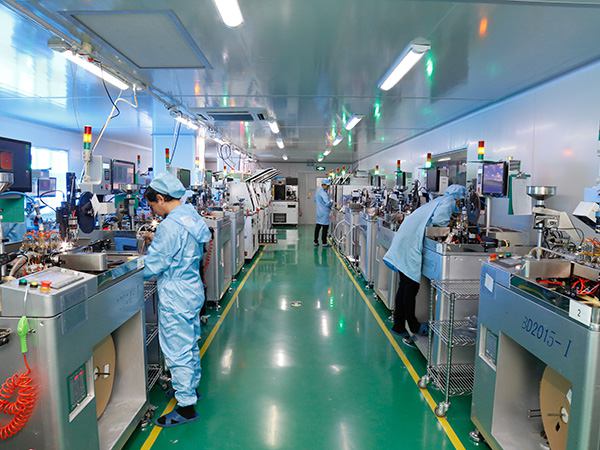
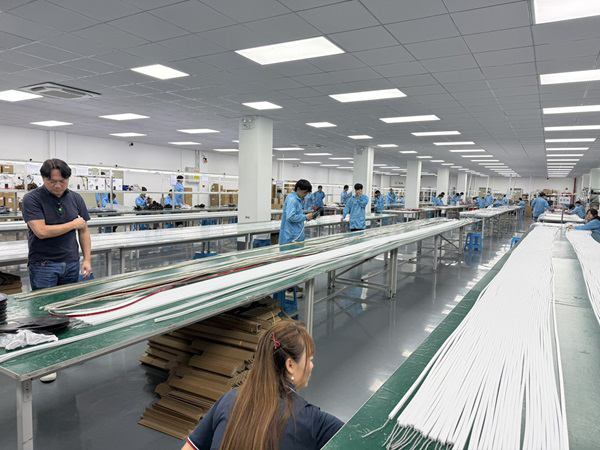
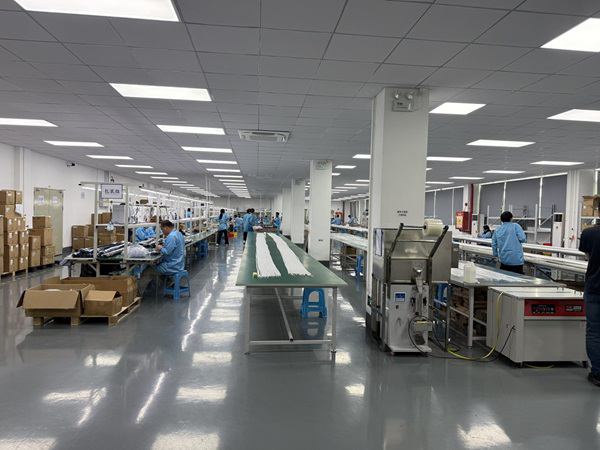
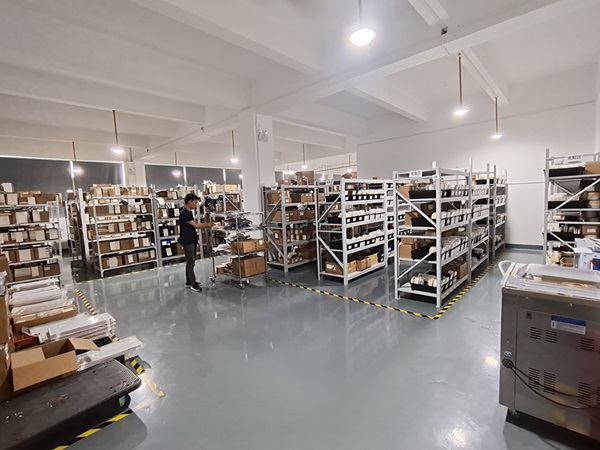
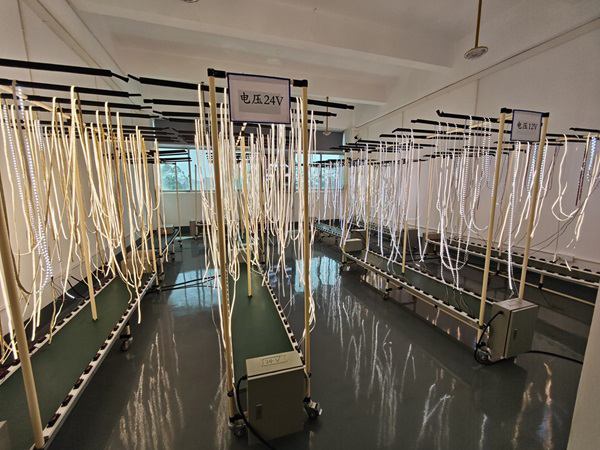
Factory Tour
100+ Employees to support your orders
Need an Instant Quote For Your Upcoming Projects?
Send us the details and we will get back to you within 12 hours.