
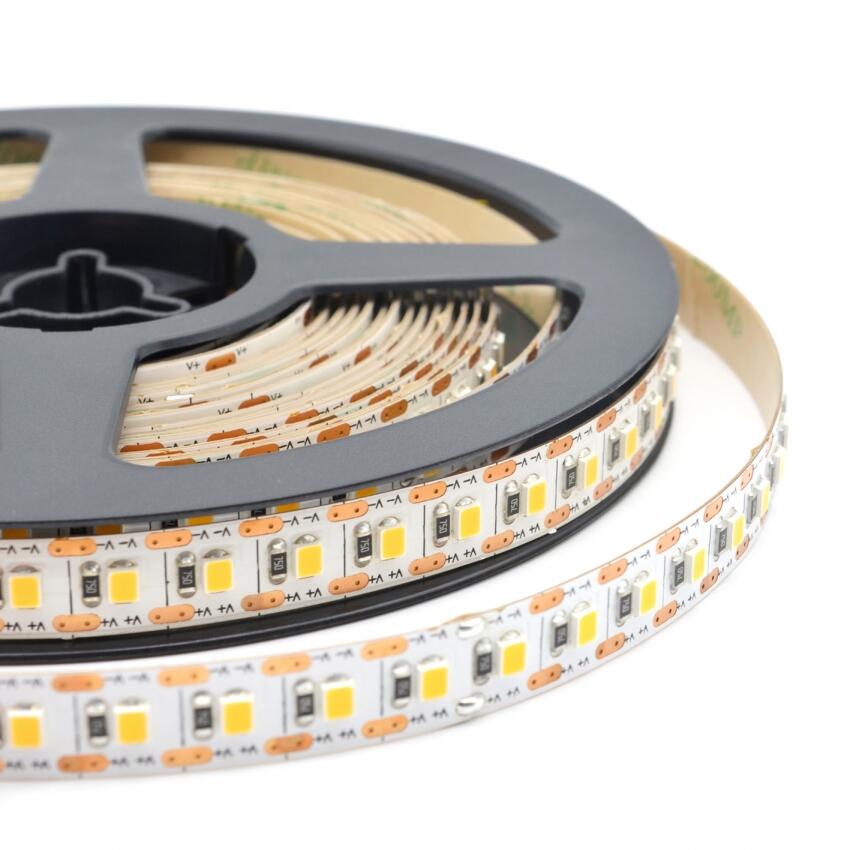
Short-Cut LED Strips
Short-cut LED strips use small cutting units to fit fixture lengths more precisely, helping reduce unused space at the ends of cabinets, shelves and display lighting. Our SMD range includes 1-LED and 2-LED cutting units, while free-cut COB options provide greater flexibility when trimming to length.
Hanron manufactures short-cut LED strips in China, with white, tunable white, RGB, RGBW and RGB+CCT options. We also customize PCB width, power, strip length and cable connections for lighting brands, fixture manufacturers and project suppliers.



- 1
Features of Short-Cut LED Strips
1. 1-LED or 2-LED cutting units for precise length adjustment, with free-cut COB options also available.
2. Short cutting intervals help reduce end gaps in aluminum profiles, neon tubes and custom fixtures.
3. White, tunable white, RGB, RGBW and RGB+CCT options for different lighting designs.
4. Single-bin LED selection for consistent color across strips.
5. IP20, IP65, IP66, IP67 and IP68 options, depending on the model.
6. 5V, 12V and 24V versions to match different power supply requirements.
7. Up to a 5-year warranty, depending on the model.
Accessories for Short-Cut LED Strips
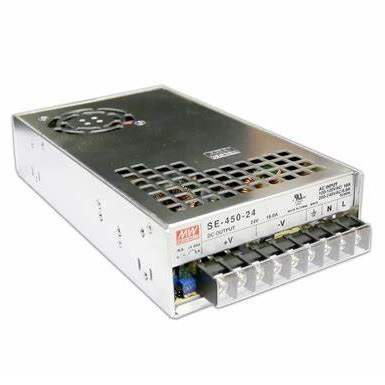
LED Power Supply
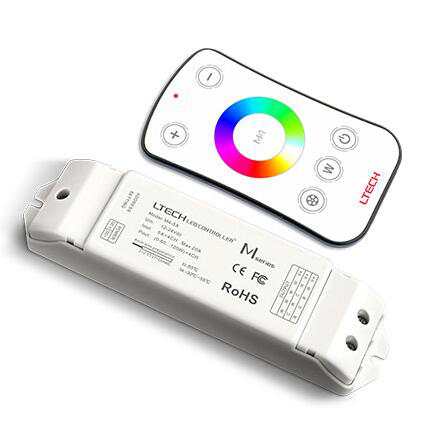
LED Controller
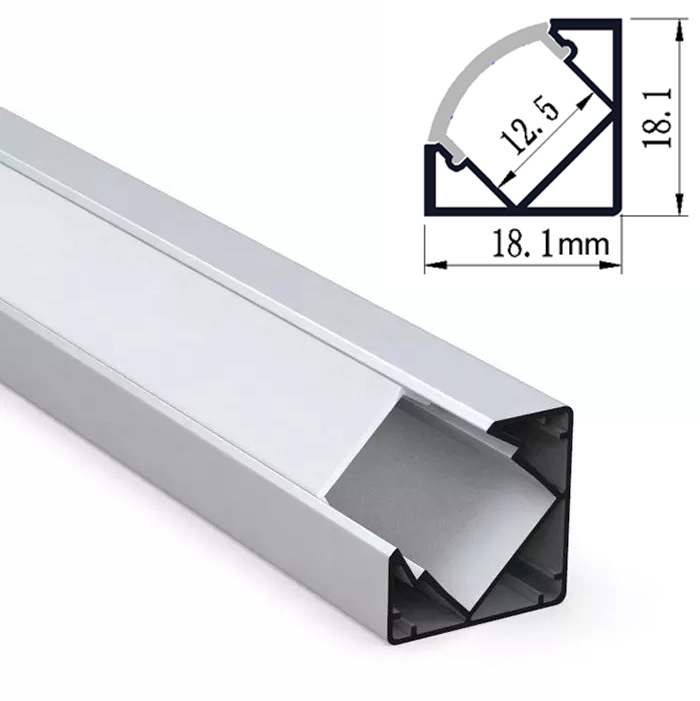
LED Aluminum Profile
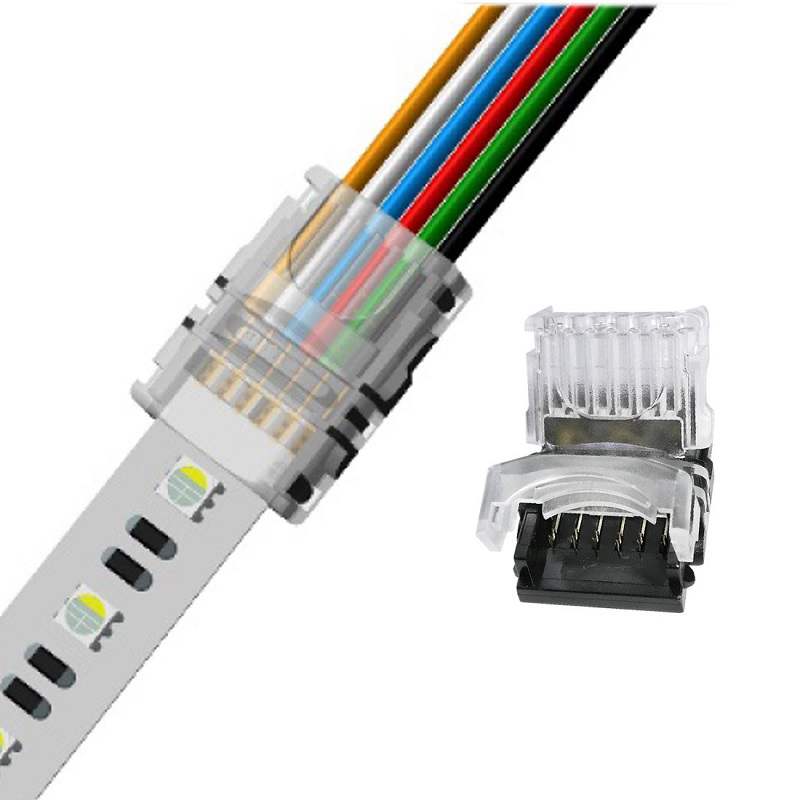
LED Connector
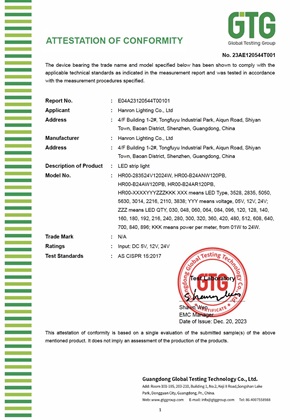
Hanron Brand Certificate
ETL/CE/RoHS/Reach/CB/BIS/LM80

ISO9001:2015

CB

ETL

BIS
RCM
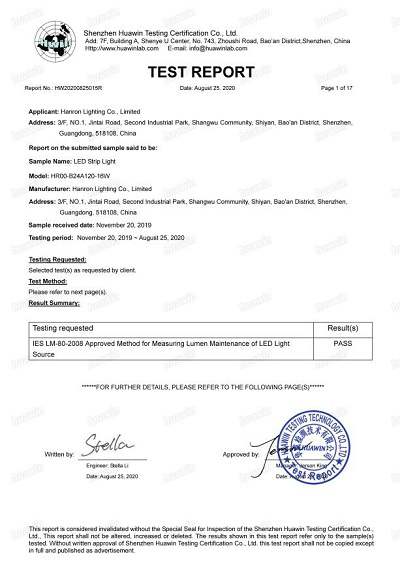
LM80 Test

CE EMC

CE LVD
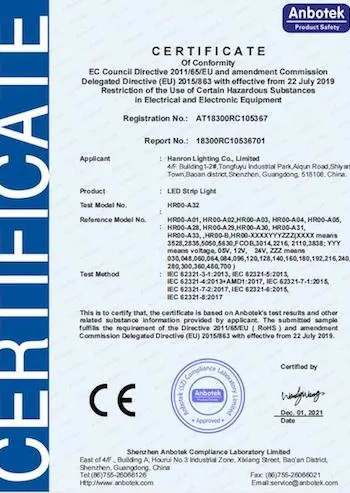
CE RoHS

CE Reach

IP66 Report

IP68 Report
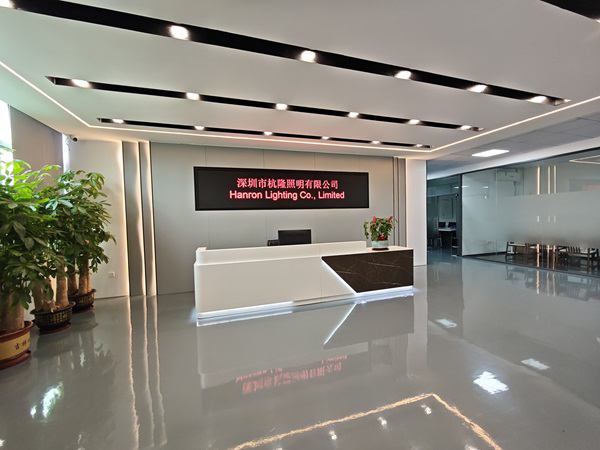
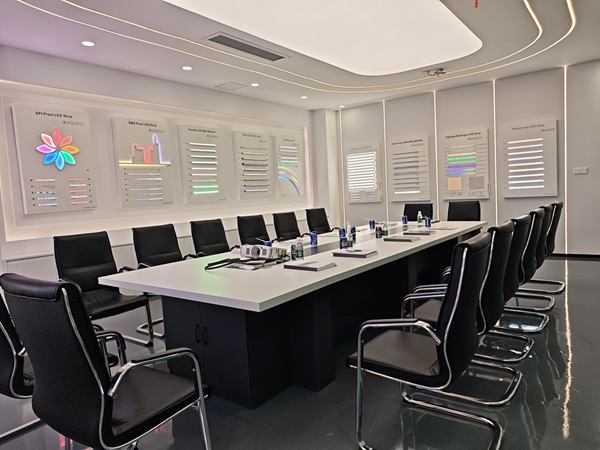
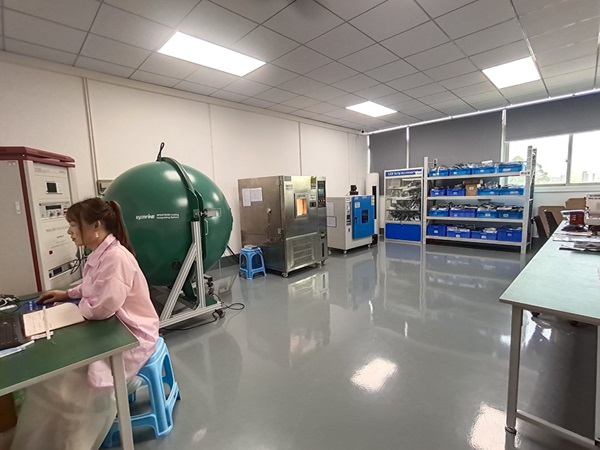
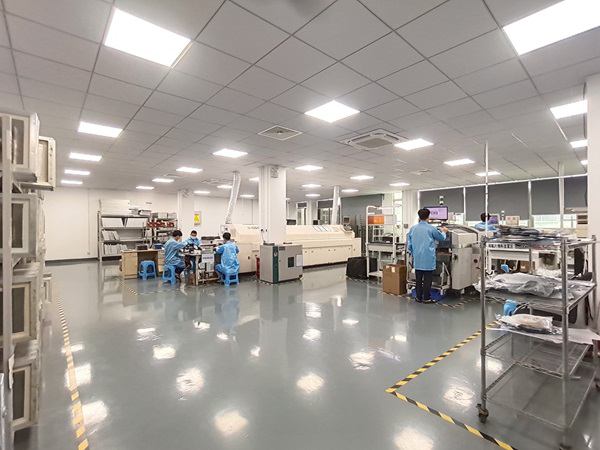
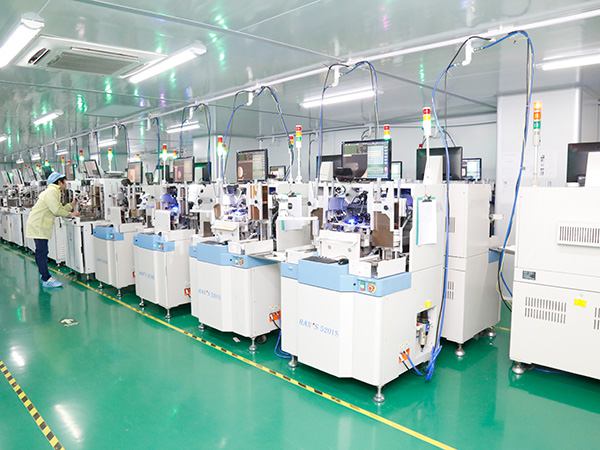
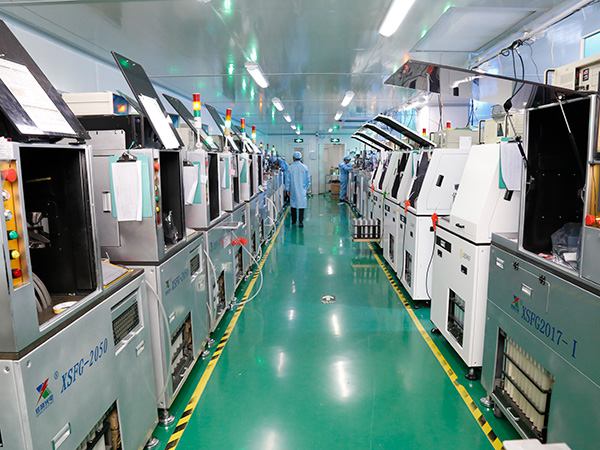
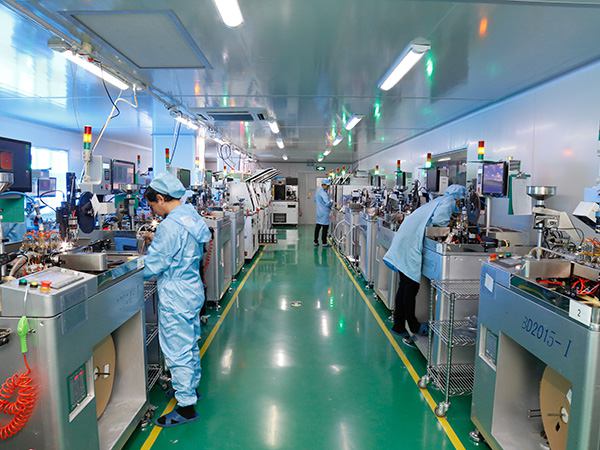
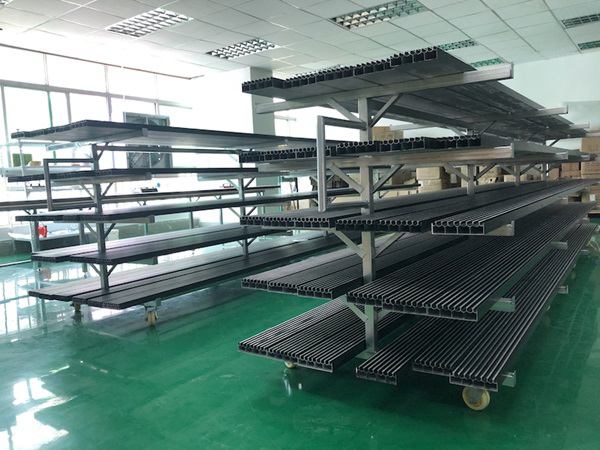
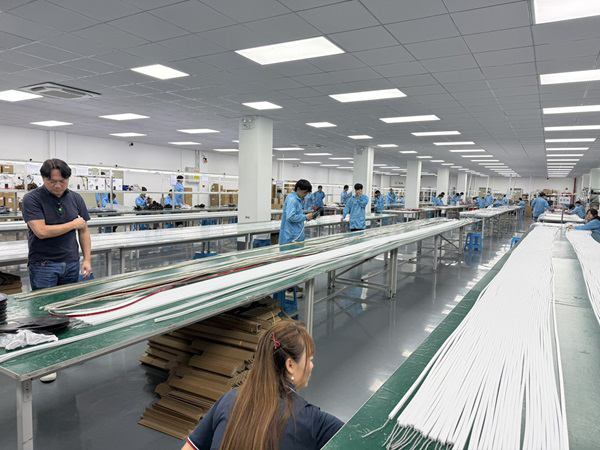
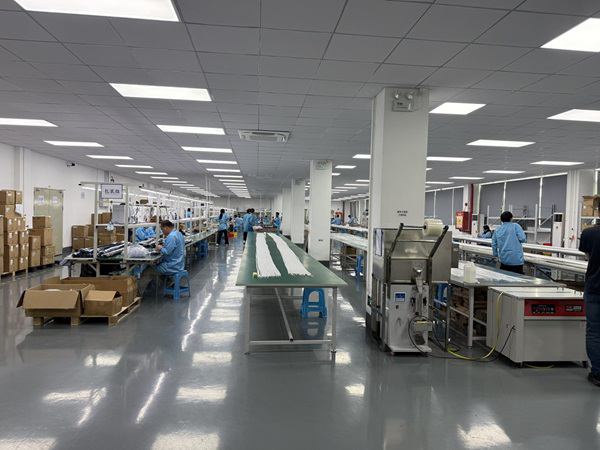
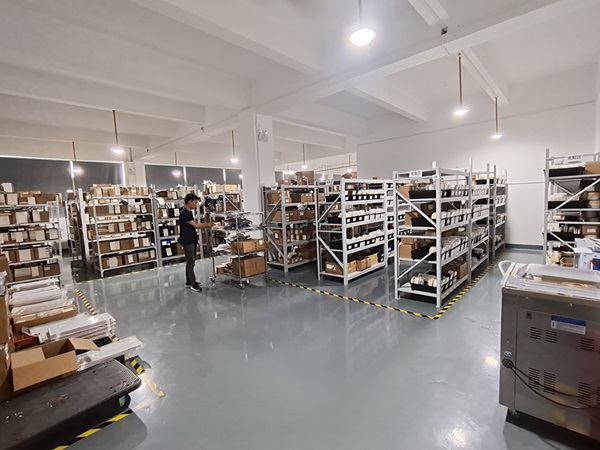
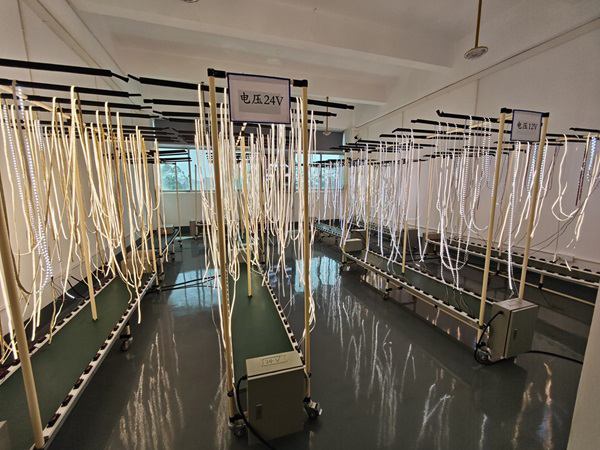
Factory Tour
100+ Employees to support your orders
FAQS
Short-cut LED strips have closely spaced cutting points. You can adjust their length in small increments, but you still need to follow the marked cutting positions.
Free-cut LED strips use a different circuit design that allows trimming without following a fixed cutting interval. Hanron offers free-cut COB models for this purpose. Cutting and reconnecting are separate considerations: even a free-cut strip needs a suitable connection point or a compatible connector.
No. “1 LED per cut” describes the smallest section you can physically cut from the strip. It does not mean that each LED can be controlled separately.
On a standard RGB strip, all LEDs connected to the same controller output change color together, even if the strip can be cut after every LED. For chasing patterns or independent pixel control, choose an addressable LED strip with a compatible controller.
Measure the usable space inside the fixture after allowing for end caps, connectors and cable routing. Then choose a cutting interval that gives you a strip length close to that measurement without exceeding it.
For example, with 480mm of usable space, a strip cut every 50mm can fit a 450mm section, leaving 30mm unused. A strip cut every 10mm can fit a 480mm section. This example illustrates why the cutting interval matters; the available intervals depend on the model.
For projects with many different fixture lengths, send us a cutting list so we can recommend a practical configuration.
Short cutting intervals help reduce end gaps by allowing the strip to extend closer to the fixture’s usable length. However, they do not automatically eliminate every dark area.
The final appearance also depends on the distance between the last LED and the cut edge, connector space, end-cap design and diffuser. For visible linear lighting, test the selected strip inside the actual profile. A free-cut COB model may offer a closer fit when fixed cutting intervals cannot match the required length.
Yes. Short-cut SMD sections can usually be reconnected by soldering wires to the designated pads or using connectors matched to the PCB width, pad layout and number of channels.
For free-cut COB strips, the connection method depends on the model. An arbitrary cut position may not expose a standard solder pad, so use the specified connection method or a compatible connector. Match polarity and channel markings, and reseal waterproof versions after cutting and connecting.
We can also supply pre-cut sections with cables already fitted.
Yes, provided the strip’s width, component height and power are suitable for the selected profile or tube. Aluminum profiles help with mounting and heat dissipation, while a suitable diffuser or neon tube can improve light mixing.
Short cutting intervals make it easier to match the internal installation length. However, fitting a strip inside a profile or tube does not change its cutting requirements. Short-cut models still need to be cut at their marked points.
For neon tubes, also check the permitted bending direction and thermal requirements.
Use a constant-voltage power supply that matches the strip’s rated voltage. Calculate the total load by multiplying watts per meter by the installed length, and leave approximately 20% of the power supply’s rated capacity unused.
For example, a 40W strip load requires at least 40W ÷ 0.8 = 50W of rated power supply capacity, before any additional derating required by the installation conditions.
Choose the controller according to the strip type: a dimmer for single-color strips, a two-channel controller for tunable white, three channels for RGB, four for RGBW and five for RGB+CCT. Check both the controller’s per-channel current rating and total load capacity.
Yes. Hanron can factory-cut strips to the required lengths permitted by the selected model and fit cables before delivery. This reduces on-site cutting and soldering, particularly for projects with many cabinets, shelves or identical fixtures.
We can customize cable length, connection direction, connector type and labeling to match your assembly process. Factory preparation adds processing cost but can save installation time.
Send us your required lengths, quantities, voltage, light color and cable specifications for a quotation.
Contact us!