
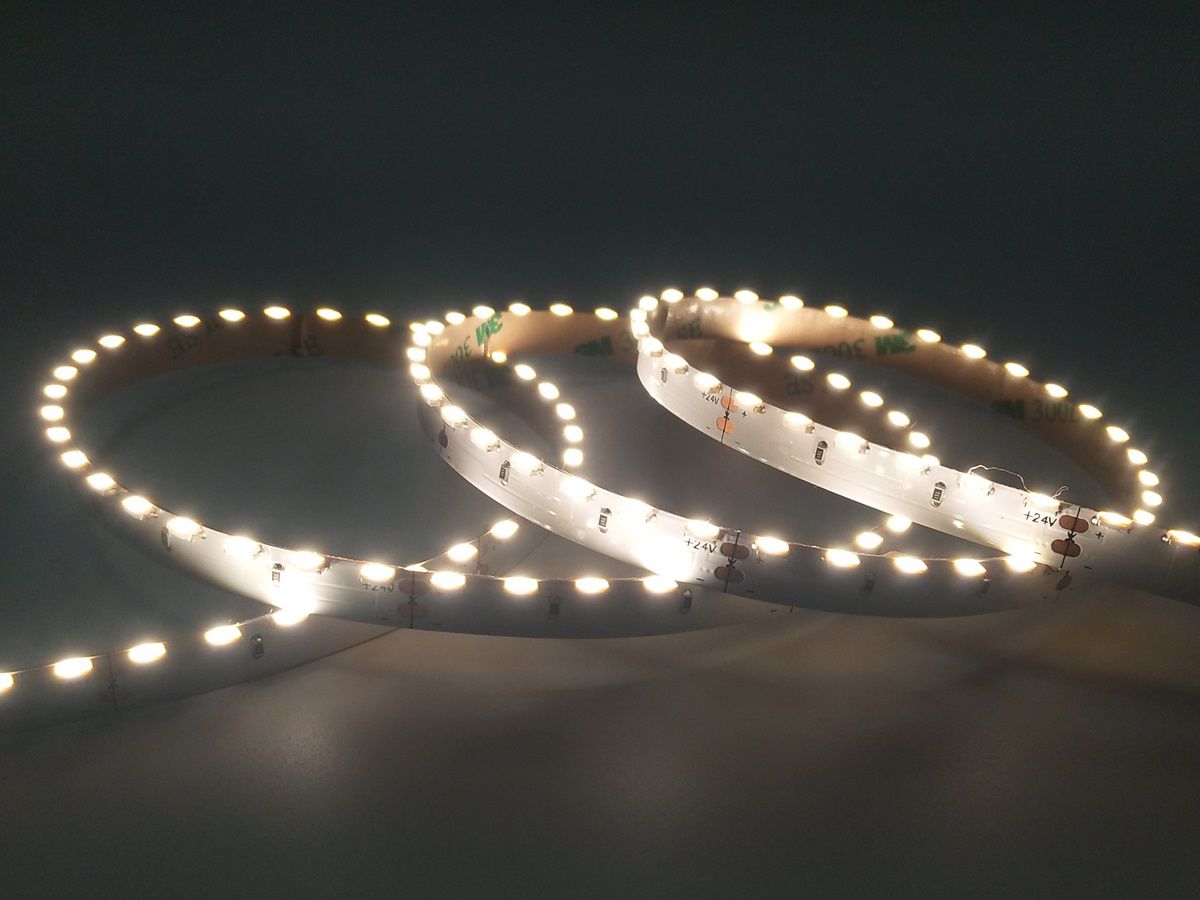
Side Emitting LED Strip
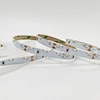
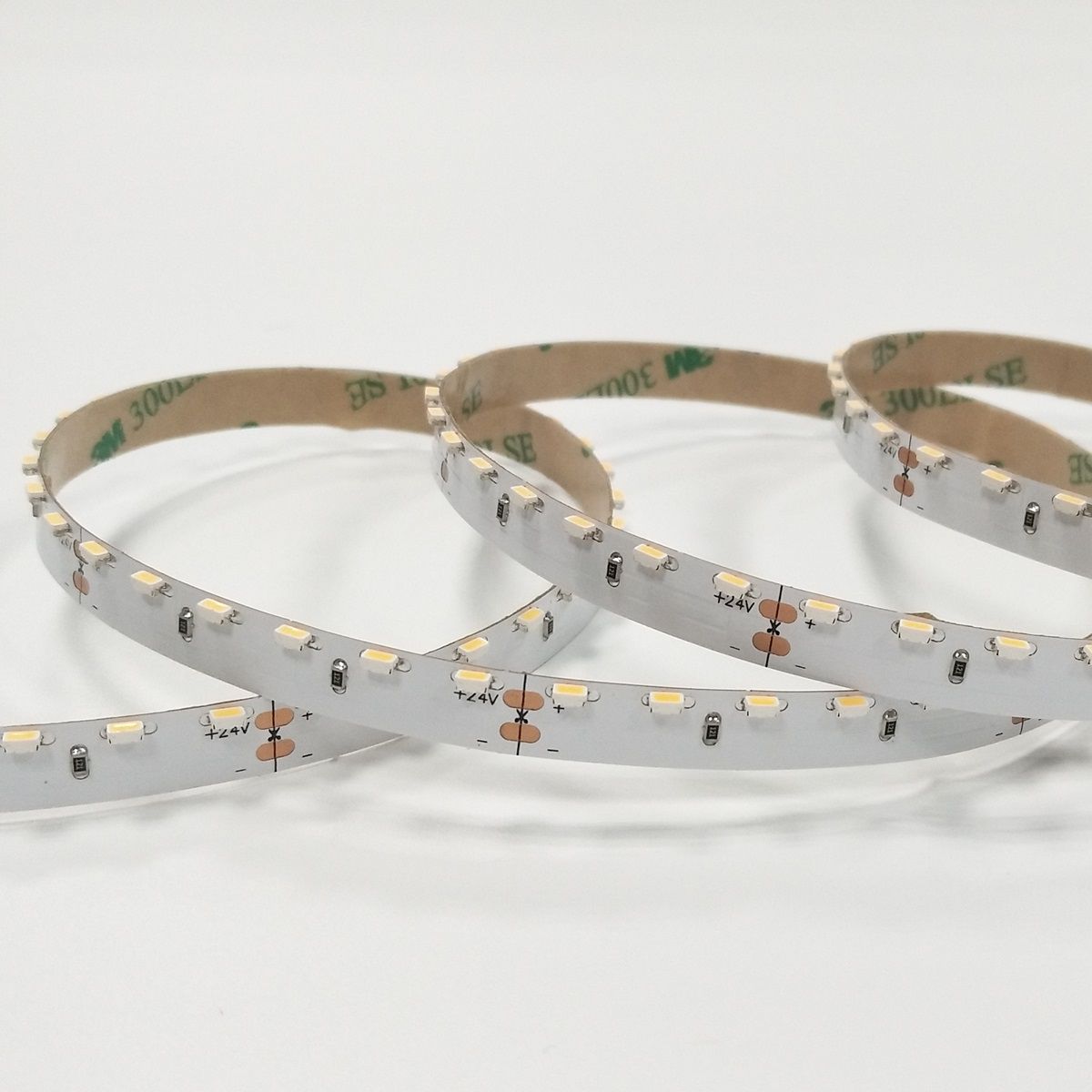
Side-emitting LED strips, also known as side-view LED strips, direct light sideways along the PCB plane rather than upward from its surface. They are useful for shelf edges, display details and narrow recesses where the mounting position requires light to shine sideways.
Hanron manufactures SMD and COB side-emitting LED strips in China, with white, RGB and addressable RGB options. We support OEM/ODM customization to match your fixture design, lighting requirements and installation dimensions.


- 1
Features of Side Emitting LED Strip
Sideways Light Output
Light is directed from the side of the strip rather than from the top, making it easier to illuminate shelf edges, display details and narrow recesses where standard top-emitting strips may not suit the mounting position.
Flexible, Compact Design
The slim, flexible PCB fits into tight installation spaces and follows curves within the model’s permitted bending direction. Cuttable sections allow the strip to be sized for cabinets, fixtures and custom lighting details.
White, RGB & Addressable Options
Choose white for everyday accent lighting, RGB for coordinated color changes, or addressable RGB for chasing effects and animated patterns. SMD and COB models offer different light appearances to suit your design.
Customize Your Side-Emitting LED Strip
Bring your design to life with support from our 10 lighting engineers

LED Brand & Brightness
Specify your preferred LED brand, such as Cree or Osram, and your target brightness. We can match suitable side-emitting LEDs to your design and adjust the light output to your requirements.

CRI & Light Color
Choose white light from 1800K to 6500K, with CRI options of 80, 90, 95 or 97, depending on the LED selected. Single colors, including red, green and blue, are also available.

LED Density & Layout
Customize the number of LEDs per meter and the row layout to achieve the spacing and coverage your design needs. Single-row and multi-row configurations can be developed to suit your installation.
Your Logo
Add your logo to product labels with no minimum order quantity for label customization. For branding printed directly on the PCB, the minimum order is 500 meters.

Waterproof Protection
Choose a waterproof construction suited to your installation environment. We can adapt the strip’s protection for indoor use, outdoor exposure or applications requiring a higher level of moisture protection.

Voltage & Power
We can design for a fixed voltage, such as 12V or 24V, or a specified operating range, such as 20–28V. Power per meter can also be tailored to your brightness and thermal requirements.
Strip & Cable Length
Order strips and cables in lengths matched to your fixtures or project dimensions. Factory cutting and pre-attached cables help reduce on-site preparation and simplify installation.

PCB Color
White, black and yellow PCBs are available to coordinate with your fixture or installation surface. Custom PCB colors are available with a minimum order of 3,000 meters.
FAQS
Choose a side-emitting strip when the mounting surface runs alongside the area you want to illuminate. It directs light sideways along the PCB plane, making it useful for narrow slots, shelf edges, display details and indicator housings.
Choose a top-emitting strip when the illuminated surface faces the top of the PCB. The right choice depends on the mounting position and required light direction, rather than one type always being brighter or softer.
Choose a non-waterproof version for dry indoor installations where the strip is protected inside a fixture or housing. This usually offers the smallest dimensions and easiest access to solder pads.
For exposure to rain or splashing, choose an IP66 or higher-rated version suitable for the installation. For immersion, select an IP68 construction with a confirmed depth and duration rating.
Waterproofing can change the strip’s dimensions and light output, so check the finished waterproof version against your mounting space. Cut ends and connections must also be sealed.
They can follow curves within the model’s permitted bending direction and minimum bend radius. “Side-emitting” describes the light direction; it does not mean the PCB can bend sideways in any direction.
For a sharp corner, use separate sections joined by wires instead of creasing the PCB. If your design follows a curved outline on a flat surface, share the layout with us so we can check whether a standard strip or a custom PCB is suitable.
For evenly spaced, single-row SMD strips, these densities correspond to approximately 16.7mm, 8.3mm and 6.4mm between LEDs.
60 LEDs/m: Choose this when visible light points are acceptable or there is enough distance for the light to blend before reaching the illuminated surface.
120 LEDs/m: A good starting point for shelf edges, display outlines and decorative lighting that needs closer LED spacing.
156 LEDs/m: Choose this for tighter spacing in shallow installations where individual dots are more noticeable. For a continuous light line at very close range, also consider COB.
LED density alone does not determine brightness. Compare watts per meter and measured light output, and test the strip at the intended installation distance.
SMD strips use separate LED packages, so individual light points may be visible. They are a practical choice for concealed edge lighting, discrete indicators or installations with enough space for the light to blend.
COB strips place densely packed chips beneath a continuous phosphor or encapsulation layer, producing a more continuous light line. Choose COB for shallow recesses, close viewing distances or decorative details where visible dots would be distracting.
Compare the actual power, light output and dimensions of each model. COB is not automatically brighter, and SMD is not automatically more efficient.
They are different products, although both can achieve a similar side-lighting effect. “Side-emitting” describes the strip’s light direction, while “side-bend” describes the neon flex’s bending direction. In projects with flexible requirements for brightness, dimensions and appearance, either may work.
Side-emitting LED strips generally offer higher light output for the same power and a slimmer profile. Choose them when installation space is limited or stronger illumination is needed.
Side-bend LED neon flex provides a smooth, dot-free light line and a more refined finish for visible installations. However, its diffusing silicone housing reduces light output, so it is better suited to decorative outlines than applications requiring higher illuminance.
Side emitting LED strips typically operate on low voltage, either 12V or 24V DC. This low voltage is a significant advantage as it reduces the risk of electrical hazards and allows for easier installation, often without the need for specialized electrical knowledge. It also makes them compatible with standard LED drivers and power supplies, enhancing their usability.
Yes, many side emitting LED strips are compatible with dimmer switches. To use a dimmer, ensure it is specifically designed for LED lighting, as standard dimmers may not work correctly and can lead to flickering or reduced lifespan. Dimming capabilities allow for greater flexibility in creating different moods and atmospheres, making it easier to adjust lighting according to time of day or occasion.
Side emitting strips are available in a broad range of colors, including static colors like warm white, cool white, and RGB (Red, Green, Blue) options. RGB strips allow you to mix colors and create various effects, such as color cycling or fading. This versatility is beneficial for events or holiday decorations, where dynamic lighting can enhance the overall aesthetic.
Yes, as long as they are rated for automotive use. It’s essential to use appropriate power supplies and ensure that the installation does not interfere with any vehicle components. This application can add stylish lighting effects to the interior of cars, enhancing aesthetics and functionality.
Check four dimensions: PCB width, total component height, emitting-edge position and cutting interval.
The PCB must fit inside the slot, and the LEDs must sit where the housing will not block their sideways output. For a short lighting section, choose a cutting interval that fits the available length. For example, a model with a 50mm cutting interval cannot be cut into a working 30mm section.
Send us a cross-section drawing and the required illuminated length so we can recommend a suitable model.
For direct connection, choose a strip designed to handle the vehicle’s voltage variations. A standard fixed-voltage 12V strip may change in brightness as the supply voltage fluctuates.
We offer a 9–14V wide-input, constant-current design that keeps the LED current stable throughout this voltage range, maintaining consistent brightness for car interior lighting and indicators. If your vehicle’s supply falls outside 9–14V, contact us for a design matched to the required range.
Accessories for Side Emitting LED Strip
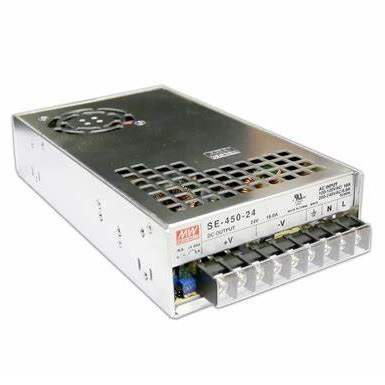
Match the power supply to your strip’s rated voltage and total wattage, with capacity reserved for reliable operation. Hanron offers Mean Well power supplies from 35W to 1500W, with waterproof and non-waterproof options for different installation environments. See more detail!
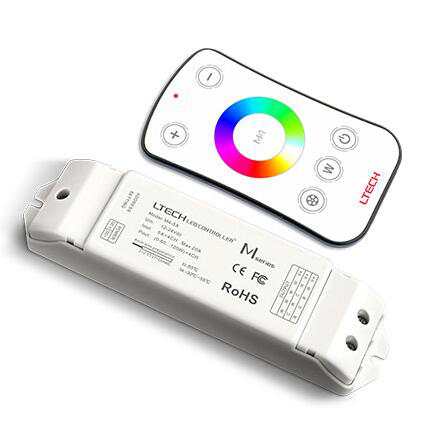
Choose a dimmer for white or single-color strips, an RGB controller for standard RGB models, or a compatible pixel controller for addressable strips. RF remote, wall-panel and smart control options are available, depending on the model and control system. See more detail!
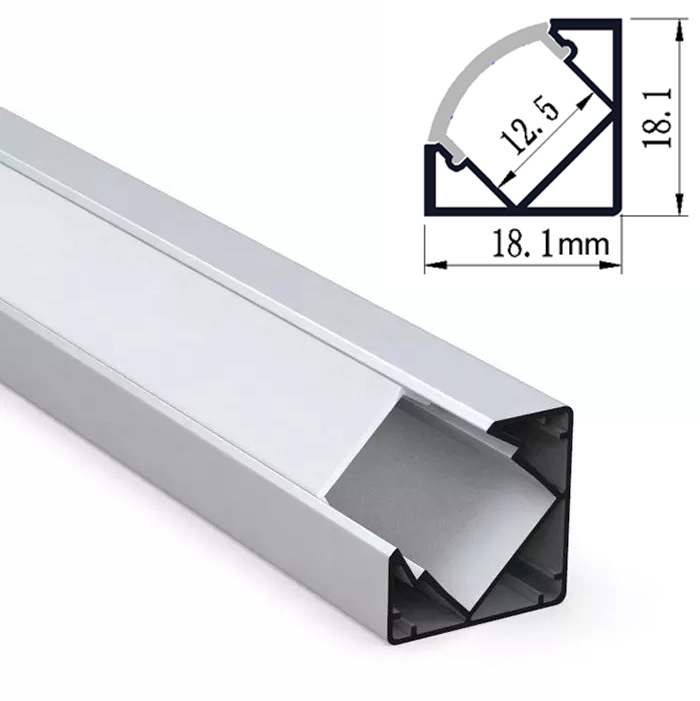
An aluminum profile supports neat mounting and helps dissipate heat. For side-emitting strips, choose a profile that fits the PCB and leaves the emitting edge unobstructed. Share your installation drawing so we can help check the profile’s fit and light direction.See more detail!
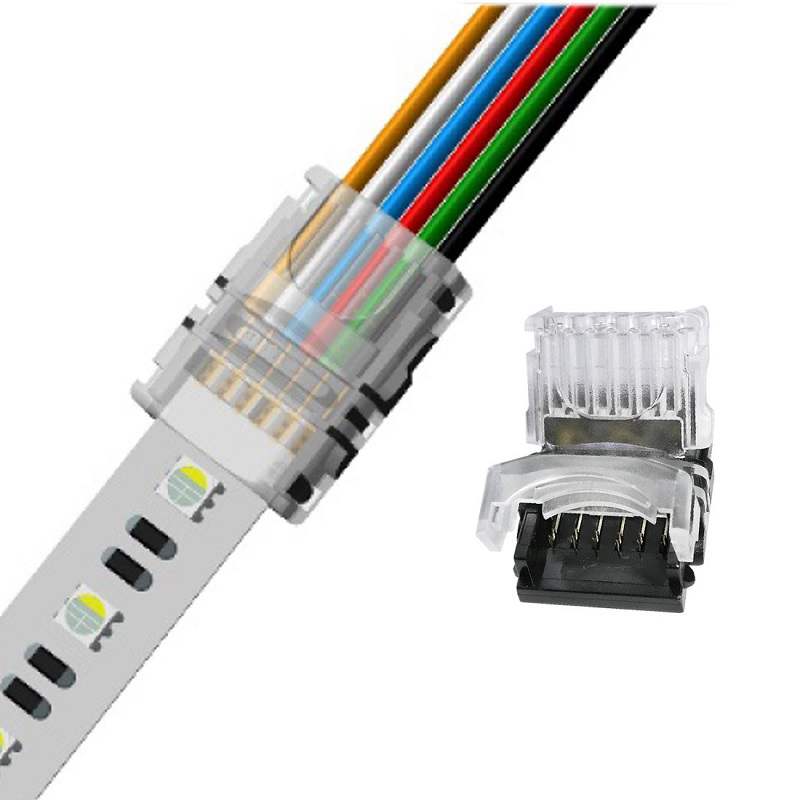
Select connectors that match your strip’s PCB width, pad spacing, pin count and current requirements. The connector must also clear the side-emitting LEDs without blocking their light. Send us the strip model so we can confirm a suitable connection option. See more detail!
Hanron Brand Certificate
ETL/CE/RoHS/Reach/CB/BIS/LM80/RCM

ISO9001:2015

CB

ETL

BIS
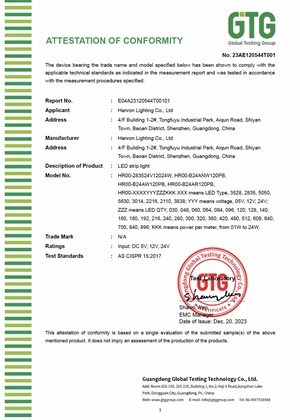
RCM
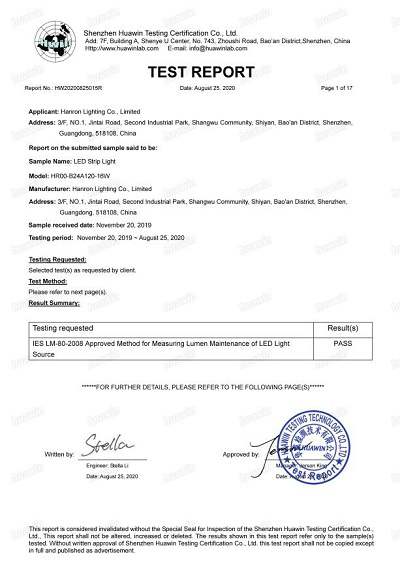
LM80 Test

CE EMC

CE LVD
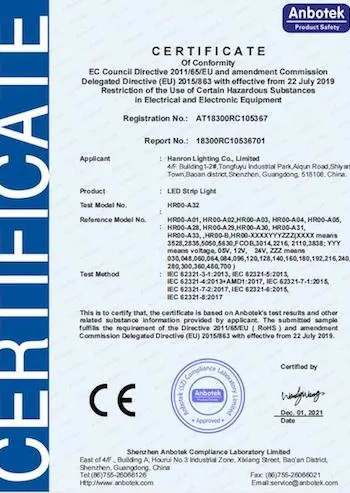
CE RoHS

CE Reach
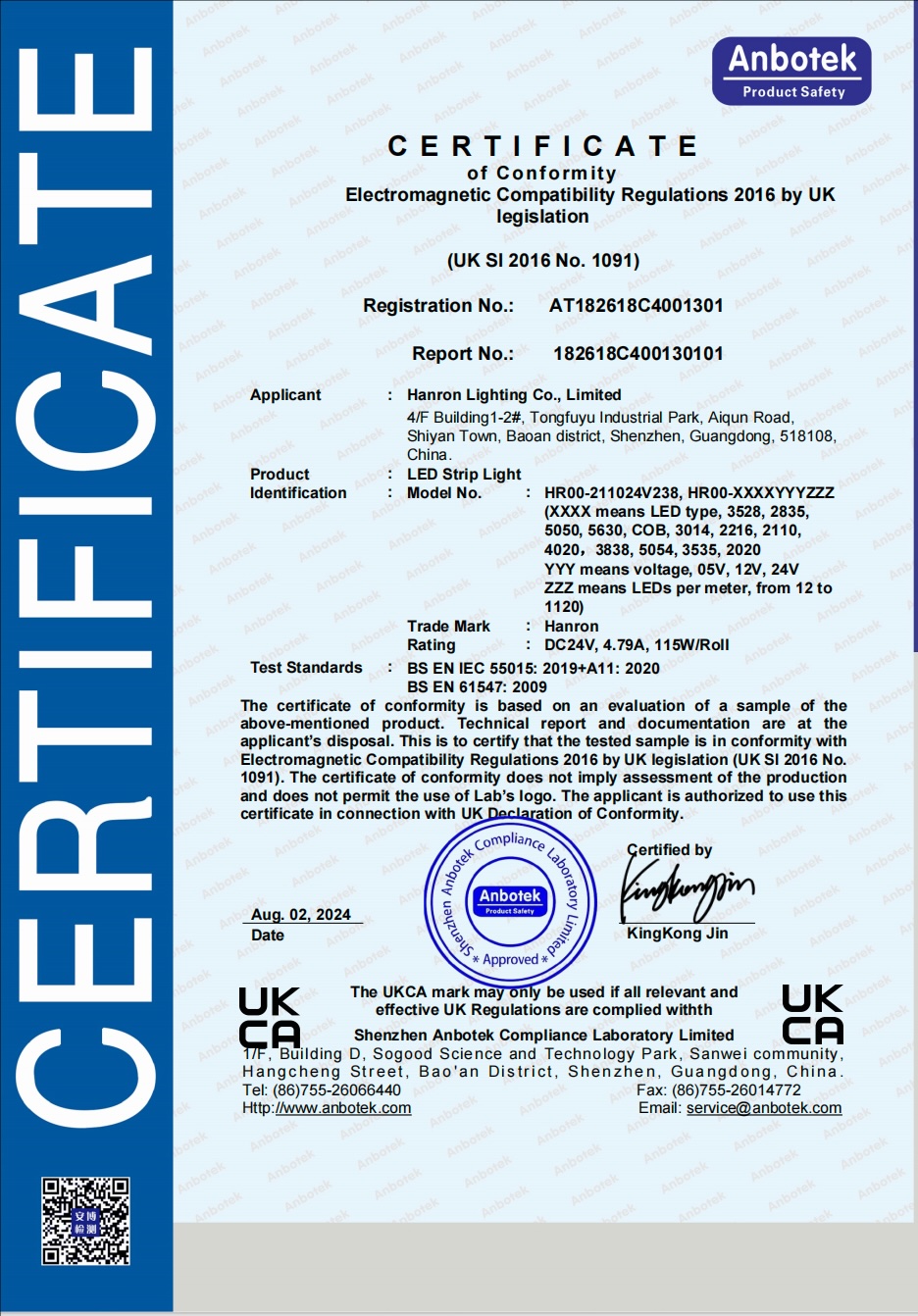
UKCA

IP68 Report
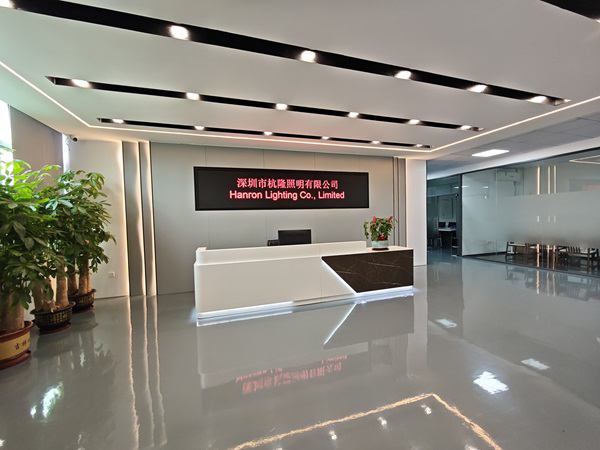
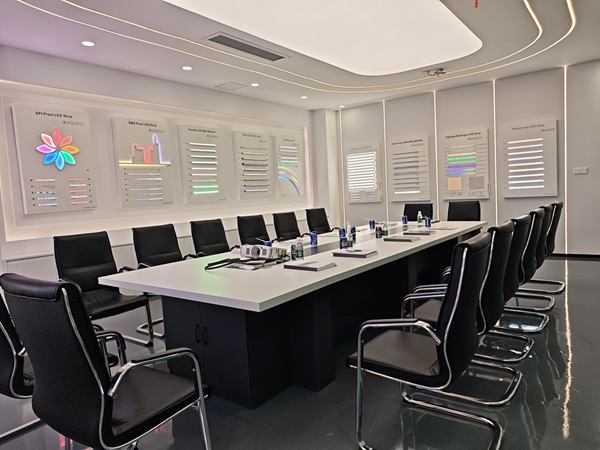
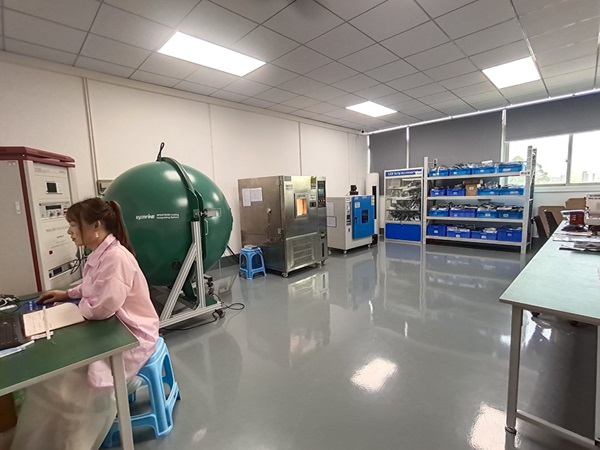
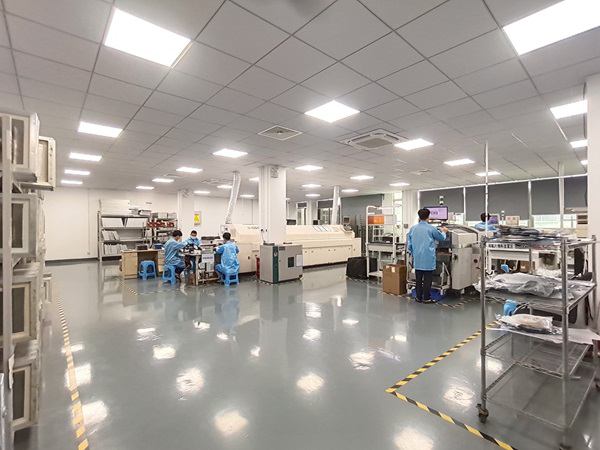
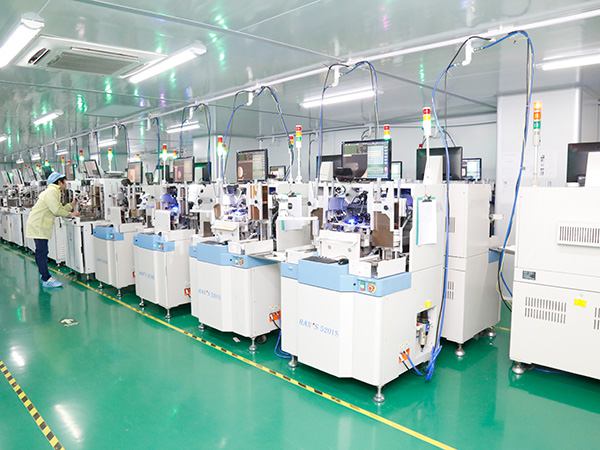
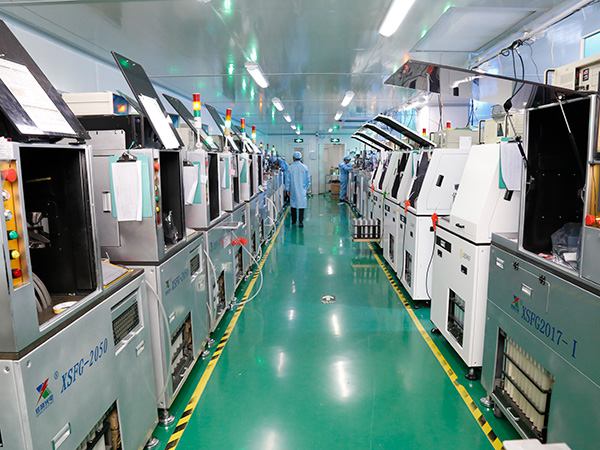
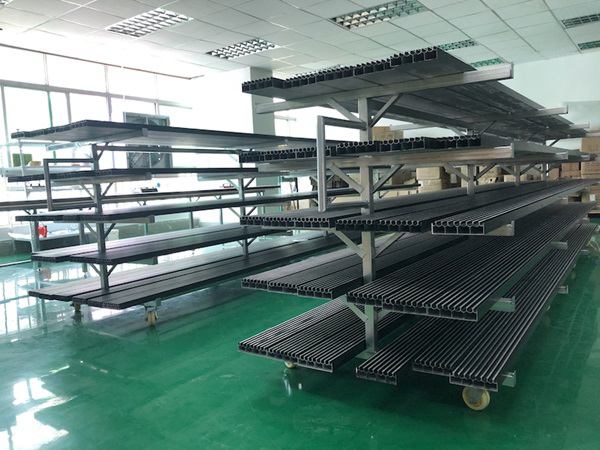
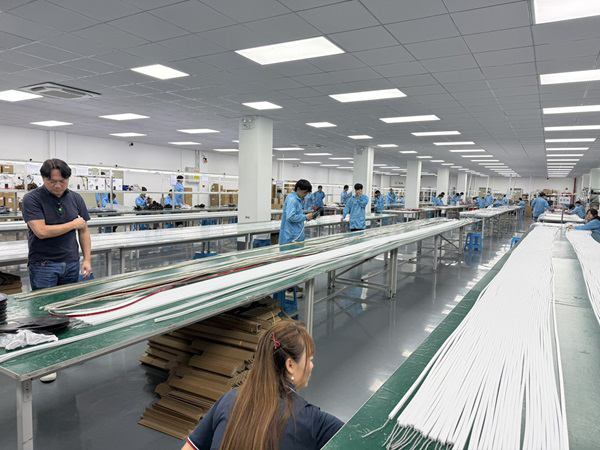
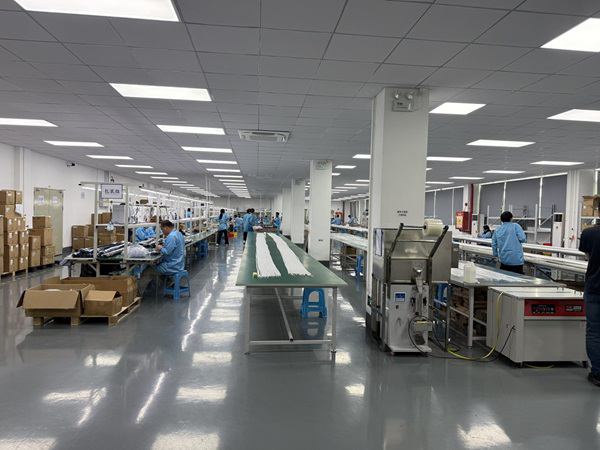
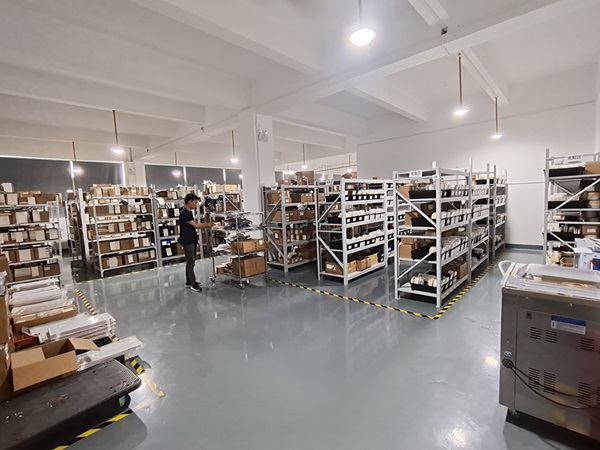
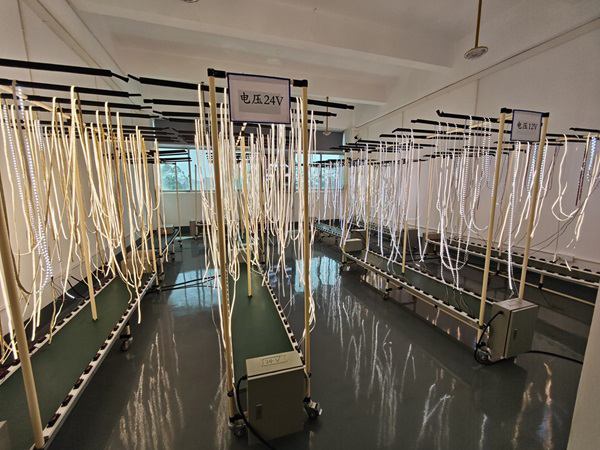
Factory Tour
100+ Employees to support your orders

Need an Instant Quote For Your Upcoming Projects?
Send us the details and we will get back to you within 12 hours.