
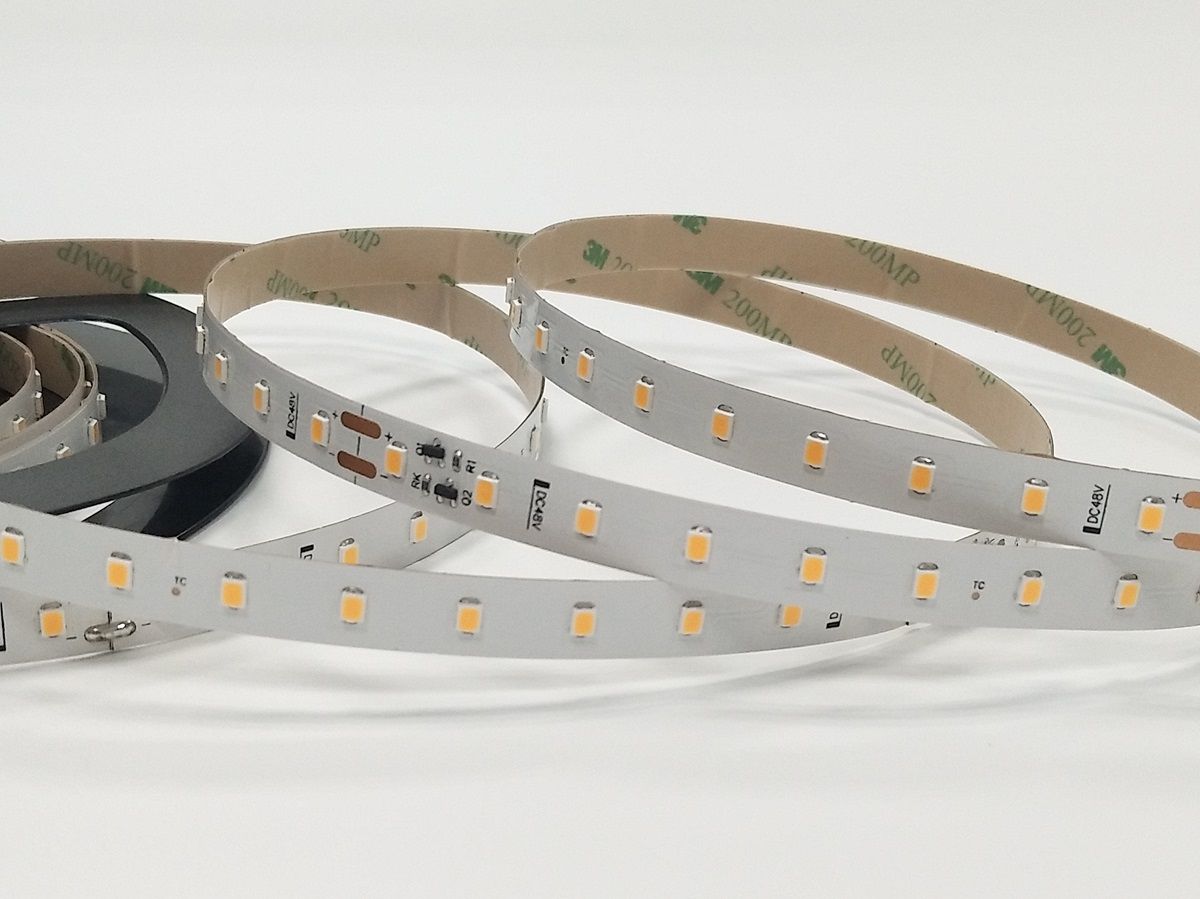
Ultra-Long LED Strip Lights
Ultra-long LED strips are designed for extended lighting runs with fewer power feed points, making installation easier for ceiling coves, corridors and large commercial spaces. Selected 48V models support up to 50m from a single-end power feed, helping maintain consistent brightness along the run.
Hanron manufactures ultra-long LED strips in China, with 24V, 36V and 48V models available in white, tunable white, RGB, RGBW and RGB+CCT. We customise strip lengths, cables and waterproof options to suit your project, with model selection based on your required run length and brightness.


- 1
- 2
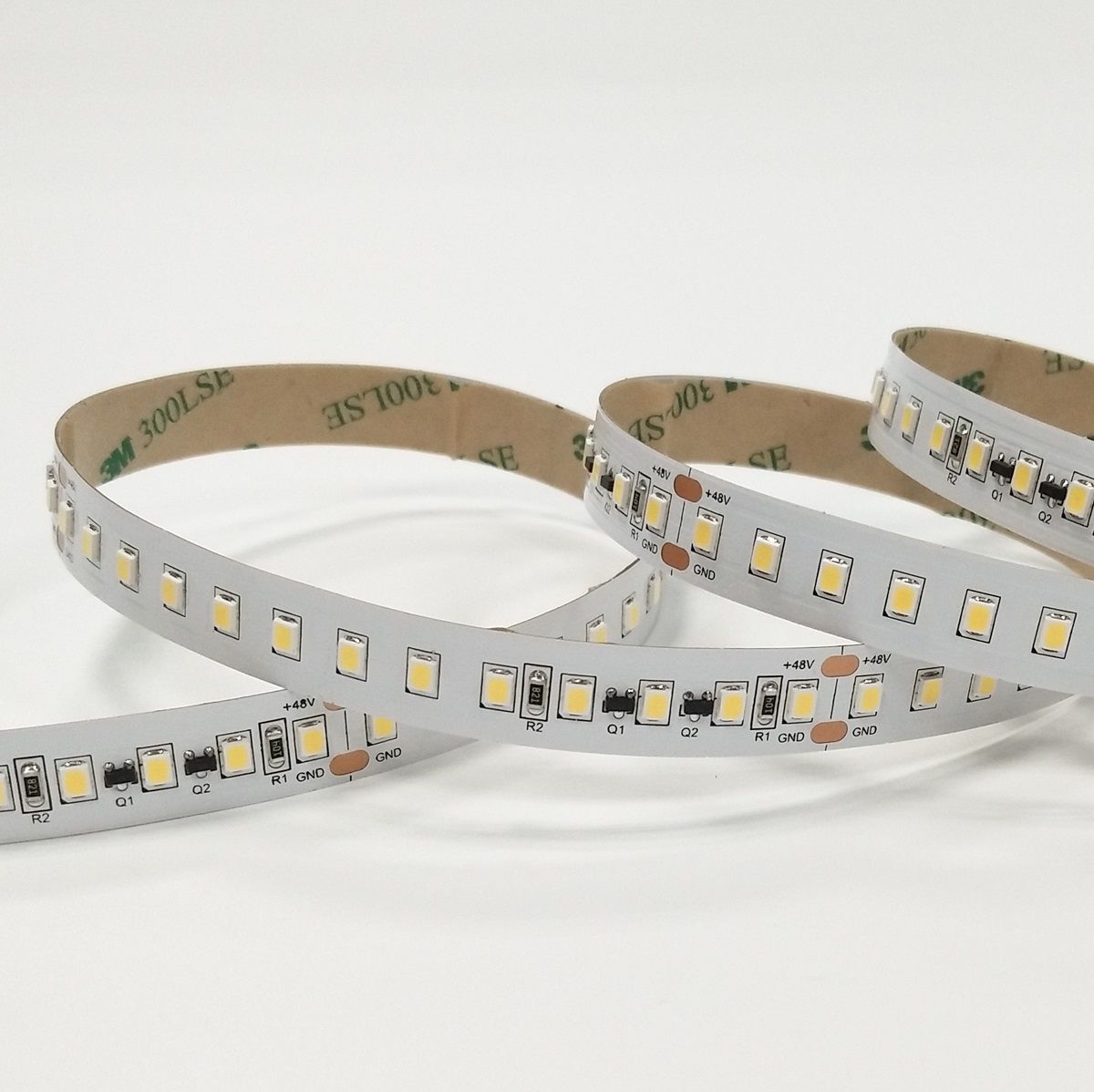
Features of Ultra-Long LED Strips
Longer Runs, Less Wiring
Selected 48V models support runs of up to 50m from one end, reducing intermediate power feeds and cable connections. This simplifies installation in long ceiling coves, corridors and large commercial spaces.
Consistent Brightness
Designed to limit visible brightness differences along extended runs, these strips help create evenly lit spaces. Choose the right model for your required length and power, and follow its recommended wiring arrangement.
White & Color Options
Choose from white, tunable white, RGB, RGBW and RGB+CCT. From steady architectural lighting to adjustable white light and color-changing effects, the range supports different project needs.
Customize Your Ultra-Long LED Strips
10 Professional engineers are here to serve you

LED Brand & Brightness
Specify LED brands such as Cree or Osram, or tell us your target brightness. We can tailor LED selection and output to suit your project.
CRI & Light Color
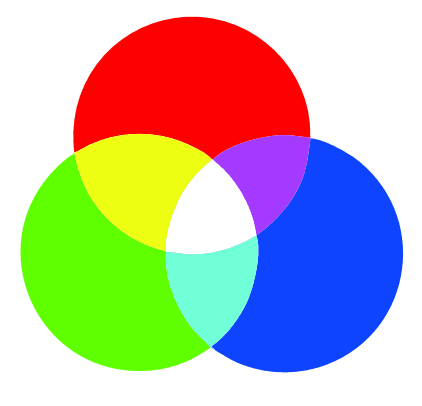
Choose CRI 80/90/95/97 and white color temperatures from 1800K to 6500K. Single colors, tunable white, RGB, RGBW and RGB+CCT configurations are also available.

LED Density & Layout
Customize LED density, row count and PCB width to suit your lighting design. Our engineers balance light output, power and run length within your available installation space.
Your Brand & Logo
Add your logo to product labels with no minimum order quantity for label printing. PCB logo printing is available from 500 metres, with branded packaging also available.

Waterproof Protection
Choose a waterproof construction suited to your installation. We can customize strip protection, sealed cable exits and connectors for indoor, outdoor or wet-location projects.

Voltage & Power
Choose 24V, 36V or 48V designs, with power tailored to your brightness and run-length requirements. Our engineers can also assess custom voltage specifications for OEM projects.
Strip & Cable Length
Order strips cut to your project lengths, with cables prepared to your preferred length and connection positions. Factory cutting and soldering help reduce on-site installation work.

PCB Color
Choose white, black or yellow PCBs to match your fixture or installation. Other PCB colors can be customized with a minimum order quantity of 3,000 metres.
FAQS
Ultra-long LED strips are ideal for a variety of applications including architectural lighting, where they can outline buildings; event decoration, providing continuous lighting for parties and gatherings; and signage, illuminating letters and displays for visibility. They are also used in retail environments to enhance product displays and create an inviting atmosphere.
Not necessarily. Reel length is the amount of LED strip supplied on one reel. Maximum run length is the longest continuous section that can operate within the model’s specified performance limits under a defined wiring arrangement.
For example, a 50m reel does not automatically mean that all 50 metres can be powered from one end. That requires a model specifically designed for a 50m single-end run. Always check the rated run length and connection diagram when planning your installation.
Start with your required run length, light colour and brightness, then select a model that meets those requirements.
24V: A practical choice when you want to use existing 24V power supplies and controllers, provided the selected strip supports your required length.
36V: Consider this for models such as our 30m colour-changing and tunable white strips. Both the power supply and controller must support 36V operation.
48V: Consider this for the longest runs, including selected 50m white-light models.
At the same total power, a higher voltage means lower current. For example, a 240W load draws 10A at 24V or 5A at 48V. This can help reduce voltage loss in supply cables, but the strip’s rated run length still depends on its complete design.
Flickering can indicate several issues, such as an inadequate power supply, poor connections, or faulty LEDs. First, check the power supply to ensure it meets the required voltage and current. Then inspect all connections and wires for any signs of wear or damage. If flickering persists, consider testing individual sections to isolate the problem.
Selected 48V ultra-long LED strips can run up to 50 metres from a single-end power feed. The maximum length depends on the specific model, including its power consumption and circuit design—not voltage alone.
For shorter installations, our range also includes 24V and 36V options. Tell us your required continuous length, light colour and brightness, and we can recommend a suitable model and confirm whether it needs single-end, dual-end or additional power feeds.
To prevent voltage drop, use a sufficiently powerful power supply and consider injecting power at regular intervals, especially for longer runs. It’s also beneficial to use thicker gauge wire for longer connections, which can help reduce resistance and maintain a consistent voltage throughout the length of the strip.
Yes. Hanron can supply ultra-long LED strips cut to project lengths, with pre-fitted cables, connectors and waterproof end treatments to reduce on-site cutting and soldering.
We can customise cable length and size, connector type, and cable positions to match your installation. Finished strip lengths must follow the selected model’s cutting intervals, and waterproof connections must suit the intended environment.
Send us your required lengths, quantities, supply voltage, light colour, cable requirements and installation conditions. Our engineering team can then confirm the configuration and provide a quotation.
Use a constant-voltage DC power supply that matches the strip’s rated voltage, then calculate the total load:
Total strip power = Power per metre × Installed length
As a practical starting point, select a power supply that leaves approximately 20% of its rated capacity unused:
Required power supply capacity = Total strip power ÷ 0.8
For example, a 50m strip rated at 4.8W/m requires:
Strip load: 50 × 4.8W = 240W
Power supply capacity: 240W ÷ 0.8 = 300W
For a 48V version, this means a 48V constant-voltage power supply rated at least 300W, subject to its operating-temperature and derating requirements.
For RGBW and RGB+CCT strips, use the maximum power of the permitted lighting modes when calculating the load. Confirm whether the quoted W/m figure applies to one colour, white light or multiple channels operating together.
Use a compatible constant-voltage PWM LED controller with the correct output channels:
RGBW: Four channels—red, green, blue and white.
RGB+CCT: Five channels—red, green, blue, warm white and cool white.
Check the controller’s voltage range, current per channel, total current capacity and wiring compatibility. A controller rated only for 12–24V cannot be used with a 36V strip.
For example, if a 24V RGBW installation has a confirmed maximum load of 220W, its total current is:
220W ÷ 24V ≈ 9.2A
The controller must handle this total load with suitable headroom, and each channel must support its individual load. Do not assume the current is divided equally among the four channels.
RF, Wi-Fi, Zigbee or DMX control can be used with suitable equipment. For DMX systems, choose a compatible constant-voltage DMX decoder. If the load exceeds one controller’s capacity, use appropriately rated PWM amplifiers or divide the installation into controlled sections.
Hanron Brand Certificate
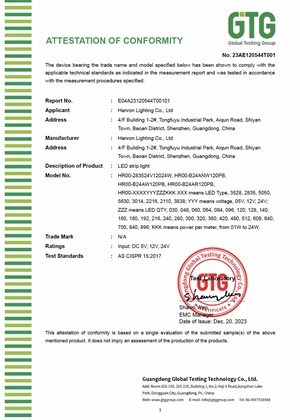
ETL/CE/RoHS/Reach/CB/BIS/LM80/RCM

ISO9001:2015

ETL

CB

BIS
RCM
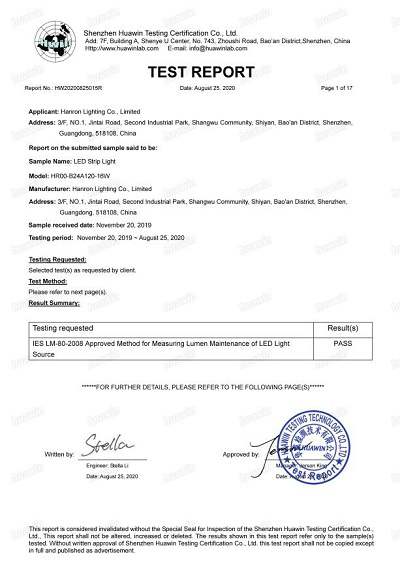
LM80 Test

CE EMC

CE LVD
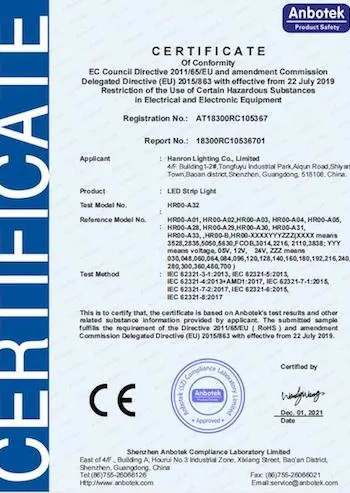
CE RoHS

CE Reach
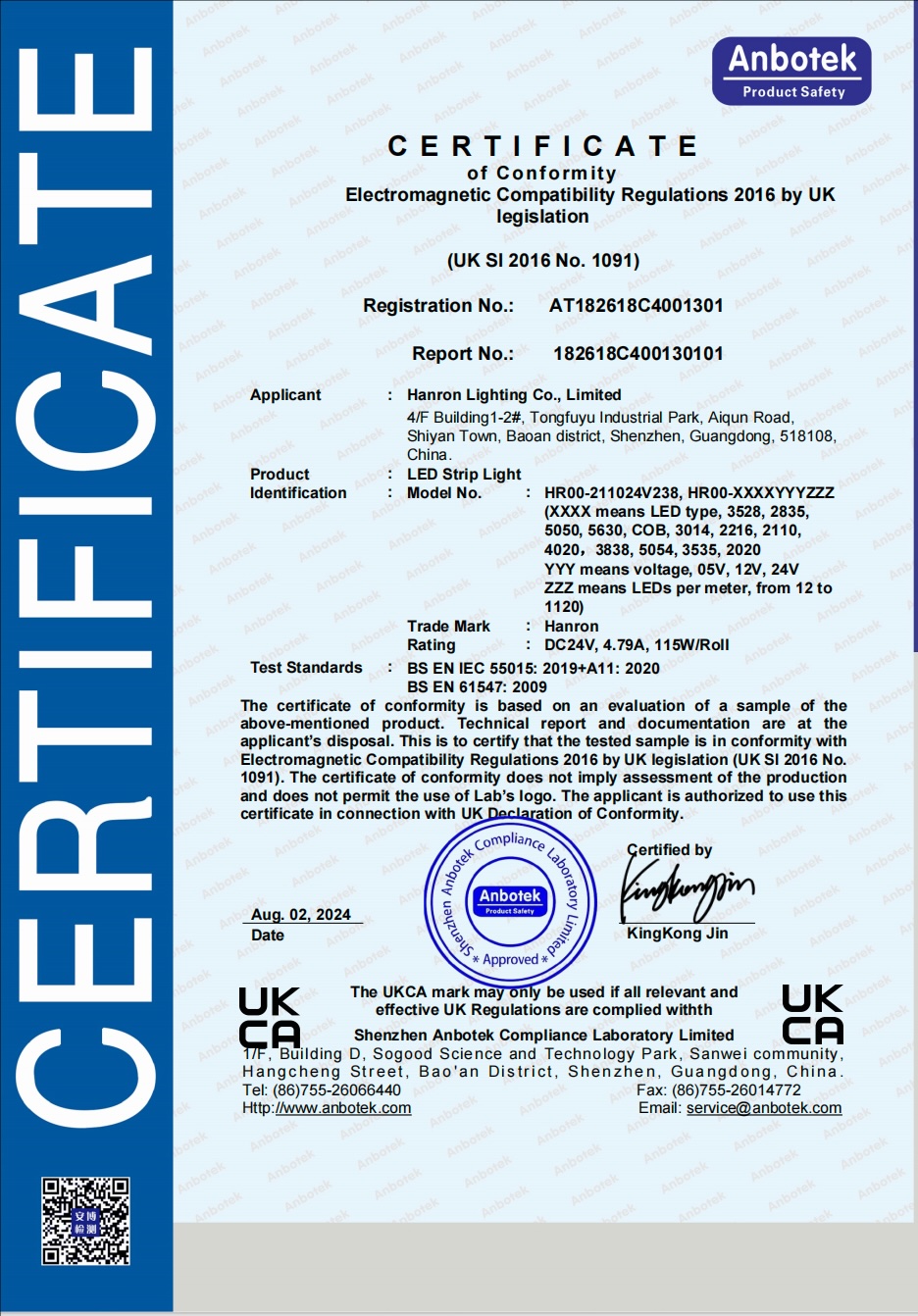
UKCA

IP68 Report
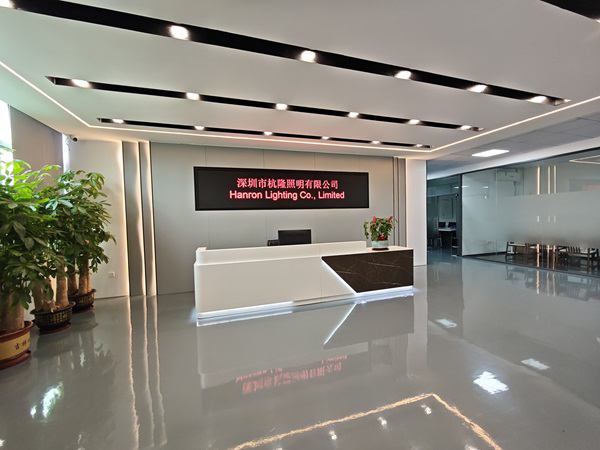
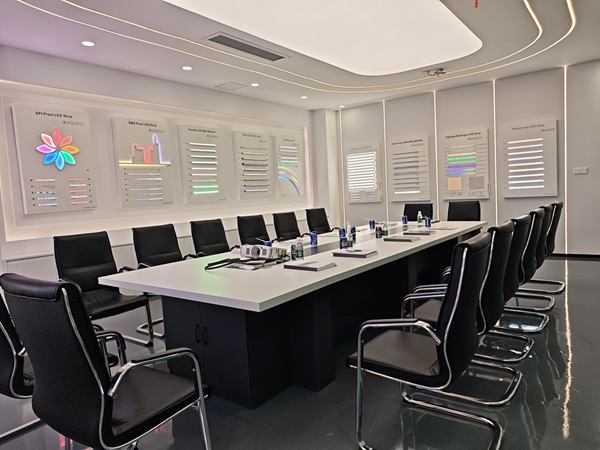
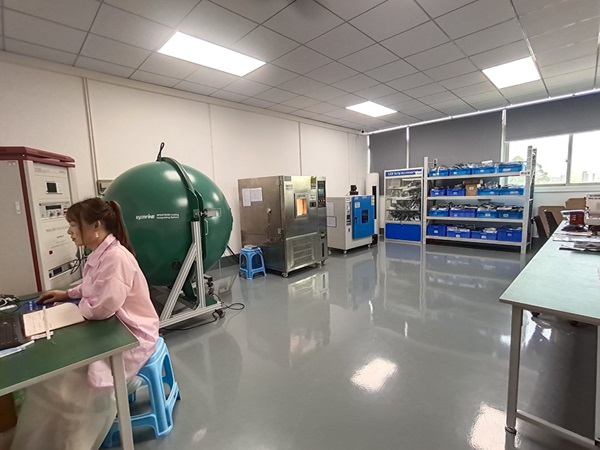
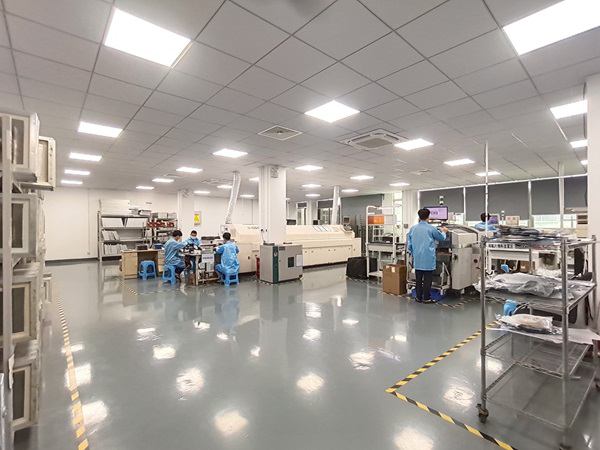
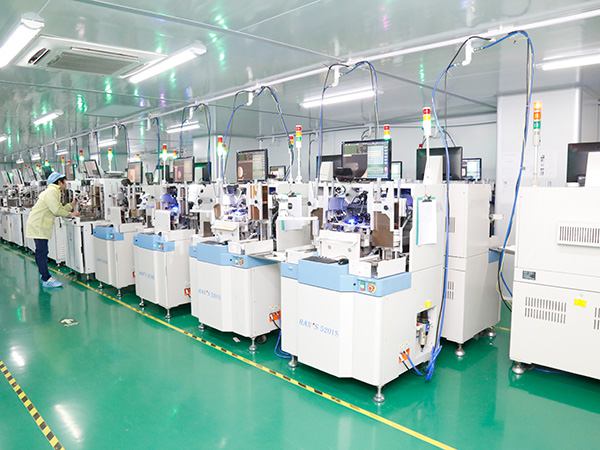
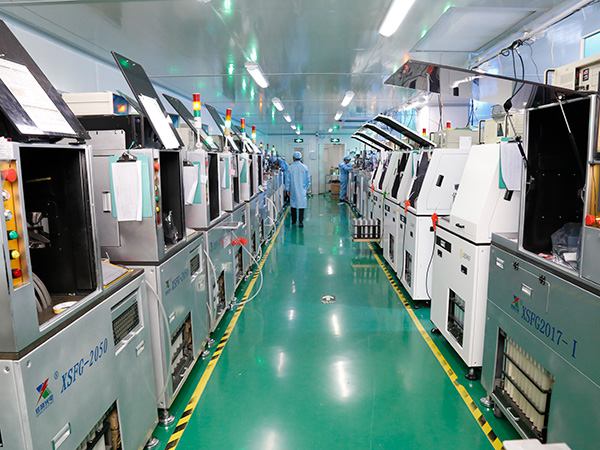
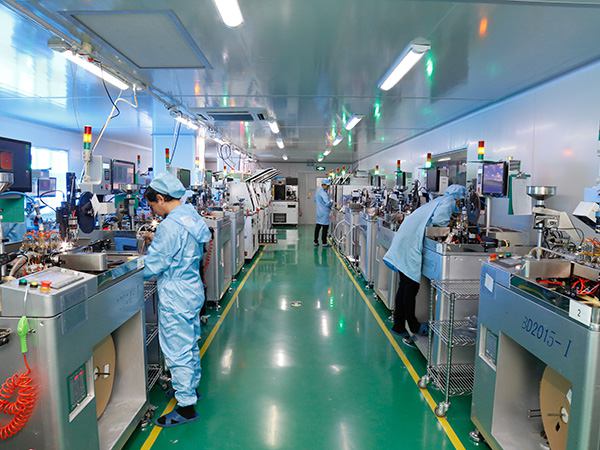
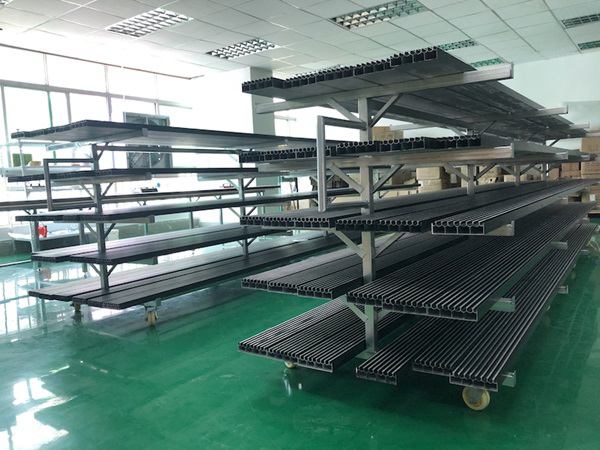
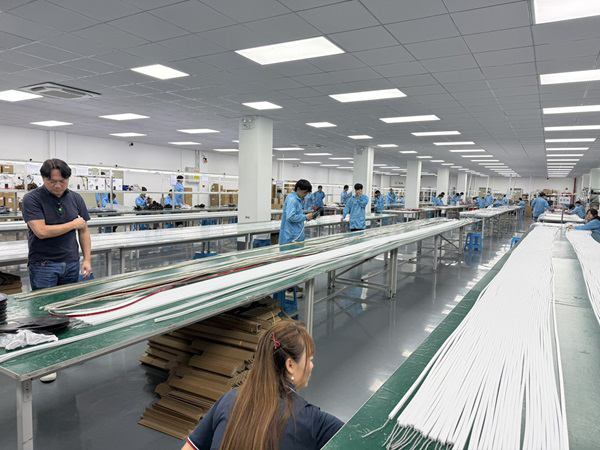
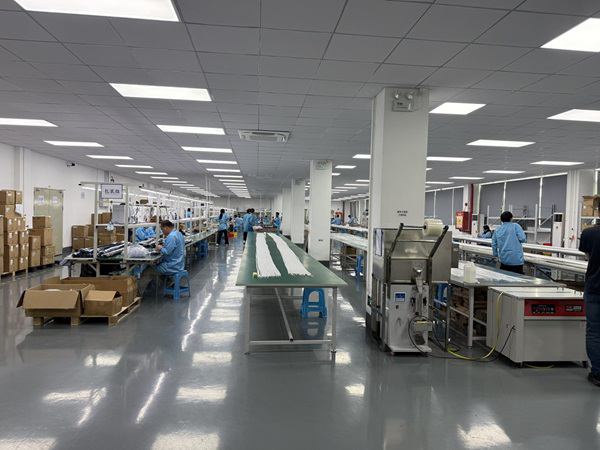
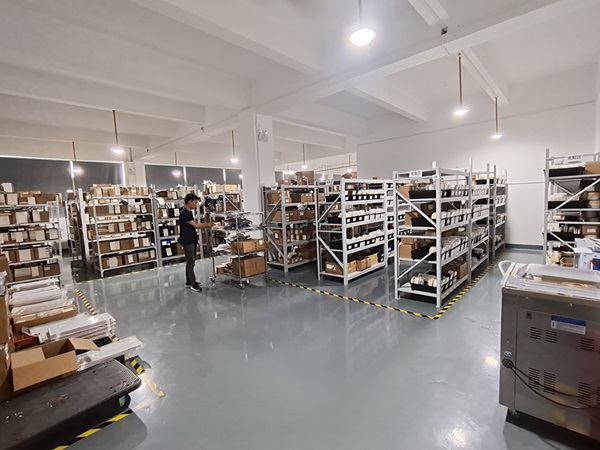
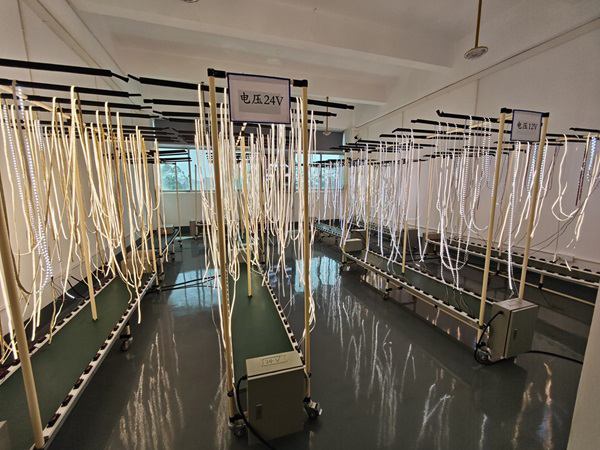
Factory Tour
100+ Employees to support your orders
Need an Instant Quote For Your Upcoming Projects?
Send us the details and we will get back to you within 12 hours.