RGBW LED Strip Light
RGBW LED strips combine red, green and blue with a dedicated white channel, allowing one installation to provide both colorful lighting effects and white light for everyday use. Choose the white color temperature when ordering, then control the RGB and white channels with a compatible RGBW controller.
Hanron manufactures RGBW LED strips in China, including 4-in-1 LEDs and separate RGB + white LED designs. Choose from 12V and 24V models, with customization for white-light output, CRI, PCB width, power and installation length.


- 1
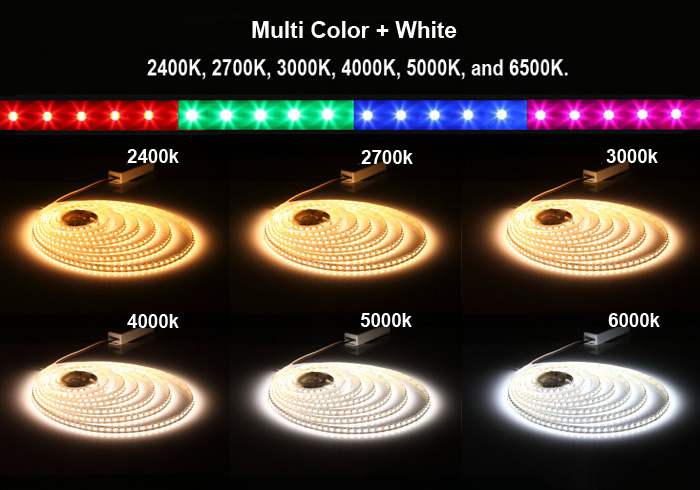
Features of RGBW LED Strip
1. Red, green, blue, and 6500K cool white in one LED strip.Also produce millions of colors.
2. High brightness big chip LM-80 LEDs selected, more lumens per meter than many other brands
3. A complete series for your request, just choose the items you need
4. DC12V & 24V available, fully dimmable to any brightness.
5. With controller to achieve many color changing effects, flash, strobe, fading, etc.
6. Use WiFi RGBW controller compatible with Amazon Alexa or Google Assistant, integrate with smart home lighting control system.
Customize Your RGBW LED Strip
10 Professional engineers are here to serve you

As China's top rgbw led strip supplier, Hanron provides innovative lighting solutions to all your lighting needs, whether residential, commercial, or even industrial.
Here are what can be customized:
1. LED Density & Layout
2. PCB Width, Shape & Color
3. White Color Temperature, CRI & Brightness
4. Waterproof Rating
5. 3M Adhesive Tape Options
6. Logo on PCB & Packaging
7. Voltage & Power
8. Strip & Cable Length
Share your drawings, target specifications and order quantity. Our engineers will help define a suitable design and confirm sample options.
FAQS
RGB strips combine red, green and blue to produce different colors. They can mix these colors to approximate white, but they do not have dedicated white LEDs. Choose RGB when colored decorative lighting is the main requirement.
RGBW strips add a dedicated white channel with a color temperature selected when ordering. Choose RGBW when you want colorful effects and a consistent white tone from the same installation.
RGB+CCT strips add warm-white and cool-white channels, allowing you to adjust the white color temperature after installation. Choose RGB+CCT when the space needs warm lighting for relaxation and cooler white lighting for other activities.
A standard RGBW strip has one dedicated white color temperature, such as 3000K, 4000K or 6000K, selected when ordering. You can dim that white channel, but dimming does not turn it from warm white into cool white.
Adding RGB light can change its tint, but this is not equivalent to controlled tunable-white lighting.
If you need to adjust white from warm to cool after installation, choose an RGB+CCT strip with a compatible five-channel controller. For RGBW, choose the white tone that matches your interior and other lighting fixtures before ordering.
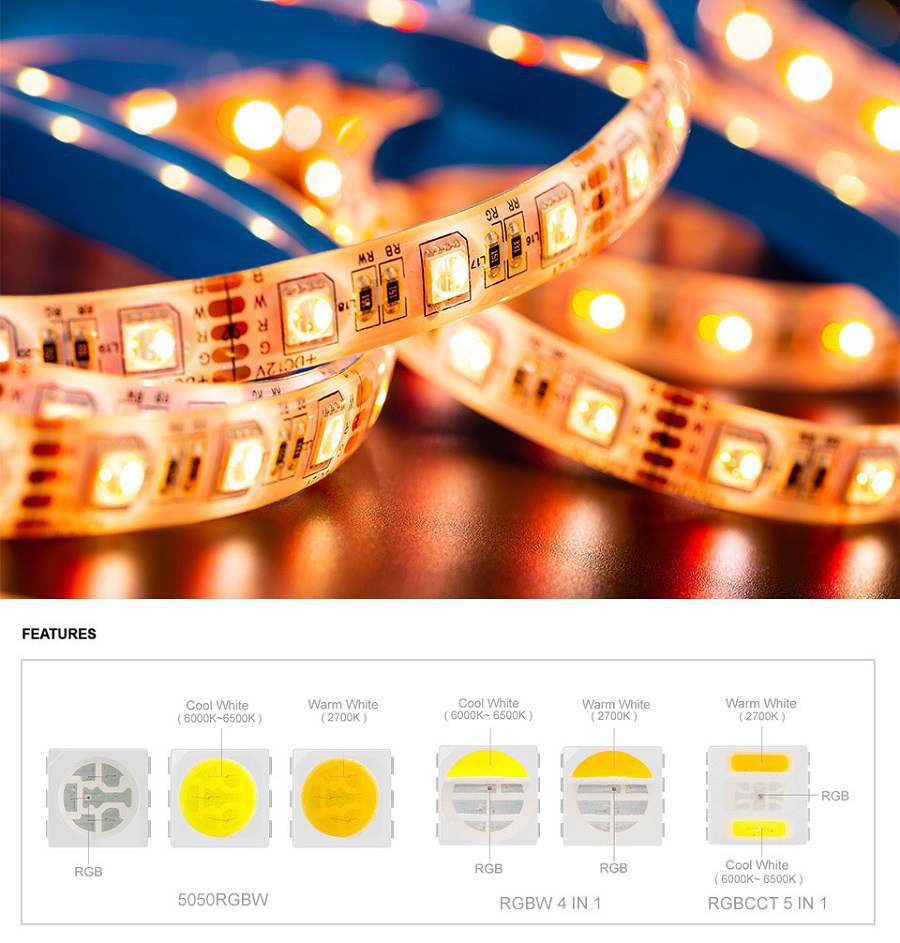
4-in-1 RGBW LEDs contain red, green, blue and white chips within each LED package. Because the channels are positioned close together, they generally make it easier to blend light in shallow profiles and installations where the illuminated surface is close to the strip.
Separate RGB and white LEDs use dedicated packages arranged along the PCB. This gives more flexibility to select the white LED type, quantity and power independently, making this structure worth considering when white-light output or CRI is a priority. However, the separate light sources may need more mixing distance or a diffuser to avoid visible color separation.
For shallow decorative lighting, start by considering 4-in-1 models. For demanding white-light requirements, compare the separate-LED options as well. Neither structure is automatically brighter—check the actual white-channel specifications.
No. Brightness depends on the LED specification, operating power and channel being used, as well as the number of LEDs.
Also check how the LEDs are counted. For example, a strip with 60 RGBW 4-in-1 LEDs/m has 60 packages, each containing RGB and white chips. A separate-LED strip described as 120 LEDs/m might contain 60 RGB packages and 60 white packages. In that example, both have 60 white-light sources per meter, despite the different total LED counts.
Compare white-only lumens per meter, white-channel power and LED spacing. For colored lighting, compare output in the same color mode. Higher density can improve visual uniformity without necessarily increasing brightness.
Yes, provided the strip is rated for simultaneous operation and the controller supports it. Combining white with RGB can create lighter, less saturated colors, while the white channel can also operate independently.
Check the controller’s available modes before purchasing. Some allow RGB and white to be adjusted together, while others switch between color mode and white mode.
The power supply, controller and wiring must support the maximum permitted combined load. Confirm whether the strip’s stated watts per meter represents all channels operating together or a particular lighting mode.
The major difference between RGB and RGBW LED strips is that RGBW strip can provide better quality white light. The better quality white means a white light with pure color temperature. For example, RGB LED strip light can produce white that is close to cool white, but not pure cool white. Better quality also means a high color render index(CRI). The white light emitted by mixing RGB together is poor in CRI value, not comparable to the pure white LEDs. So if you need not only RGB color changing lighting, but also better white lighting, you can choose RGBW or RGB + tunable white LED strip light.
Another difference between RGB and RGBW LED strips is that RGBW LED light strips can generate richer, more vibrant colors than RGB strips. This is because the white light can be blended into color light to enrich the mixing result.
The only difference between RGBW and RGBWW is the CCT of the white color.
RGBW, normally means, RGB+White color; while RGBWW refer to RGB+Warm white+Cool White.
So, there is only one pure white color in RGBW and you can choose the CCT of the white color base on your request. For RGBWW, also call RGB CCT, you can turn the white color from 2700K to 6500K.
For a standard constant-voltage RGBW strip, match the power supply and controller to the strip’s rated voltage, then check both the total load and the load on each channel.
Power supply example: If a 24V strip uses a maximum of 20W/m with all permitted channels on, a 5-meter installation requires:
5m × 20W/m = 100W
Adding 20% capacity gives a minimum target of 120W. Choose a 24V power supply rated at 120W or above, with additional allowance if its installation temperature or enclosure requires derating.
Controller example: The same 100W load at 24V draws approximately:
100W ÷ 24V = 4.17A total
The controller must support this total current and the individual R, G, B and W channel loads. Do not simply divide the total by four: the channels may have different power ratings. For example, if the white channel uses 8W/m, its load over 5 meters is:
5m × 8W/m ÷ 24V ≈ 1.67A on the white channel
Choose a controller with capacity above the calculated loads, and check its combined-output limit as well as its per-channel rating. For addressable RGBW strips, also confirm protocol compatibility, supported pixel count and power-injection requirements.
RGBW offers the same as RGB but with a dedicated white LED as well to ensure you get the best quality white illumination possible. RGBIC gives you the ability to change colours but you can take control of every LED individually, allowing for more dynamic lighting effects like chase, meteor, rainbow, etc…
No.
RGBW LED Strip has 4 diodes: red, green, blue and warm white, which means it needs a 4-channel output controller to drive it. Yet, for RGB led strip controller, there are only 3-channel output, so RGB led strip controller is not enough to drive RGBW led strip light.
Standard RGBW strips cannot create a moving chase along one continuous, commonly controlled section. The LEDs in that section change together, supporting effects such as dimming, fading and synchronized color changes.
For chasing, flowing colors or animated patterns, choose an addressable RGBW strip and a controller that supports its IC protocol and RGBW configuration.
Also check the pixels per meter. An addressable pixel may control one LED or a group of LEDs, depending on the model. Choose a higher pixel density for finer animation detail; do not assume that every addressable RGBW strip offers individual control of each LED.
Accessories for RGBW LED Strips
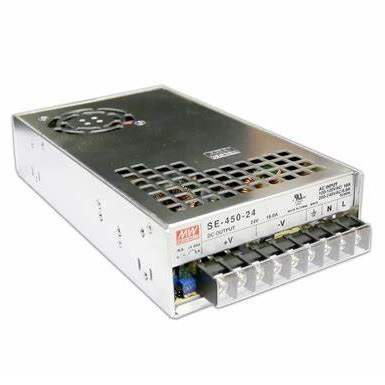
Choose a power supply that matches your strip’s voltage and maximum operating load, with at least 20% additional capacity.
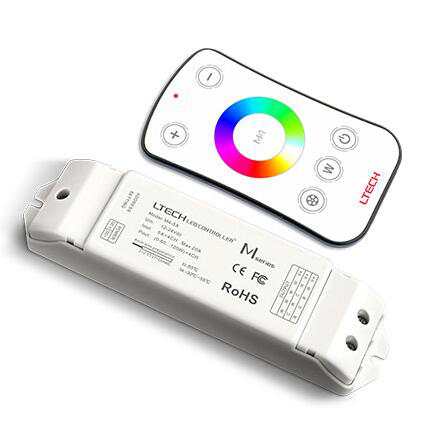
Control colors and white light with a compatible four-channel RGBW controller. Check both its per-channel and total current ratings.
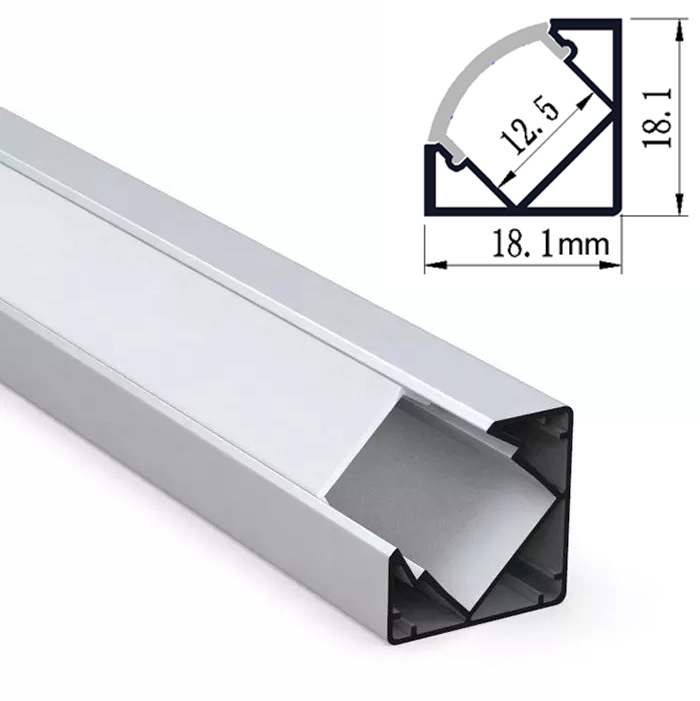
Support heat dissipation and create a neat finish with an aluminum profile. Choose sufficient depth and a suitable diffuser to help blend the RGB and white light.
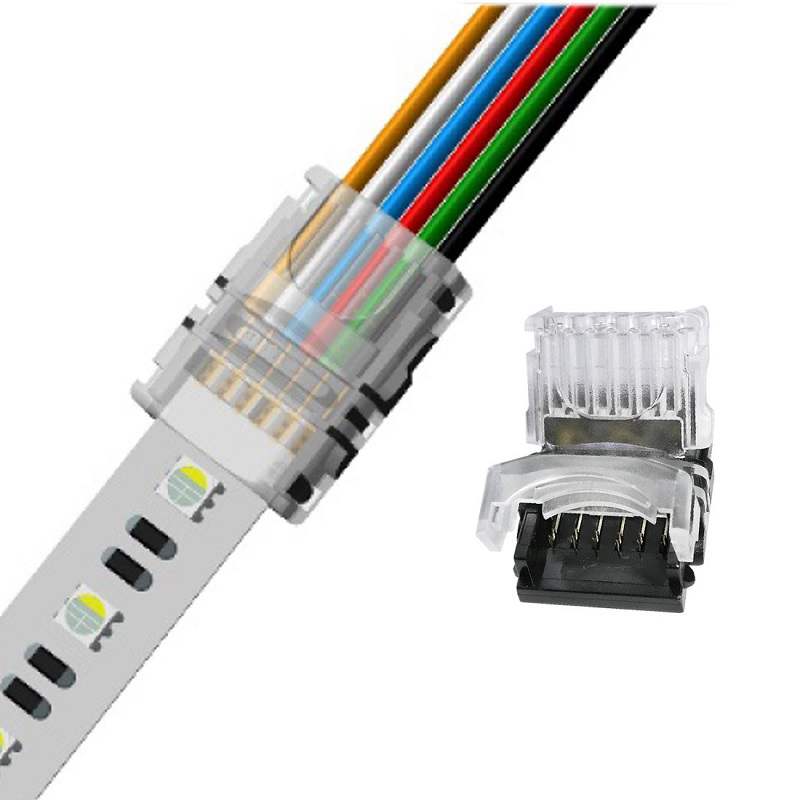
For standard analog RGBW strips, choose five-pin connectors that match the PCB width, pad spacing and current load. Waterproof versions require compatible sealed connections.
Applications of RGBW LED Strips
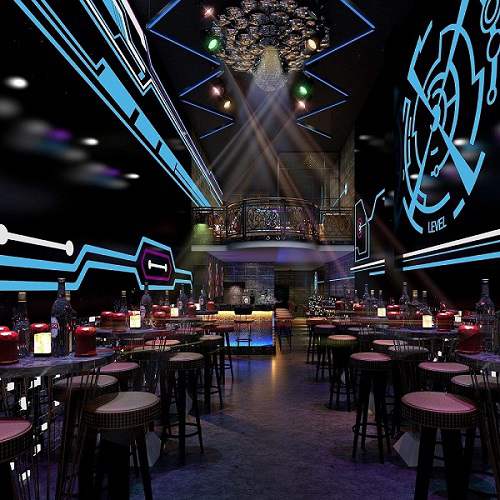
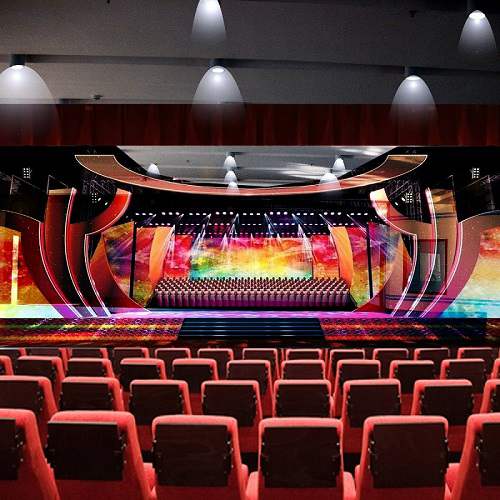
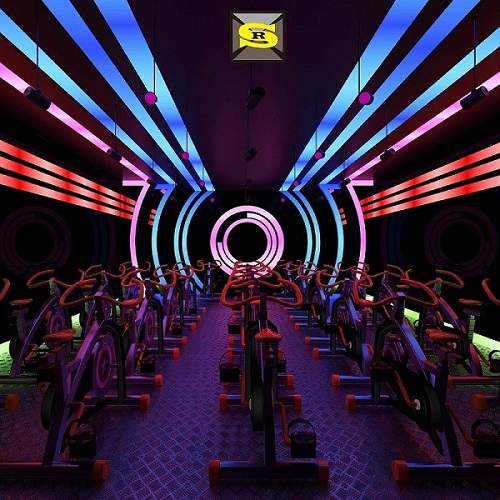
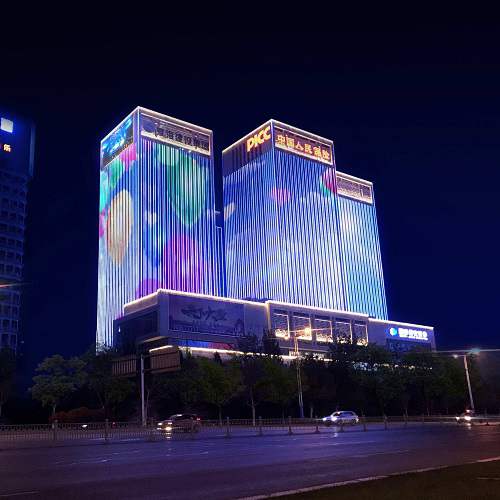





China RGBW LED Strip Manufacturer
Founded in 2010, Hanron Lighting manufactures RGBW LED strips in China for lighting brands, distributors and project suppliers worldwide. Our range includes 5050 4-in-1 RGBW, 5050 RGB + 5050 white, and 3838 RGB + 2835 white designs, with black, white and yellow PCB options to suit different fixtures and installations.
Our team of 10 lighting engineers supports OEM and ODM projects, customizing LED configurations, white color temperature, CRI, brightness, PCB dimensions and waterproof protection. We also offer branded packaging and PCB logo printing to support your product range.
ETL, CE and RoHS documentation is available for applicable models. Send us your specifications and order quantity for product recommendations, sample options and a wholesale quotation.
Hanron Brand Certificate
ETL/CE/RoHS/Reach/CB/BIS/LM80

ISO9001:2015

CB

ETL

BIS
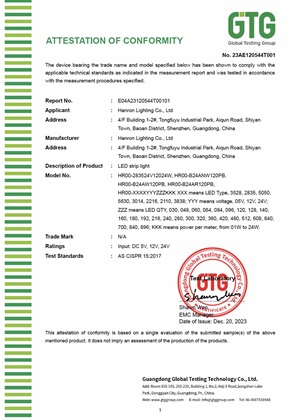
RCM
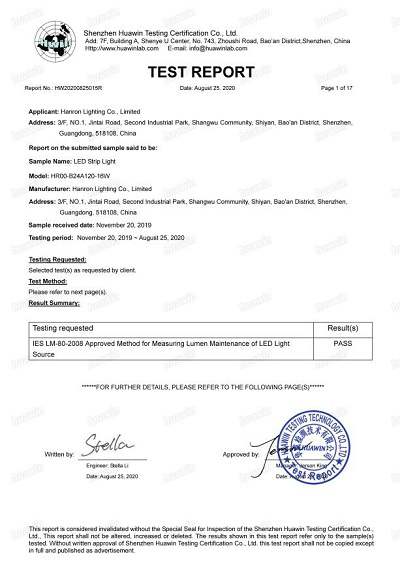
LM80 Test

CE EMC

CE LVD
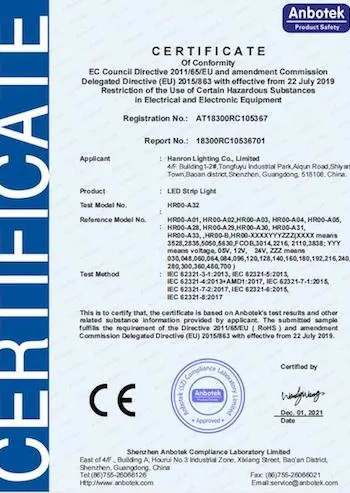
CE RoHS

CE Reach
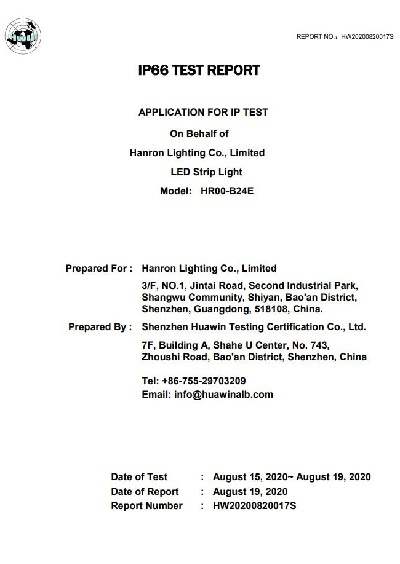
IP66 Report

IP68 Report
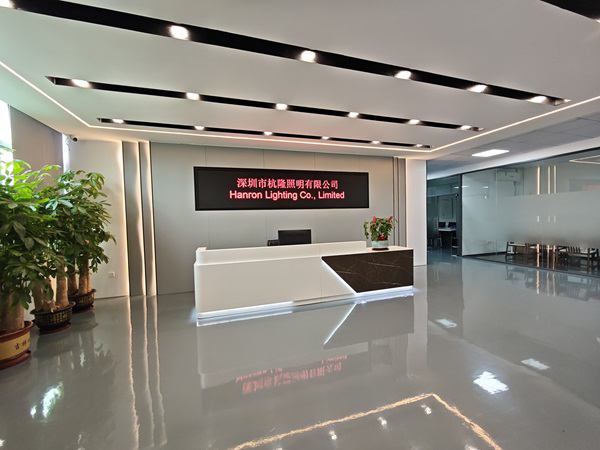
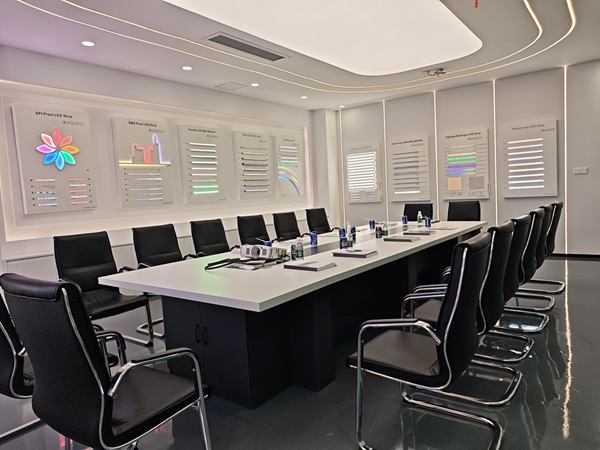
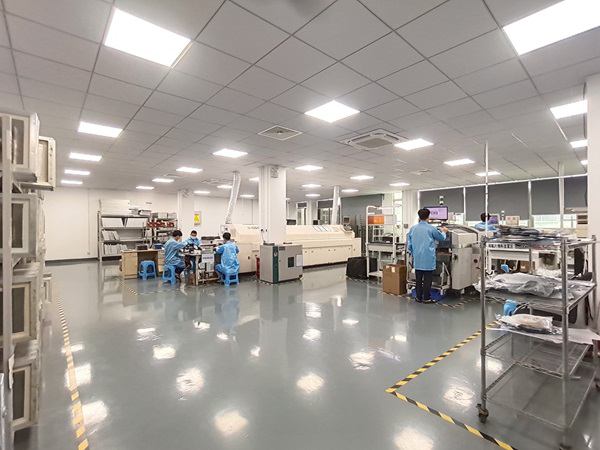
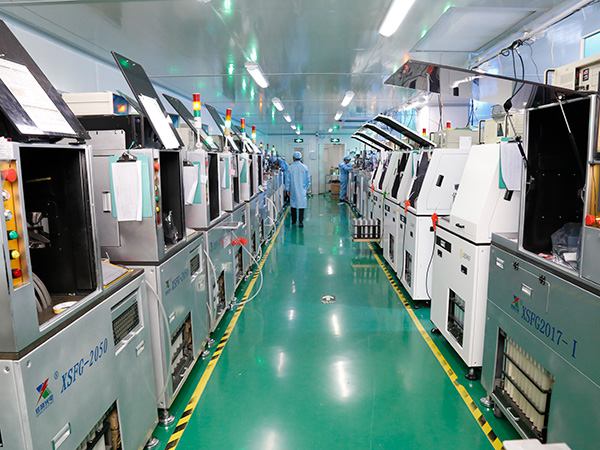
Factory Tour
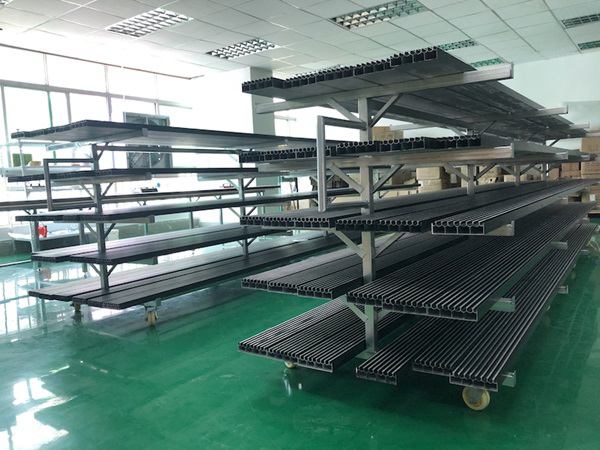
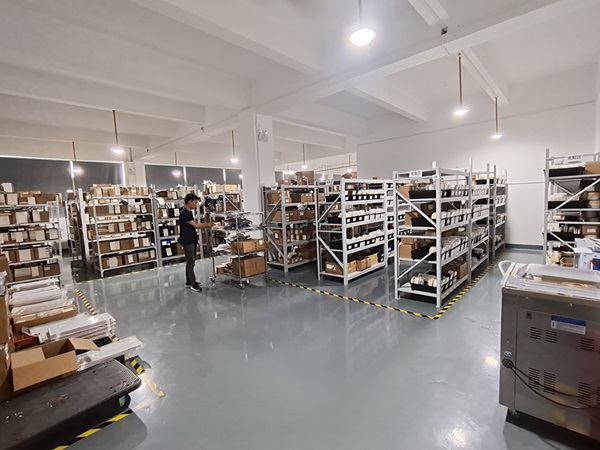
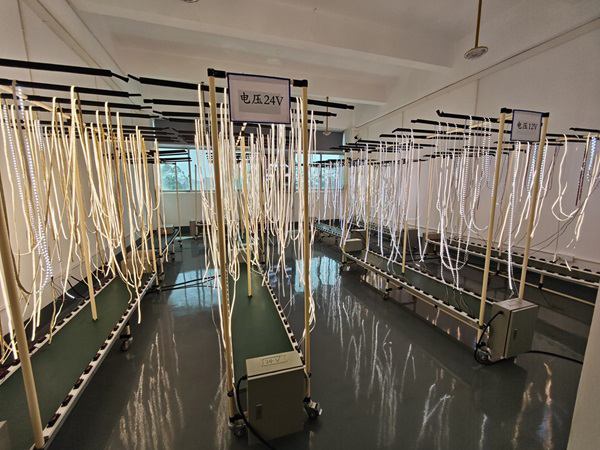
100+ Employees to support your orders