
隐藏led灯条电源的10个地方
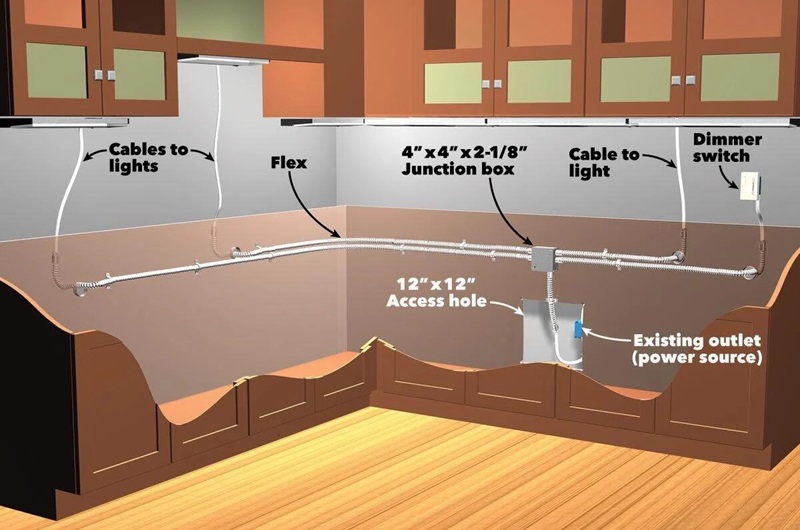
The visibility of an LED strip setup is significantly marred by the presence of the power supply. Its visibility detracts from the aesthetic ambiance of a room, making it crucial to conceal. To maintain a clean and neat room, it's advisable to hide the LED strip power supply.
Why should we hide led strip power supply?
Hiding the power supply for LED strips serves both aesthetic and safety purposes. From an aesthetic standpoint, concealing the power supply contributes to a cleaner and more visually pleasing appearance. Exposed wires and components can detract from the overall design and disrupt the intended ambiance created by the LED lighting.
Additionally, hiding the power supply enhances safety measures. LED strip power supplies typically have electrical components that may pose a risk if touched or exposed to moisture. Concealing the power supply helps minimize the chance of accidental contact, reducing the risk of electric shocks or other electrical hazards. This is especially crucial in spaces where children or pets are present.
Furthermore, hiding the power supply contributes to a more organized and clutter-free environment. Concealed wiring creates a streamlined and polished look, eliminating the distraction of visible cables and emphasizing the focus on the illuminated features. Overall, the decision to hide the LED strip power supply aligns with design principles, safety considerations, and the desire for a visually pleasing and organized space.
10 place to hide led strip power supply
The LED strip power supply can be hidden in various locations depending on the specific setup and the design preferences of the user. Here are some common places to conceal the LED strip power supply:
1. Behind Furniture

Concealing the power supply behind furniture, such as cabinets, shelves, or entertainment centers, provides a straightforward solution. Ensure that the furniture piece has a gap or space where the power supply can fit without being visible.
2. Within Cabinets or Drawers
Placing the power supply inside cabinets or drawers offers a hidden storage option. This is particularly useful if the LED strips are installed in areas like kitchens or living rooms with built-in storage.
3. Ceiling or Wall Cavities
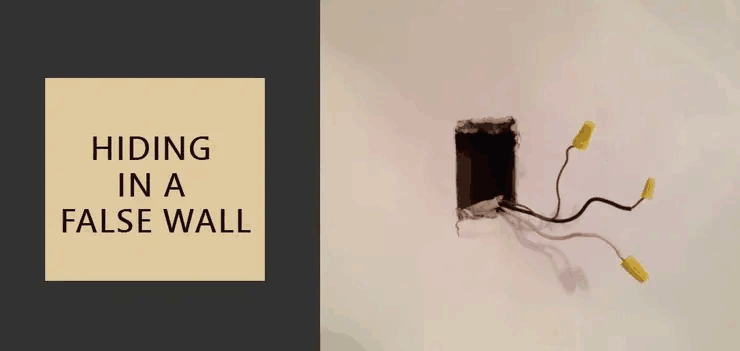
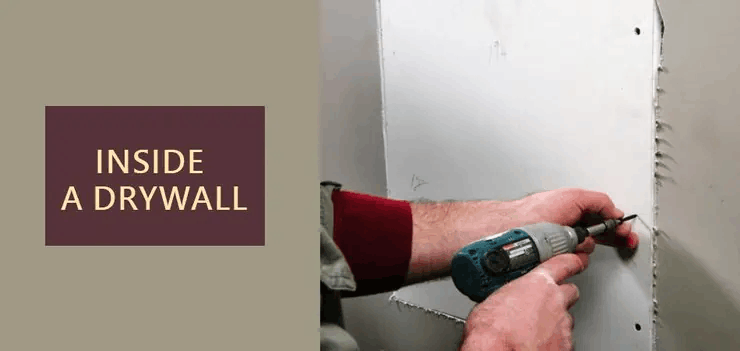
Some spaces are designed with cavities in walls or ceilings for concealing electrical components. Professional installation may be required to safely secure the power supply in these locations.
4. Junction Box

Using an electrical junction box with a cover plate is a clean and organized way to hide the power supply. This method adheres to electrical safety standards and provides a polished appearance.
5. Concealed Channels
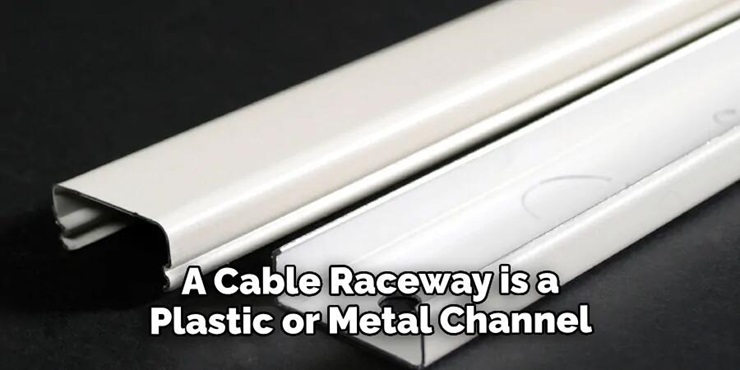
Cable management channels or systems attached to walls create a discreet pathway for wires, including the power supply cable. These channels can be paintable to match the wall color, further blending into the surroundings.
6. Under Furniture

Placing the power supply under furniture is a common choice. However, ensure that there is enough airflow to prevent overheating, and consider using furniture with built-in ventilation features.
7. Inside a Dedicated Enclosure
Enclosures designed for electrical components offer protection and a hidden space for the power supply. These can be mounted on walls or integrated into furniture, providing a clean and organized look.
8. Within Decorative Molding
Integrating the power supply into decorative molding or trim allows for a seamless and aesthetically pleasing solution. This is a creative way to hide the power supply while adding to the overall design.
9. Behind Wall Art
Mounting the power supply behind wall art or decorative panels keeps it hidden from direct view. Ensure that the artwork is easily removable for maintenance or access to the power supply.
10. Inside a Built-In Niche
Utilizing built-in niches or alcoves to hide the power supply is an architectural approach. This can create a custom and integrated look, especially if the niche aligns with the overall design of the space.
Always ensure that the chosen location allows for proper ventilation to prevent overheating, and follow safety guidelines to maintain the integrity of the LED strip power supply while keeping it hidden for a clean and organized appearance.
Things To Consider While Hiding LED Strip Power Supply
隐藏 LED 灯条电源时,应考虑几个重要因素以确保成功和安全安装。以下是需要牢记的关键事项:

1. 通风
确保隐藏点允许电源周围有适当的气流。良好的通风对于防止电源过热至关重要,过热会影响其性能和寿命。避免通风不足的封闭空间。
2. 可访问性
选择易于维护或更换的位置。考虑 LED 灯条的使用寿命以及将来需要访问或更换电源的可能性。避免需要复杂拆卸或难以到达的位置。
3. 湿度和温度
避开湿度高或温度过高的区域。潮湿会导致电气问题和腐蚀,而极端温度会影响电源的效率和寿命。选择干燥和中等温度的环境。
4.与装饰集成
战略性地将电源整合到空间的整体设计中。考虑将其隐藏在家具后面、橱柜内,或加入装饰元素以与房间的美学无缝融合。这确保了电源不会破坏空间的视觉和谐。
5.散热

考虑电源的散热能力。将其安装在气流良好的区域,以有效散热。充分的散热有助于延长电源的使用寿命和实现最佳性能。
通过考虑这些细节考虑,您可以有效地隐藏 LED 灯条电源,不仅确保安全性和功能性,而且确保视觉上令人愉悦且集成良好的环境。
常见问题
1. 我可以将 LED 灯条电源隐藏在任何类型的家具后面吗?
是的,您可以将电源隐藏在橱柜、书架或娱乐中心等家具后面。确保有足够的通风空间,并且家具材料允许散热。
2. 将电源隐藏在墙腔或天花板中是否安全?
如果由专业电工完成,隐藏在墙腔或天花板中是安全的。必须遵守电气规范,使用适当的安装方法,并确保适当的通风以防止过热。
3. 隐藏LED灯条电源有没有特定的线缆管理解决方案?
是的,有多种电缆管理解决方案可供选择。粘性电缆通道、夹子或导管系统可用于整理和隐藏电源和布线。选择适合您审美偏好的选项。
4. 我可以将电源隐藏在抽屉或机柜内吗?

绝对可以的,将电源放在机柜或抽屉内是外观简洁的实用解决方案。确保空间通风良好,并考虑使用电缆整理器来保持内部井井有条。
5. 将电源隐藏在壁画后面时应该考虑什么?
当隐藏在墙面艺术后面时,请确保艺术易于拆卸以进行维护。考虑艺术品的重量,选择通风良好的位置,并为任何所需的散热留出空间。
6. 隐藏电源时是否需要遵守任何安全规定?
是的,严格遵守当地的电气规范和安全法规。这确保了安装的安全性,防止了电气危险,并确保符合既定标准。
7. 我可以将电源集成到装饰成型或装饰中吗?
可以的,将电源集成到装饰成型或装饰中可以提供优雅的解决方案。确保成型允许适当的通风,并考虑定制设计以匹配您的整体审美。
8. 对于未来的升级或更换,哪些注意事项很重要?
选择一个隐藏的地方,以便将来升级或更换时轻松进入。考虑使用易于拆卸的安装解决方案,并计划技术或照明偏好的潜在变化。
9. 如何确保电源通风良好?
选择气流良好的位置。如果躲在封闭的空间里,可以考虑增加通风口或选择自然通风的地方。充足的通风对于防止电源过热至关重要。
10. 有没有特定类型的家具适合将电源隐藏在下面?
为电子产品设计的家具通常具有内置通风功能,使其适合隐藏电源。选择与您的空间相得益彰的家具,同时提供适当的气流。
2024 年照明展览和贸易展览会:终极指南
如何在电视背面安装led灯条?
相关文章
需要为您即将开展的项目提供即时报价吗?
向我们发送详细信息,我们将在 12 小时内回复您。