
10 places to hide led strip power supply
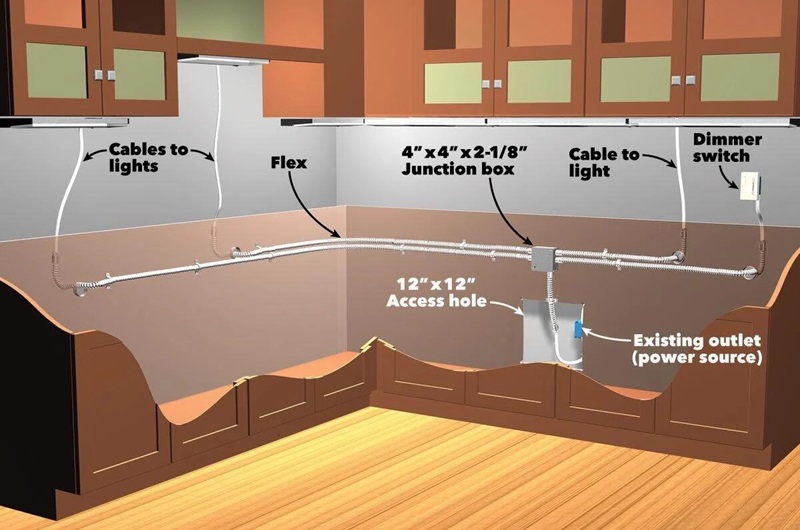
The visibility of an LED strip setup is significantly marred by the presence of the power supply. Its visibility detracts from the aesthetic ambiance of a room, making it crucial to conceal. To maintain a clean and neat room, it's advisable to hide the LED strip power supply.
Why should we hide led strip power supply?
Hiding the power supply for LED strips serves both aesthetic and safety purposes. From an aesthetic standpoint, concealing the power supply contributes to a cleaner and more visually pleasing appearance. Exposed wires and components can detract from the overall design and disrupt the intended ambiance created by the LED lighting.
Additionally, hiding the power supply enhances safety measures. LED strip power supplies typically have electrical components that may pose a risk if touched or exposed to moisture. Concealing the power supply helps minimize the chance of accidental contact, reducing the risk of electric shocks or other electrical hazards. This is especially crucial in spaces where children or pets are present.
Furthermore, hiding the power supply contributes to a more organized and clutter-free environment. Concealed wiring creates a streamlined and polished look, eliminating the distraction of visible cables and emphasizing the focus on the illuminated features. Overall, the decision to hide the LED strip power supply aligns with design principles, safety considerations, and the desire for a visually pleasing and organized space.
10 place to hide led strip power supply
The LED strip power supply can be hidden in various locations depending on the specific setup and the design preferences of the user. Here are some common places to conceal the LED strip power supply:
1. Behind Furniture

Concealing the power supply behind furniture, such as cabinets, shelves, or entertainment centers, provides a straightforward solution. Ensure that the furniture piece has a gap or space where the power supply can fit without being visible.
2. Within Cabinets or Drawers
Placing the power supply inside cabinets or drawers offers a hidden storage option. This is particularly useful if the LED strips are installed in areas like kitchens or living rooms with built-in storage.
3. Ceiling or Wall Cavities
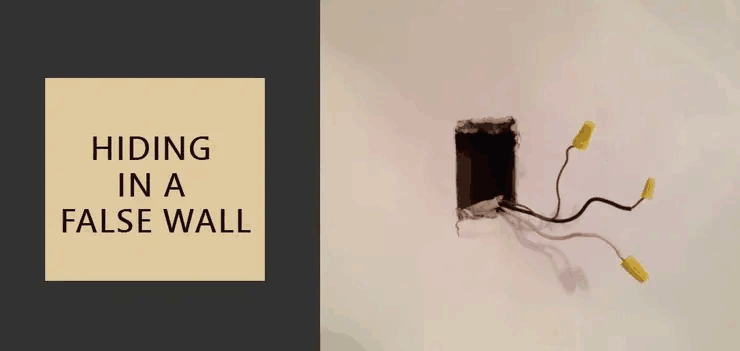
Some spaces are designed with cavities in walls or ceilings for concealing electrical components. Professional installation may be required to safely secure the power supply in these locations.
4. Junction Box

Using an electrical junction box with a cover plate is a clean and organized way to hide the power supply. This method adheres to electrical safety standards and provides a polished appearance.
5. Concealed Channels
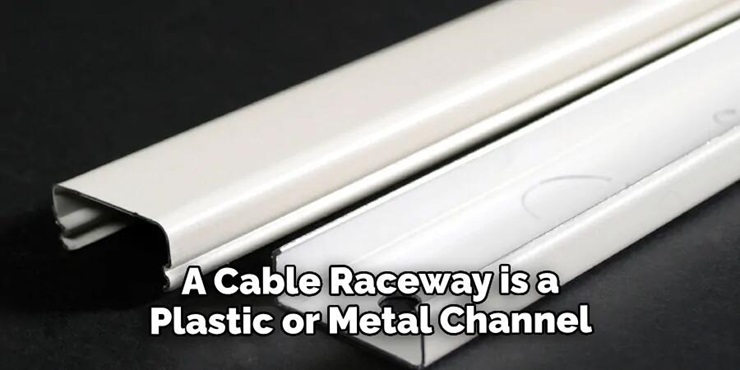
Cable management channels or systems attached to walls create a discreet pathway for wires, including the power supply cable. These channels can be paintable to match the wall color, further blending into the surroundings.
6. Under Furniture

Placing the power supply under furniture is a common choice. However, ensure that there is enough airflow to prevent overheating, and consider using furniture with built-in ventilation features.
7. Inside a Dedicated Enclosure
Enclosures designed for electrical components offer protection and a hidden space for the power supply. These can be mounted on walls or integrated into furniture, providing a clean and organized look.
8. Within Decorative Molding
Integrating the power supply into decorative molding or trim allows for a seamless and aesthetically pleasing solution. This is a creative way to hide the power supply while adding to the overall design.
9. Behind Wall Art
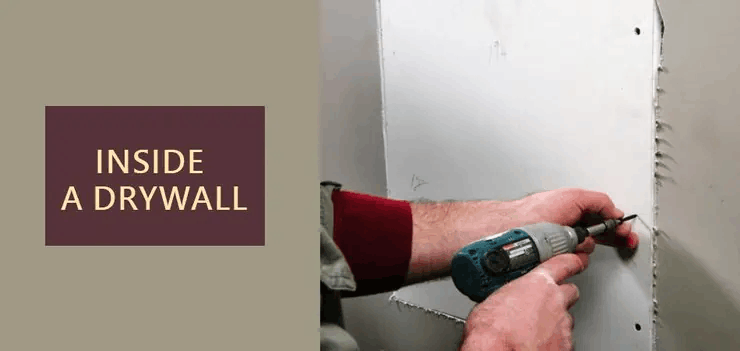
Mounting the power supply behind wall art or decorative panels keeps it hidden from direct view. Ensure that the artwork is easily removable for maintenance or access to the power supply.
10. Inside a Built-In Niche
Utilizing built-in niches or alcoves to hide the power supply is an architectural approach. This can create a custom and integrated look, especially if the niche aligns with the overall design of the space.
Always ensure that the chosen location allows for proper ventilation to prevent overheating, and follow safety guidelines to maintain the integrity of the LED strip power supply while keeping it hidden for a clean and organized appearance.
Things To Consider While Hiding LED Strip Power Supply
When hiding an LED strip power supply, several important factors should be considered to ensure a successful and safe installation. Here are key things to keep in mind:
1. Ventilation
Ensure that the hiding spot allows for proper airflow around the power supply. Good ventilation is crucial to prevent the power supply from overheating, which can affect its performance and longevity. Avoid enclosed spaces without sufficient ventilation.
2. Accessibility
Choose a location that is easily accessible for maintenance or replacement. Consider the longevity of the LED strip lights and the likelihood of needing to access or replace the power supply in the future. Avoid locations that require complex disassembly or are hard to reach.
3. Moisture and Temperature
Avoid areas with high moisture levels or extreme temperatures. Moisture can lead to electrical issues and corrosion, while extreme temperatures can impact the efficiency and lifespan of the power supply. Choose a dry and moderate-temperature environment.
4. Integration with Decor
Strategically integrate the power supply into the overall design of the space. Consider hiding it behind furniture, within cabinets, or incorporating decorative elements to seamlessly blend with the aesthetics of the room. This ensures that the power supply doesn't disrupt the visual harmony of the space.
5. Heat Dissipation

Consider the heat dissipation capabilities of the power supply. Install it in areas with good airflow to dissipate heat effectively. Adequate heat dissipation contributes to the longevity and optimal performance of the power supply.
By taking these detailed considerations into account, you can effectively hide the LED strip power supply, ensuring not only safety and functionality but also a visually pleasing and well-integrated environment.
FAQs
1. Can I hide the LED strip power supply behind any type of furniture?
Yes, you can hide the power supply behind furniture like cabinets, bookshelves, or entertainment centers. Ensure there's sufficient space for ventilation and that the furniture material allows for heat dissipation.
2. Is it safe to conceal the power supply in a wall cavity or ceiling?
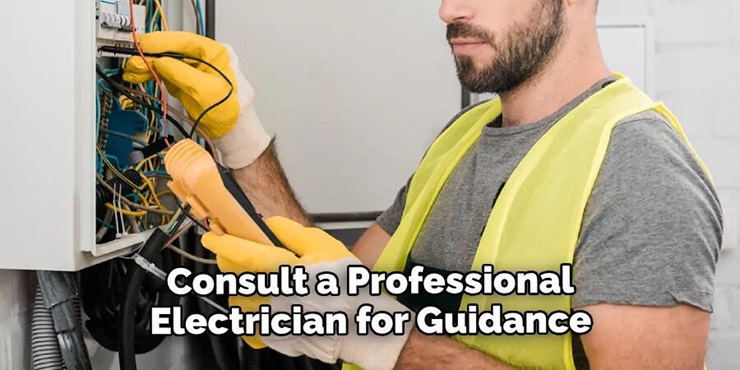
Concealing in wall cavities or ceilings can be safe if done by a professional electrician. It's essential to comply with electrical codes, use appropriate mounting methods, and ensure proper ventilation to prevent overheating.
3. Are there specific cable management solutions for hiding LED strip power supplies?
Yes, various cable management solutions are available. Adhesive cable channels, clips, or conduit systems can be used to organize and hide both the power supply and wiring. Choose options that suit your aesthetic preferences.
4. Can I hide the power supply inside a drawer or cabinet?

Absolutely. Placing the power supply inside cabinets or drawers is a practical solution for a clean look. Ensure the space is well-ventilated, and consider using cable organizers to keep the interior organized.
5. What should I consider when hiding the power supply behind wall art?
When hiding behind wall art, ensure the art is easily removable for maintenance. Consider the weight of the art, choose a location with good ventilation, and leave space for any required heat dissipation.
6. Is it necessary to follow any safety regulations when hiding the power supply?
Yes, strictly adhere to local electrical codes and safety regulations. This ensures the safety of the installation, preventing electrical hazards and ensuring compliance with established standards.
7. Can I integrate the power supply into decorative molding or trim?
Certainly. Integrating the power supply into decorative molding or trim can provide an elegant solution. Ensure the molding allows for proper ventilation, and consider custom designs to match your overall aesthetic.
8. What considerations are important for future upgrades or replacements?
Choose a hiding spot that allows easy access for future upgrades or replacements. Consider using mounting solutions that are easily removable and plan for potential changes in technology or lighting preferences.
9. How can I ensure proper ventilation for the power supply?
Select locations with good airflow. If hiding in an enclosed space, consider adding vents or choosing spots with natural ventilation. Adequate ventilation is crucial for preventing the power supply from overheating.
10. Are there specific types of furniture suitable for hiding the power supply underneath?
Furniture designed for electronics often has built-in ventilation features, making it suitable for hiding power supplies. Choose furniture that complements your space while providing proper airflow.
Lighting Exhibition & Trade Shows in 2024: The Ultimate Guide
How to install led strip on the back of the tv?
Related Article
Need an Instant Quote For Your Upcoming Projects?
Send us the details and we will get back to you within 12 hours.