
LED Strip in Fish Tanks: Tips and Safety Precautions
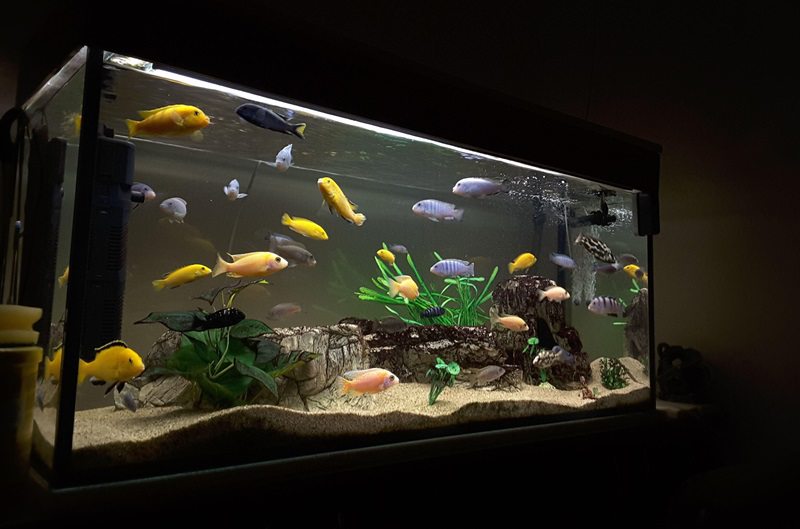
LED strip lights have gained popularity among aquarium enthusiasts for their versatility and effectiveness. These lights offer numerous advantages, making them an excellent choice for illuminating fish tanks. LED strip lights can be customized to fit any tank size and shape, providing a sleek and modern look. They are energy-efficient, produce less heat, and have a longer lifespan compared to traditional lighting options. Additionally, LED strip lights are available in various colors and intensities, allowing you to create stunning visual effects and mimic natural lighting conditions.
Benefits of Using LED Strip Lights in Fish Tanks
There are several benefits to using LED strip lights in aquariums:
Energy Efficiency: LED lights consume less power, reducing energy costs and environmental impact.
Customizability: LED strip lights can be cut to size and shaped to fit any aquarium, providing flexible installation options.
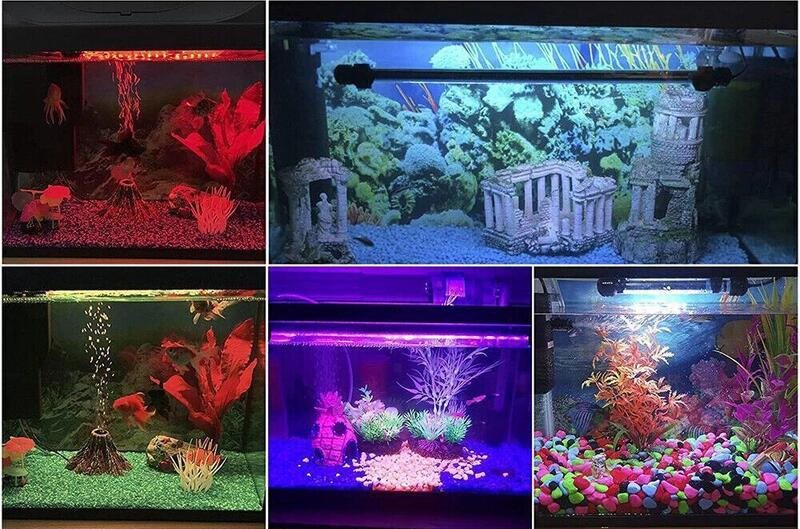
Enhanced Aesthetics: LED lights enhance the visual appeal of the tank, making colors more vibrant and creating dynamic lighting effects.
Low Heat Output: LEDs emit minimal heat, preventing overheating and maintaining a stable water temperature.
Long Lifespan: LED lights have a longer operational life, reducing the need for frequent replacements and maintenance.
Types of LED Strip Lights Suitable for Aquariums
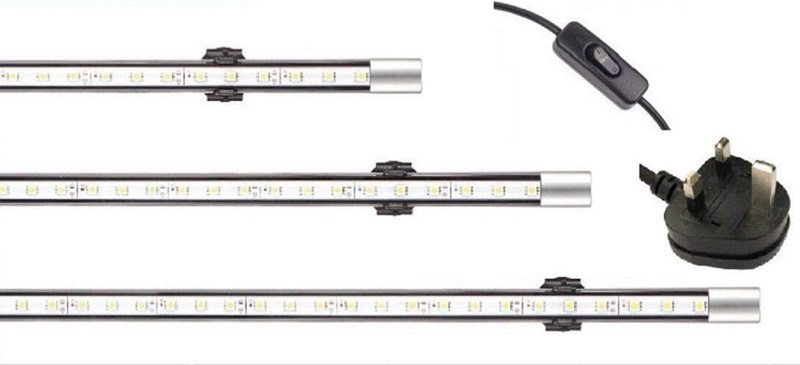
When choosing LED strip lights for your aquarium, it's essential to select the right type to ensure optimal performance and safety. The main types include:
Standard LED Strips: These are versatile and can be used for general illumination.
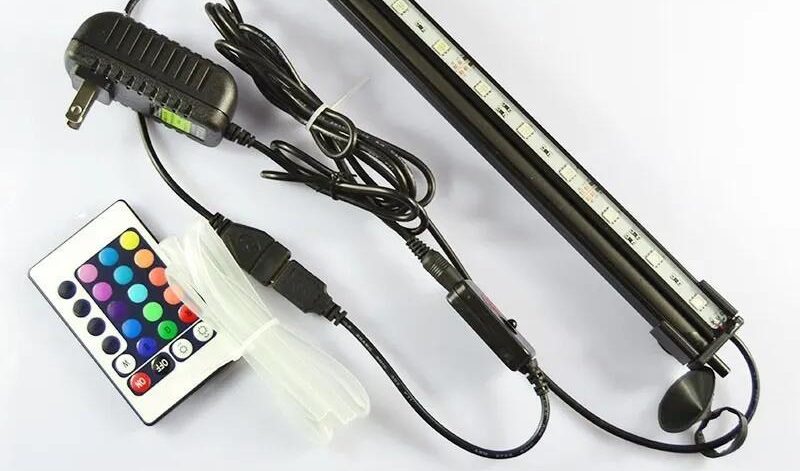
RGB LED Strips: These strips offer customizable color options, allowing you to create various lighting effects.
High-Intensity LED Strips: Ideal for tanks with dense vegetation or corals that require intense lighting.
How to Install LED Strip Lights in a Fish Tank
Proper installation of LED strip lights in your aquarium is crucial for both aesthetics and safety. Follow these steps for a successful setup:
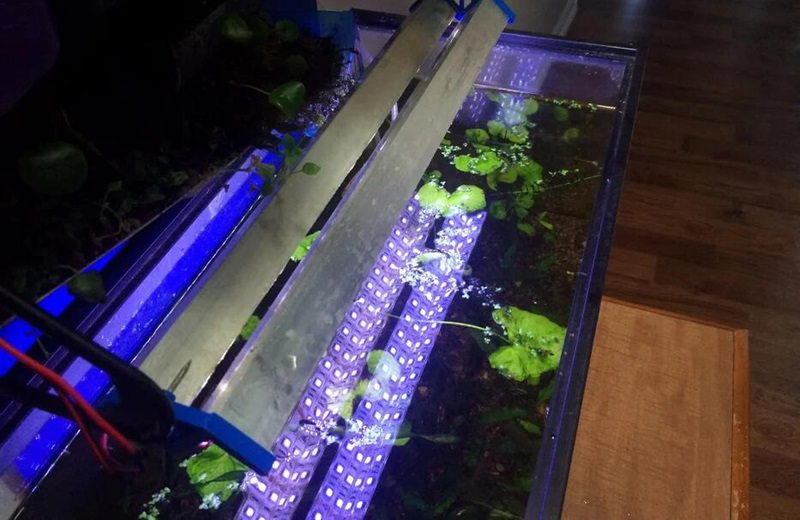
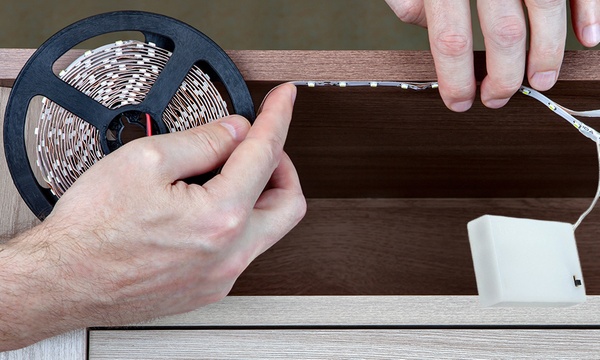
Measure and Cut: Measure the length of the tank and cut the LED strip lights to fit, following the manufacturer's guidelines.
Clean the Surface: Ensure the tank surface is clean and dry before attaching the lights.
Attach the Strips: Use adhesive backing or mounting clips to secure the LED strips to the tank.
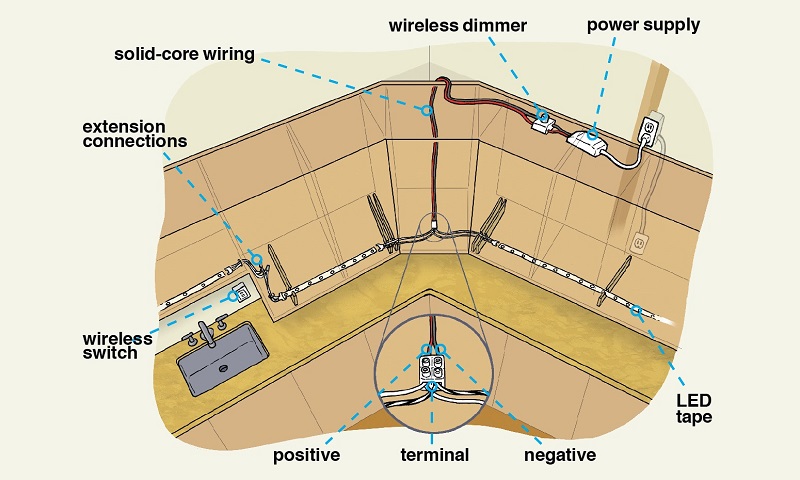
Connect the Power Supply: Safely connect the LED strips to the power supply, keeping all connections dry and away from water.
Test the Lights: Before finalizing the installation, test the lights to ensure they are functioning correctly.
Safety Precautions When Using LED Strip Lights in Aquariums
When incorporating LED strip lights into your aquarium, safety is a top priority. Ensuring that the setup is both effective and secure will protect your aquatic pets and maintain a healthy tank environment. Here are key safety precautions to follow:
Use Waterproof Lights
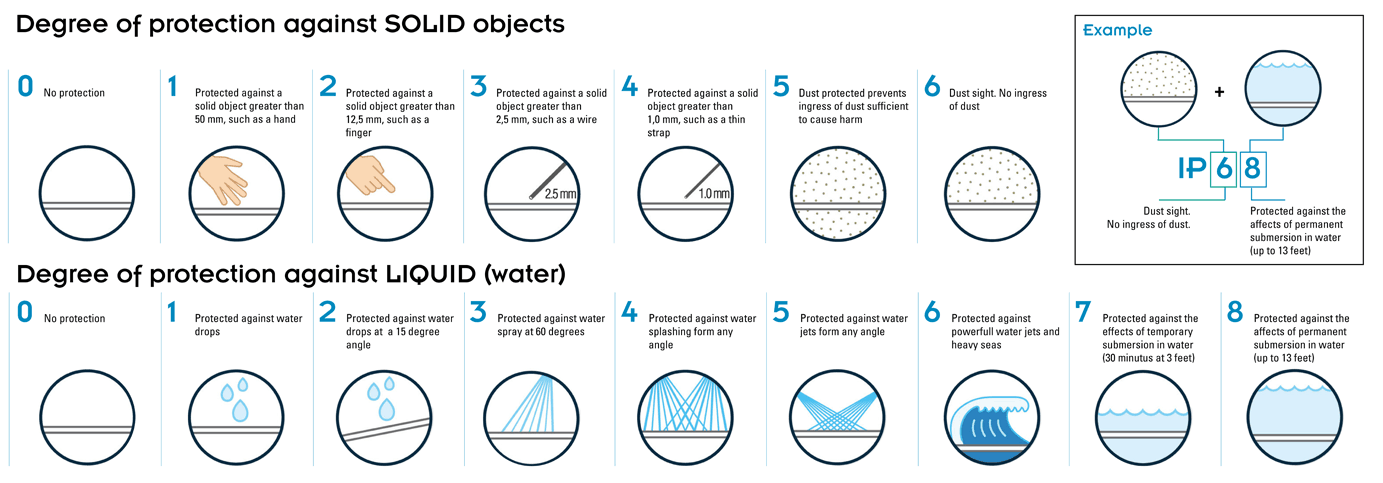
One of the most critical safety measures is to use waterproof LED strip lights specifically designed for aquatic use. Standard LED strips can be hazardous if they come into contact with water, leading to potential electrical shocks or short circuits. Waterproof LED lights are coated with a protective layer that prevents water ingress, safeguarding both the lighting system and the inhabitants of your tank. Look for lights with an IP65 or higher rating, which indicates a sufficient level of water resistance suitable for aquarium environments.
Avoid Direct Water Contact
Even with waterproof LED strip lights, it's essential to avoid direct contact with water. Position the lights above the waterline or use a canopy to shield them from splashes and condensation. Keeping the lights and their connections dry minimizes the risk of electrical hazards. Ensure that all power sources and controllers are placed in a dry area, preferably outside the tank, and use drip loops on all cords to prevent water from running along the cable into the electrical outlets.
Secure Wiring
Properly securing the wiring is another crucial aspect of safe installation. Loose wires can easily get wet or be chewed by fish, leading to dangerous situations. Use cable clips or adhesive mounts to neatly organize and secure the wiring along the tank's exterior. Keep all connections well above the waterline and ensure that any junctions are tightly sealed. Consider using waterproof connectors or heat-shrink tubing for added protection. Regularly check the wiring for any signs of wear or damage and replace any compromised sections immediately.
Monitor Heat Output
While LED lights are known for their low heat output compared to traditional lighting options, it's still important to monitor the tank's temperature. Excessive heat can stress your fish and affect their health. Position the LED lights in a way that allows for adequate ventilation and consider using a fan or a cooling system if you notice any significant temperature increases. Regularly check the water temperature with a reliable thermometer and adjust the lighting duration or intensity if necessary to maintain a stable environment.
Choosing the Right Color Temperature for Your Aquarium
Selecting the appropriate color temperature for your aquarium lighting is essential for both the health of your aquatic life and the aesthetic appeal of your tank. Different color temperatures can significantly impact plant growth, fish behavior, and the overall ambiance of your aquarium. Here’s a detailed look at the various options:

Cool White (6500K)
Cool white LED lights, typically around 6500K, are ideal for freshwater tanks. This color temperature closely resembles natural daylight, which is beneficial for promoting the growth of aquatic plants. Plants in freshwater aquariums rely on light for photosynthesis, and cool white LEDs provide the necessary spectrum to stimulate robust growth and vibrant foliage. Additionally, this lighting enhances the natural colors of your fish, making their hues more vivid and striking.
Warm White (3000K)
Warm white LED lights, usually around 3000K, are suitable for creating a cozy and inviting ambiance in your aquarium. This color temperature emits a soft, yellowish light that can enhance the natural colors of plants and fish in a more subdued manner compared to cool white lights. Warm white LEDs are often preferred in planted tanks where the goal is to replicate the warm, dappled light of a natural riverbed or forest stream.
Full Spectrum
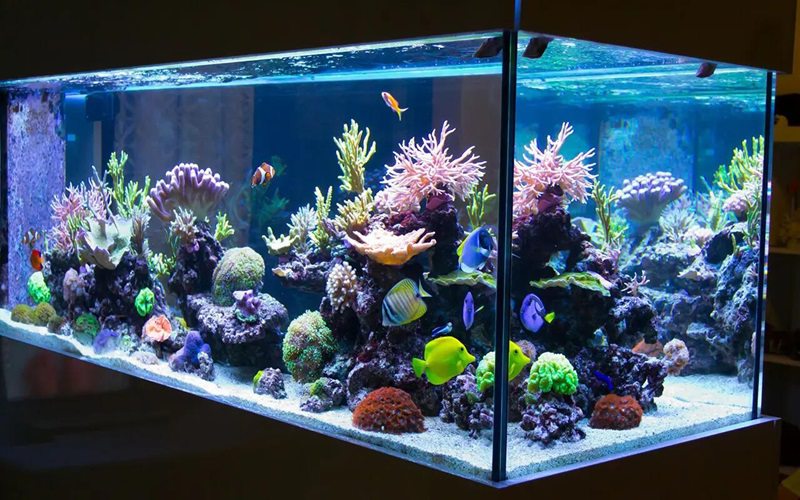
Full-spectrum LED lights are designed to mimic the complete range of natural sunlight, offering a balanced light that includes all the wavelengths necessary for both freshwater and saltwater tanks. This type of lighting is particularly beneficial for tanks with a diverse range of plants and corals, as it supports photosynthesis and promotes healthy growth. Full-spectrum lights enhance the colors of fish, plants, and corals, creating a vibrant and dynamic display.
RGB Lighting
RGB (Red, Green, Blue) LED lighting offers customizable color options, allowing you to create various lighting effects and highlight specific features of your tank. RGB LEDs can be adjusted to produce different colors and intensities, enabling you to tailor the lighting to your preferences and the needs of your aquarium inhabitants. This flexibility makes RGB lighting popular among aquarists who enjoy experimenting with different visual effects and creating unique atmospheres.
Waterproof LED Strip Lights for Fish Tanks
Waterproof LED strip lights are essential for aquarium use to prevent electrical hazards and ensure longevity. Look for lights with:
IP65 Rating: Provides protection against water splashes and low-pressure water jets.
IP67 Rating: Offers higher water resistance, suitable for more immersive installations.
Proper Sealing: Ensure the strips are adequately sealed to prevent water ingress.
Maintaining LED Strip Lights in an Aquarium Environment
Regular maintenance of LED strip lights is crucial to ensure their longevity and performance. Follow these tips:
Clean the Lights: Periodically clean the lights with a soft cloth to remove algae and debris.
Inspect Seals: Check the waterproof seals for any signs of wear or damage and replace if necessary.
Monitor Performance: Regularly check the lights for flickering or dimming, which could indicate a problem.
Protect from Humidity: Ensure the lights and connections are protected from excessive humidity to prevent corrosion.
Common Mistakes to Avoid When Using LED Strip Lights in Fish Tanks
Avoid these common mistakes to ensure a successful LED strip light installation:
Using Non-Waterproof Lights: Always use waterproof LED strips designed for aquarium use.
Incorrect Installation: Follow the manufacturer's instructions carefully to avoid improper installation.
Overloading the Power Supply: Ensure the power supply can handle the total wattage of the LED strips.
Neglecting Maintenance: Regularly inspect and maintain the lights to prevent issues.
Ignoring Safety Precautions: Prioritize safety by keeping connections dry and secure.
Simulating sunrise and sunset using LED strip lights in fish tanks
Simulating sunrise and sunset using LED strip lights in fish tanks is a fantastic way to recreate natural lighting cycles that are beneficial for both the aesthetic appeal of the aquarium and the well-being of its inhabitants.
Replicating Natural Lighting Cycles
In the wild, aquatic life experiences gradual changes in light intensity and color temperature throughout the day. This natural cycle influences the behavior, metabolism, and biological rhythms of fish, plants, and other organisms. By mimicking these light changes in your aquarium, you can create a more harmonious and natural environment for your aquatic pets.
Programming LED Strip Lights
LED strip lights can be programmed with specialized controllers or timers to simulate sunrise and sunset effects effectively. During the sunrise phase, the lights can start with a gentle, dim glow of warm-colored light that gradually increases in intensity. This gradual brightening not only mimics the gradual onset of daylight but also helps to gently awaken the fish and prepare them for the active daytime period.
As the day progresses, you can adjust the color temperature of the LED lights to transition from warm colors (such as reds and oranges) to cooler tones (such as blues and whites), replicating the natural progression of sunlight throughout the day. This dynamic lighting not only enhances the visual appeal of your aquarium but also supports the natural behaviors of your fish and encourages healthy plant growth.
Benefits for Aquarium Inhabitants
Simulated sunrise and sunset cycles can have several benefits for aquarium inhabitants:
Reduced Stress: Gradual changes in lighting reduce stress levels among fish and other aquatic organisms, as abrupt changes in light can startle or disorient them.
Natural Behavior: Mimicking natural lighting cycles encourages natural behaviors such as feeding, breeding, and resting, contributing to the overall well-being of your aquarium's inhabitants.
Plant Health: For planted tanks, adjusting light intensity and color temperature supports photosynthesis and promotes healthy plant growth. Plants thrive under conditions that simulate natural sunlight cycles, ensuring they receive adequate light for optimal development.
FAQs
1. Do LED strip lights affect water temperature in fish tanks?
LED strip lights produce minimal heat compared to traditional aquarium lighting, making them unlikely to significantly impact water temperature. However, it's essential to monitor temperature changes and ensure adequate ventilation around the lights.
2. Can LED strip lights promote plant growth in aquariums?
Yes, LED strip lights with appropriate color temperatures (such as cool white or full spectrum) can promote healthy plant growth by providing the necessary light spectrum for photosynthesis.
3. Can LED strip lights be dimmed in fish tanks?
Yes, many LED strip lights are compatible with dimming controllers or dimmable power supplies, allowing you to adjust the brightness levels according to your preferences or the needs of your aquarium inhabitants.
4. Can LED strip lights be used for both freshwater and saltwater aquariums?
Yes, LED strip lights are versatile and can be used in both freshwater and saltwater aquariums. Ensure to choose lights with appropriate waterproofing and lighting spectrum suitable for your specific tank setup.
5. Do LED strip lights emit UV light?
Most LED strip lights do not emit significant amounts of UV light, especially if they are designed for aquarium use. However, it's essential to check the specifications of the lights to ensure they meet the requirements of your tank inhabitants.
6. How do you choose the right wattage for LED strip lights in a fish tank?
The wattage of LED strip lights should be chosen based on the size of your aquarium and the lighting needs of your plants and fish. Calculate the total wattage needed to adequately illuminate the tank, considering factors such as light intensity and duration.
7. Can LED strip lights be used with timers in fish tanks?
Yes, LED strip lights can be used with timers to automate lighting schedules for your aquarium. Timers help maintain consistent lighting cycles, which are crucial for the health and well-being of fish and plants.
8. Are there any tips for reducing algae growth when using LED strip lights?
To minimize algae growth, avoid excessive lighting duration and intensity. Opt for LED lights with appropriate color temperatures and ensure regular maintenance, such as cleaning the lights and performing water changes to maintain water quality.
Conclusion
In conclusion, integrating LED strip lights into your fish tank can enhance its beauty and functionality, providing energy-efficient, customizable lighting options that benefit both your aquatic plants and fish. By following proper installation practices, choosing the right color temperature, and observing essential safety precautions, you can create a safe and visually stunning environment for your aquarium inhabitants.
With careful planning and attention to detail, LED strip lights can transform your fish tank into a captivating underwater world, enriching the experience for both you and your aquatic pets. Explore the possibilities and enjoy the beauty of illuminated aquatic life in your home or office setting.
LED Strip vs LED Tube Lights: Which Is Better?
Lighting Exhibition & Trade Shows in 2024: The Ultimate Guide
Related Article

Need an Instant Quote For Your Upcoming Projects?
Send us the details and we will get back to you within 12 hours.