
Are LED Strip Lights Safe For Dogs?
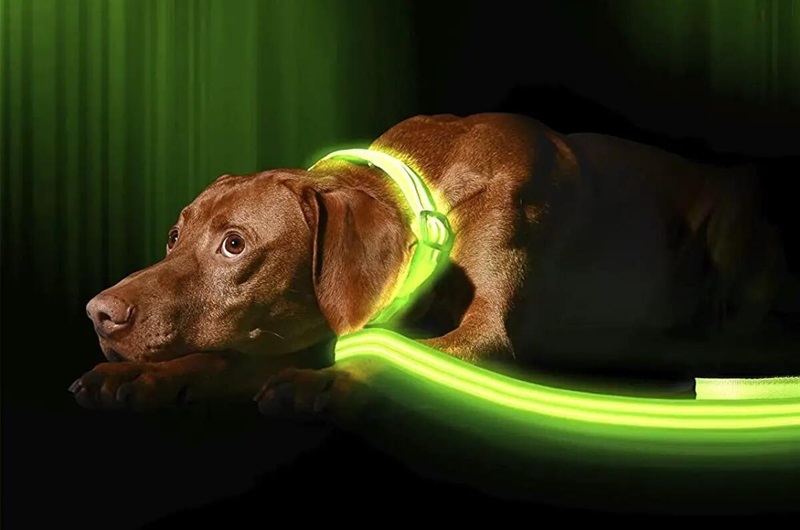
LED strip lights have become increasingly popular in recent years, offering versatile lighting solutions for various applications. From enhancing home décor to providing ambient lighting, LED strip lights have gained favor due to their flexibility, energy efficiency, and long lifespan. However, when it comes to using LED strip lights around dogs, concerns about their safety arise.
In this article, we will explore whether LED strip lights are safe for dogs and provide guidance on how to ensure the well-being of your four-legged friends when using them.
Understanding LED Strip Lights
Before delving into the safety aspects, let's gain a basic understanding of LED strip lights. LED strip lights consist of a flexible circuit board with multiple Light Emitting Diodes (LEDs) mounted on it. These strips are typically coated with a protective layer and come in various colors and lengths. LED strip lights offer a range of benefits, including energy efficiency, low heat emission, customizable lighting effects, and ease of installation.
Potential Safety Concerns for Dogs
While LED strip lights offer many advantages, several safety concerns must be considered when using them around dogs

LEDs emit some heat, and if not properly managed, they can cause burns to a dog's skin or paws. Dogs are curious creatures and may come in direct contact with the lights, especially if they are installed in low-lying areas.
2. Electrical Hazards and Chewability

Some dogs have a tendency to chew on objects, including electrical cords. If a dog chews on LED strip lights or their power cords, it can result in electrical shocks, burns, or even a fire hazard.
3. Brightness and Eye Sensitivity
Dogs have more sensitive eyes than humans, and exposure to bright lights can cause discomfort, eye strain, or even potential damage to their vision. The brightness and intensity of LED strip lights should be considered, especially if they are used in close proximity to where a dog spends most of its time.
4. Toxicity of Materials
Certain components of LED strip lights, such as adhesives or coatings, may contain toxic substances. If a dog chews on or ingests these materials, it can lead to health issues or poisoning.
Assessing the Safety of LED Strip Lights for Dogs

To determine the safety of LED strip lights for dogs, several factors need to be considered:
1. Heat Dissipation and Temperature Control
High-quality LED strip lights are designed to dissipate heat effectively. Proper heat management reduces the risk of burns and ensures that the lights remain at a safe temperature for both dogs and humans.
2. Quality and Durability of Materials
Choosing LED strip lights made from non-toxic and durable materials is crucial. Look for lights that are made from safe components and have a protective coating that is resistant to wear and tear.
3. Proper Installation and Placement
Installing LED strip lights securely and out of a dog's reach is vital. This includes ensuring that cords are concealed or protected to prevent chewing and that the lights are installed in locations where dogs cannot directly access them.
4. Dimming Options and Brightness Control
LED strip lights that offer dimming options or brightness control can be advantageous when used around dogs. This allows you to adjust the lighting intensity to a comfortable level for your furry companion, reducing eye strain and potential discomfort.
Precautions and Best Practices for Using LED Strip Lights Around Dogs
To ensure the safety of dogs when using LED strip lights, the following precautions and best practices should be observed:

1. Selecting Dog-Friendly LED Strip Lights
Choose LED strip lights specifically designed for pet-friendly environments. Look for lights that are labeled as non-toxic, waterproof, and durable. Avoid lights with adhesive backings that may easily detach and become a choking hazard.
2. Proper Installation
Follow the manufacturer's instructions for installation carefully. Ensure that cords are securely fastened and hidden from your dog's reach. Consider using cable protectors or cord covers to prevent chewing.
3. Monitoring and Supervision
Monitor your dog's behavior around LED strip lights, especially initially. Observe any signs of curiosity, chewing, or discomfort. Provide proper supervision and intervene if necessary to prevent any potential hazards.
4. Regular Maintenance and Inspections
Regularly inspect the LED strip lights and their connections to ensure they remain in good working condition. Check for any signs of damage, loose connections, or exposed wires. Promptly replace any faulty components to maintain a safe environment for your dog.
People also ask
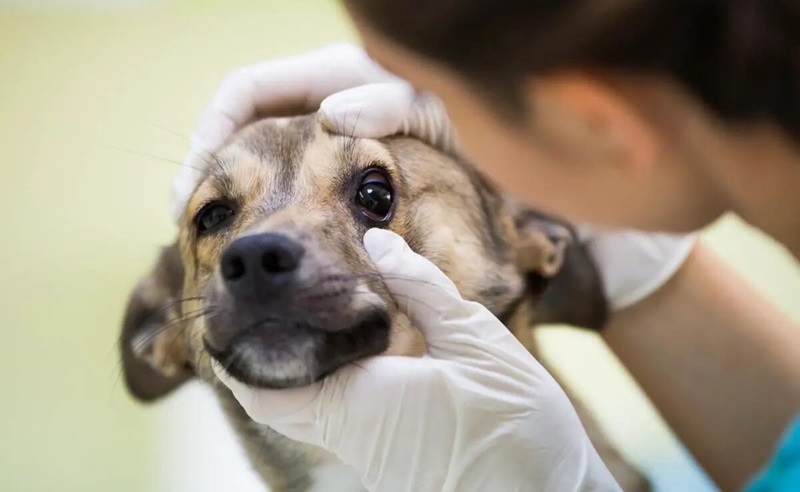
No, LED lights are not harmful to a dog's eyes. They emit a steady, low-intensity light that is safe for pets. However, avoid using excessively bright lights to prevent discomfort.
Yes, if a dog chews on LED strip lights, there's a risk of ingesting small parts. Ensure the lights are securely installed and keep an eye on your dog to prevent any chewing.
3. Are there specific colors of LED lights that are better for dogs?

Dogs generally respond well to softer colors like blue or green. Avoid using intense or rapidly changing colors, as they may cause stress or anxiety in some dogs.
4. How can I make LED strip lights safer for my dog?
Ensure proper installation, use waterproof and pet-safe materials, and supervise your dog's interaction with the lights. Regularly check for loose wires or damage to minimize potential risks.
5. Are there any health concerns associated with prolonged exposure to LED strip lights for dogs?
Prolonged exposure to bright lights may impact a dog's sleep patterns. It's advisable to turn off the lights during the night or when your dog is resting to promote a healthy sleep routine.
6. How can I acclimate my dog to LED strip lights?
Gradually introduce the lights in a controlled manner. Start with short exposure periods and use positive reinforcement like treats or play to associate the lights with positive experiences, helping your dog become accustomed to them.
7. Are there any specific precautions for using LED strip lights around puppies?
Puppies may be more curious, so secure the lights well out of their reach. Supervise closely and provide appropriate chew toys to redirect their attention, minimizing the risk of chewing on the lights.
Conclusion
LED strip lights can be safe for dogs when appropriate precautions and best practices are followed. Considering factors such as heat dissipation, quality of materials, proper installation, and brightness control can significantly reduce potential risks. It is essential to prioritize the well-being and safety of your pets when using LED strip lights. By doing so, you can enjoy the benefits of these versatile lighting solutions while ensuring a pet-friendly environment for your beloved four-legged companions.
How to Remove LED Strip Light From Wall? --Hanron lighting
17 creative ideas to decorate bedroom with led strip light
Related Article

Need an Instant Quote For Your Upcoming Projects?
Send us the details and we will get back to you within 12 hours.