
Yoga Studio Lighting: Transform Your Space for Ultimate Relaxation
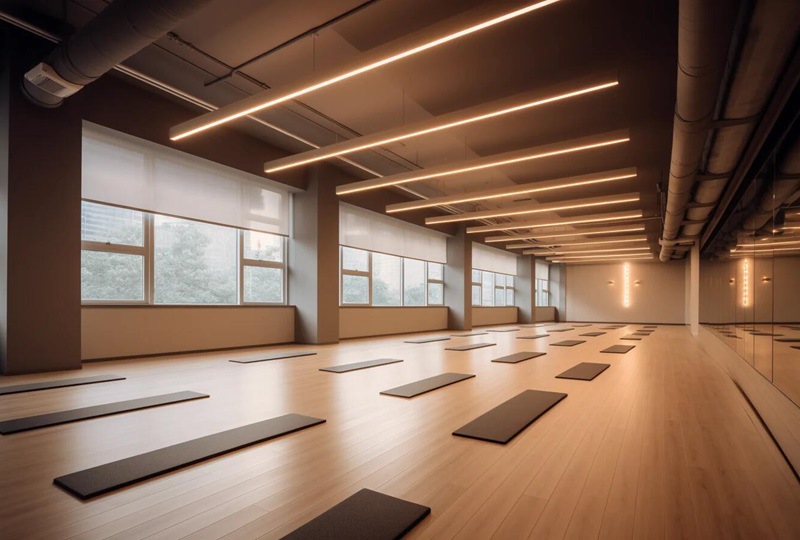
Lighting might not be the first thing that comes to mind when setting up a yoga studio, but it’s incredibly important. The right lighting can completely change the feel of the space, making it either calming and inviting or harsh and uncomfortable. Whether you’re a yoga teacher, studio owner, or a regular practitioner, knowing how to use lighting effectively can really enhance your yoga experience.
In this post, I’ll show you how to use lighting to turn your yoga studio into a peaceful retreat. You’ll learn about different types of lighting, how to choose the best options for your studio, and how to create a lighting plan that fits different types of yoga sessions. By the end, you’ll know exactly how to set up lighting that makes your studio a serene place to practice.
Understanding the Importance of Lighting in Yoga Studios
1). The Connection Between Lighting and Relaxation
Lighting profoundly affects our physical and psychological well-being. In a yoga studio, where the goal is often to achieve a state of deep relaxation and mental clarity, the lighting must be conducive to this purpose. Bright, cool-toned lighting can be stimulating and energizing, which may be beneficial for certain types of yoga like Vinyasa or Power Yoga. However, for restorative practices like Yin Yoga or meditation, warmer, softer lighting is preferable as it creates a calming atmosphere. Studies have shown that warm lighting can help reduce stress and promote relaxation by lowering cortisol levels, the body's primary stress hormone. Therefore, the lighting in your studio should align with the desired mental and physical state that your yoga practice aims to achieve.
2). The Role of Lighting in Yoga Practices

Different styles of yoga may require varying lighting setups to support the specific goals of the practice. For instance, a bright, well-lit space might be ideal for dynamic and energetic yoga sessions, where participants need to stay alert and focused. In contrast, dimmed lighting, possibly even with the use of candles or soft accent lights, is more suitable for slow-paced practices like Hatha or Yin Yoga, where the focus is on deep stretching, breathing, and relaxation. By understanding the role that lighting plays in each type of yoga, you can tailor your studio's ambiance to enhance the effectiveness of your sessions. This section will explore how lighting can be adjusted to meet the needs of different yoga practices, ensuring that each session is as beneficial as possible for the participants.
Types of Lighting Suitable for Yoga Studios
1). Natural Lighting
Natural light is ideal for yoga studios as it connects practitioners with the outdoors, boosting mood and energy levels. Large windows, skylights, or glass doors can fill the studio with daylight, creating a bright and airy atmosphere. However, it's important to use curtains or blinds to diffuse direct sunlight and avoid glare, especially during midday when the sun is strongest.
2). Ambient Lighting

Ambient lighting provides overall illumination, setting a calming tone throughout the studio. It ensures even light distribution without harsh shadows. Recessed lighting, track lighting, and diffused ceiling lights are great options for creating a soft, welcoming environment that supports relaxation.
3). Task Lighting
Task lighting focuses light on specific areas like the instructor's space or reading corners, making the studio functional and versatile. Adjustable floor lamps and wall sconces work well for directing light where needed, allowing flexibility for different activities, such as demonstrations or meditation sessions.
4). Accent Lighting
Accent lighting adds decorative touches to the studio, enhancing the ambiance by highlighting features like art pieces or meditation areas. Soft LED strips, candles, and Himalayan salt lamps are excellent choices for adding warmth and depth to the space, contributing to a serene and inviting atmosphere.
Choosing the Right Color Temperature for Relaxation
1). Understanding Color Temperature
Color temperature, measured in Kelvins (K), determines the hue of light, ranging from warm (yellowish) to cool (bluish) tones. Warm light (2700K-3000K) gives off a cozy, amber glow like a sunset, promoting relaxation. Cool light (5000K and above) mimics daylight and feels more energizing. In a yoga studio, warm light is typically preferred to create a serene and calming atmosphere.
2). Best Color Temperatures for Yoga Studios

For a relaxing yoga environment, warm light between 2700K and 3000K is ideal. This soft, amber glow helps reduce stress and encourages a peaceful state of mind, perfect for meditation and mindfulness practices. Using dimmable lights adds flexibility, allowing you to adjust the brightness for different classes, ensuring the lighting suits both energizing and calming sessions.
How to Design a Lighting Plan for Your Yoga Studio (Continued)
1). Assessing Your Space
Evaluation: Before designing your lighting plan, it's crucial to assess your studio's layout, size, and natural light sources. Start by identifying the areas that receive the most natural light and those that are darker or shadowed. This will help you determine where additional lighting is needed. Consider the studio's ceiling height, as higher ceilings may require more powerful or strategically placed lighting fixtures to ensure even illumination. Also, take note of any architectural features, such as beams or alcoves, which could either block light or serve as potential spots for accent lighting. Understanding the unique characteristics of your space will guide your decisions on the types of lighting to use and where to place them for maximum effect.
2). Layering Your Lighting
Concept of Layering: Layering your lighting involves combining different types of lighting—ambient, task, and accent—to create a balanced and dynamic lighting scheme. This approach allows you to adjust the lighting according to the needs of each yoga session, whether it's a high-energy class that requires brighter lighting or a restorative session that benefits from a softer, more soothing glow.
Examples: For instance, you might use recessed ambient lighting to provide general illumination throughout the studio, supplemented by task lighting around the instructor's area to ensure clear visibility during demonstrations. Accent lighting, such as LED strips or Himalayan salt lamps, can then be added to create focal points and enhance the ambiance. By layering these different types of lighting, you can create a versatile space that adapts to various yoga practices while maintaining a consistent, calming atmosphere.
3). Incorporating Dimmable and Smart Lighting

Dimmable Lights: Dimmable lights are a key component of a well-designed yoga studio lighting plan. They allow you to control the intensity of the lighting to suit different moods and activities. For example, you might want brighter lighting during a morning class to energize participants and dimmer, softer lighting for an evening class to help everyone wind down. Dimmers also help extend the lifespan of your bulbs and reduce energy consumption, making them a practical and eco-friendly choice.
Smart Lighting: Smart lighting systems take flexibility to the next level by allowing you to control the lights through an app or voice commands. With smart lighting, you can easily adjust the color temperature, brightness, and even create preset lighting scenes for different types of classes. For example, you could have a "Meditation Mode" that dims the lights to a warm, amber glow, or a "Flow Mode" that brightens the space with cooler, more energizing light. Smart lighting systems also often integrate with other smart home devices, allowing you to create a fully automated and customizable studio environment.
5. Tips for Enhancing the Atmosphere with Lighting
1). Using Lighting to Define Different Areas
Creating Zones: In larger studios, or those with multifunctional spaces, lighting can be used to define different areas within the studio. For instance, you might use brighter, focused lighting in the main practice area to keep the energy up, while softer, warmer lighting could be used in a relaxation or meditation corner. If your studio includes a retail space or a seating area, different lighting styles can help delineate these spaces while maintaining an overall cohesive look. This zoning approach ensures that each area serves its intended purpose and enhances the overall flow and functionality of the studio.
2). Incorporating Nature-Inspired Lighting Elements
Natural Elements: Bringing elements of nature into your lighting design can enhance the calming and restorative atmosphere of your studio. For example, you could use light fixtures that mimic natural forms, such as a chandelier that resembles a tree branch or pendant lights shaped like leaves. Incorporating water features, like a small fountain, and placing lights around it can create a soothing visual and auditory experience. Plants also play a crucial role in a yoga studio, and using spotlights or LED strips to highlight greenery can make the space feel more alive and tranquil. These nature-inspired elements help create a holistic environment that supports relaxation and mindfulness.
3). Avoiding Common Lighting Mistakes
Overly Bright or Harsh Lighting: One of the most common mistakes in yoga studio lighting is using lights that are too bright or harsh, which can create an uncomfortable or clinical atmosphere. It's important to choose lighting that is soft and diffused to avoid glare and harsh shadows. Overly bright lights can also strain the eyes and distract from the meditative focus that yoga requires.
Preventing Glare and Light Pollution: Glare from poorly placed lights can be disruptive during yoga practice, especially when moving between poses that involve looking upwards. Ensure that lights are positioned in a way that minimizes direct glare into the eyes. Additionally, consider the impact of light pollution—too much light spilling outside the studio can disturb the tranquility of the surrounding environment and affect the overall ambiance. Using dimmers, shades, or directional lighting can help control and reduce glare and light pollution.
6. Case Studies: Successful Yoga Studio Lighting Examples
1). Studio A: Urban Zen

Urban Zen is a yoga studio located in a bustling city center. Despite its urban location, the studio has successfully created a peaceful retreat by carefully balancing natural and artificial lighting. The large windows allow for abundant natural light during the day, which is softened by sheer curtains to create a gentle, diffused glow. In the evening, recessed ambient lighting combined with warm-toned accent lights around the perimeter of the room ensures a calm and inviting atmosphere, perfect for winding down after a long day. The lighting setup in Urban Zen demonstrates how even a studio in a busy, bright environment can achieve a serene, relaxing space.
2). Studio B: Serene Sanctuary
Serene Sanctuary is a boutique yoga studio that specializes in restorative and meditative practices. The lighting design is integral to creating a deeply relaxing environment. The studio uses a combination of warm ambient lighting and soft accent lights, such as Himalayan salt lamps and candles, to create a cozy, intimate atmosphere. The use of dimmable lights allows instructors to adjust the lighting according to the mood of the class, enhancing the sense of peace and tranquility. The lighting in Serene Sanctuary exemplifies how a carefully curated lighting scheme can enhance the restorative aspects of yoga.
3). Studio C: Flow and Glow
Flow and Glow is a modern yoga studio that offers a variety of classes, from energetic Vinyasa to calming Yin Yoga. The studio uses smart lighting technology to easily transition between different lighting setups. For dynamic classes, the lighting is bright and cool-toned to energize participants, while for meditative practices, the lights are dimmed and warm to promote relaxation. The smart lighting system allows instructors to control the lighting with just a touch or voice command, making it easy to create the perfect ambiance for each class. Flow and Glow’s use of versatile, smart lighting showcases how technology can be integrated into yoga studio design to enhance the practice experience.
FAQs
1). How does lighting affect a yoga practice?
Lighting affects the mood, energy levels, and focus during yoga practice. Soft, warm lighting can help relax and calm the mind, while brighter lighting can energize and improve concentration.
2). Can I use LED lights in my yoga studio?
Yes, LED lights are a great option for yoga studios. They are energy-efficient, long-lasting, and come in various color temperatures to suit different moods and practices.
3). Should I use dimmable lights in a yoga studio?
Yes, dimmable lights are highly recommended. They allow you to adjust the lighting to match the energy and type of yoga practice, whether it’s a bright, energizing session or a calm, restorative one.
4). How can I maximize natural light in my yoga studio?
To maximize natural light, use large windows, skylights, or glass doors. You can also use sheer curtains or blinds to diffuse the light and reduce glare while maintaining privacy.
5). Can I use candles in my yoga studio?
Yes, candles can add a warm, soothing ambiance to your studio. However, if you’re concerned about safety, consider using flameless LED candles that mimic the flickering effect of real candles.

6). How do I avoid glare in my yoga studio?
To avoid glare, position lights so they don’t shine directly into the eyes, especially during poses where participants are looking upwards. Use diffused lighting or shades to soften harsh light sources.
7). Is it necessary to use all three types of lighting (ambient, task, accent) in a yoga studio?
While not strictly necessary, using a combination of ambient, task, and accent lighting can create a more versatile and well-balanced environment that enhances the overall experience for different types of yoga practices.
8). What are the benefits of using LED lights in a yoga studio?
LED lights are energy-efficient, long-lasting, and available in a range of color temperatures. They can also be dimmed, making them ideal for creating the perfect ambiance in a yoga studio.
Conclusion
In this post, we’ve explored the essential role that lighting plays in creating a yoga studio environment that supports relaxation and mindfulness. From understanding the psychological effects of lighting to choosing the right types and color temperatures, and designing a layered lighting plan, we've covered all the key aspects needed to transform your space into a serene retreat.
Maximize Your Barber Shop's Appeal: How to Choose the Perfect Lighting
How to Choose Lighting for Jewelry Stores?
Related Article

Need an Instant Quote For Your Upcoming Projects?
Send us the details and we will get back to you within 12 hours.