ETL vs UL for LED Strip Lights
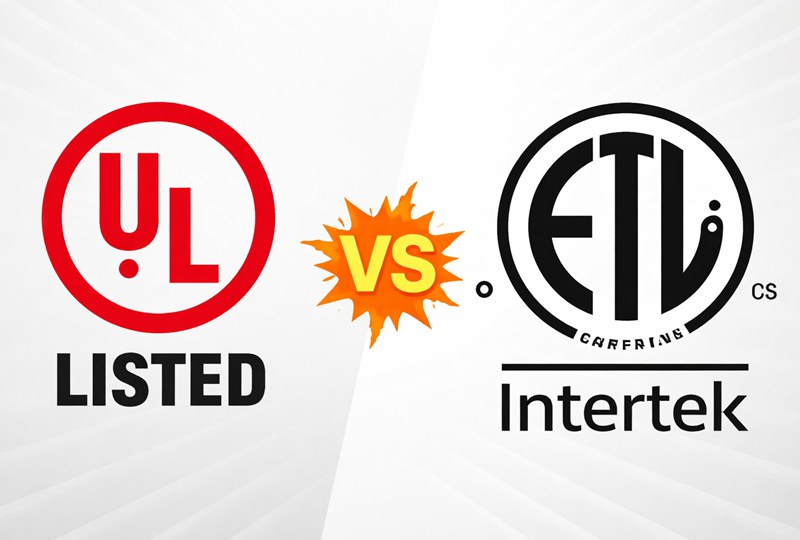
When purchasing LED strip lights, many buyers encounter two important safety certifications: UL (Underwriters Laboratories) and ETL (Electrical Testing Laboratories). Both certifications indicate that the product has been tested and meets industry safety standards, but what sets them apart? In this article, we will explore both certifications, highlight their differences, and offer insights into which one is best suited for different applications.
What is UL Listed?
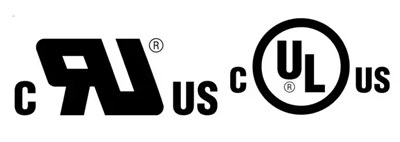
UL (Underwriters Laboratories) is one of the most well-established and trusted certification bodies in the world. Founded over a century ago, UL develops and tests safety standards for a wide range of products, including LED lighting systems. UL certification is recognized in many industries, particularly in North America, where it is often required for insurance and building code compliance.
For LED strip lights, UL Listed means that the product has passed rigorous performance and safety tests, covering critical aspects like:
- Electrical safety
- Fire resistance
- Product durability
- Energy consumption
UL Listing is considered the gold standard for safety, especially in the U.S. and Canada.
What is ETL Listed?
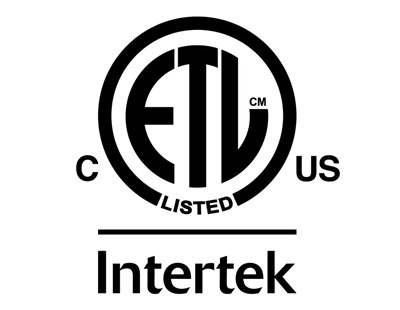
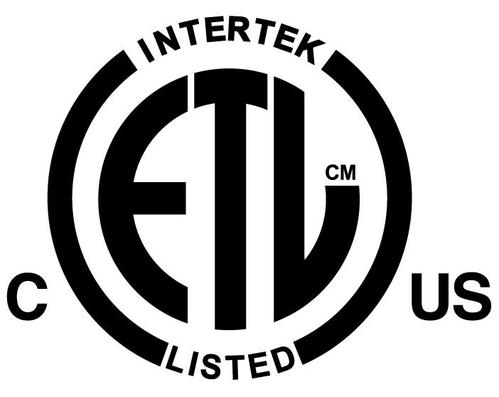
ETL (Electrical Testing Laboratories) is another prominent Nationally Recognized Testing Laboratory (NRTL), and a division of Intertek, a global testing and certification company. Like UL, ETL tests products to ensure they meet safety standards, but ETL does not develop its own safety standards. Instead, ETL tests products according to the safety standards developed by other recognized bodies, including UL.
Key points about ETL Listed LED strip lights:
- ETL certification ensures that the product has been tested for safety and meets applicable industry standards.
- ETL is often seen as a cost-effective alternative to UL, offering faster and more affordable certification processes for manufacturers.
- While it doesn't develop safety standards, ETL’s testing methods are comparable to UL’s.
Key Differences Between UL and ETL
While both UL and ETL certifications serve the same basic purpose—ensuring safety and performance—there are some notable differences:
| Aspect | UL Listed | ETL Listed |
| Certification Body | Underwriters Laboratories (USA) | Intertek (USA) |
| Standards Development | UL develops its own safety standards | ETL tests to UL standards, among others |
| Testing Process | Extensive, often takes more time | Faster, more cost-effective |
| Industry Recognition | Highly recognized in the U.S. and Canada | Widely recognized, but often considered secondary to UL |
| Compliance | Often required by building codes and insurance | Accepted by most regulatory bodies |
| Cost | Typically higher due to comprehensive testing | More affordable for manufacturers |
Which Should You Choose for Your LED Strip Lights?
The choice between UL and ETL often depends on your project requirements and market needs:
UL Listing may be required for high-risk installations, such as commercial lighting or building systems that need to meet insurance and regulatory standards. It is also a trusted mark for consumers who prioritize safety.
ETL Listing is a good alternative for manufacturers who want a faster and more affordable certification process without compromising on safety. ETL is still widely accepted and can meet the same standards as UL, but with fewer hurdles.
Are LED Strip Lights Exempt from UL or ETL?
Some consumers may wonder if low voltage LED strip lights (12V and 24V) are exempt from these certifications. In the U.S., under the National Electric Code (NEC), LED strips that operate at 30 volts or less are still required to meet safety standards, regardless of their low voltage classification.
Specifically, NEC article 411 addresses the requirements for lighting systems under 30V and stipulates that these systems must be listed as a complete system. This means that LED strip lights, power supplies, and fittings must be tested and certified as part of a listed system, whether they are UL or ETL certified .
What Happens If UL or ETL Listing is Not Required?
While UL or ETL certification is not legally mandated for every LED strip light (depending on installation), non-listed products can still pose higher risks in terms of:
- Electrical hazards
- Fire safety
- Liability issues
It’s important to note that installing non-listed LED strips might be permissible in certain cases, especially if the installation is inspected by the Authorities Having Jurisdiction (AHJ). However, it increases the risk of damage or injury and may lead to legal consequences if something goes wrong. It's always safer to go with certified products that meet UL or ETL standards.
Which Products from Hanron Lighting Are ETL Certified?
Most of Hanron Lighting's products have passed ETL certification, ensuring they meet safety standards and are suitable for global markets. Our ETL-certified products mainly include LED neon lights, COB LED strips, 2835 LED strips, 5050 LED strips, 2216 LED strips, and more. These products have undergone rigorous testing to meet safety requirements, providing high-quality lighting solutions for our customers. If you would like to know more details or inquire about specific products, feel free to contact our team, and we will be happy to assist you.
Conclusion
Both UL and ETL certifications signify that a LED strip light has been tested for safety and compliance with industry standards. The choice between the two depends on your budget, timeline, and specific project needs.
UL Listed is the preferred choice for regulatory compliance in high-risk scenarios.
ETL Listed offers faster, more cost-effective certification, without compromising on safety.
Ultimately, the safety and reliability of your LED strip lights should be your top priority. Choosing certified products, whether UL or ETL, ensures that you’re investing in quality and compliance—protecting both your property and those who use the lights.
How to cut connect and install LED Sheet Lights
How to wire DMX pixel addressable LED Strip Light
Related Article



Need an Instant Quote For Your Upcoming Projects?
Send us the details and we will get back to you within 12 hours.