
How to Light Shelves With LED Strips?
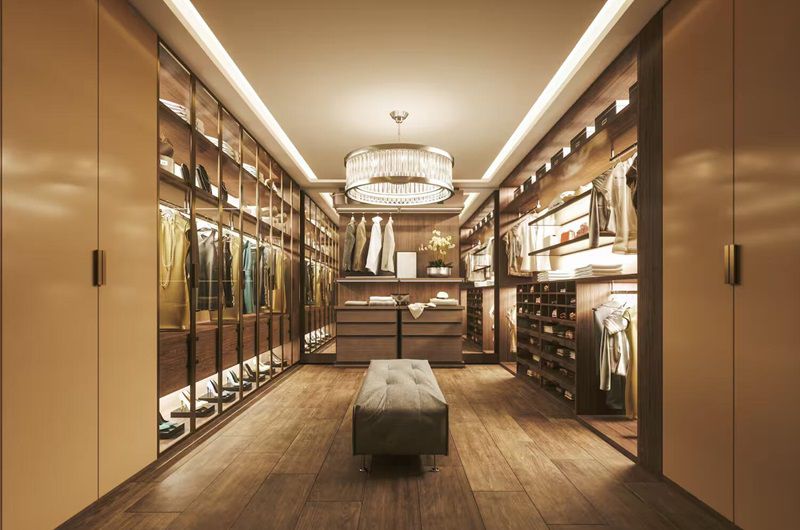
Lighting up your shelves with LED strips is a fantastic way to transform them from simple storage units into statement pieces that enhance your room's atmosphere and functionality. Whether you're looking to add ambiance to a living room, highlight treasured books and memorabilia, or brighten up your workspace, LED strips are a versatile, energy-efficient, and modern choice.
In this guide, we'll walk you through the steps to light your shelves with LED strips and cover essential considerations to achieve the best results.
Why LED Strip Lights Are Popular for Shelf Lighting
LED strip lights are a popular choice for shelf lighting due to their flexibility, energy efficiency, and simplicity of installation. Here’s why they’re widely used to illuminate shelves:
1. Flexible Design: LED strips are easy to customize, allowing them to be cut and fitted to any shelf dimension. Their flexibility enables seamless installation along edges or under shelves, perfect for kitchens, closets, and living spaces.
2. Energy Efficiency and Durability: LED strips consume less power than traditional lighting and offer extended lifespan, making them a cost-effective, eco-friendly option for both home and commercial use.
3. Adjustable Brightness and Colors: With a range of brightness levels and color temperatures, LED strips allow for personalized lighting. Options for dimmability and color-changing RGB strips add ambiance and functionality.
4. Aesthetic Appeal: LED strips provide even, unobtrusive lighting, enhancing a space’s appearance by highlighting items without bulky fixtures.
5. Easy Installation: Most strips come with adhesive backing, making them ideal for DIY projects. Paired with accessories like aluminum profiles or motion sensors, they offer professional results without needing a complex setup.
Step-by-Step Guide to Lighting Shelves with LED Strips
1. Choose Your Lighting Style

2. Select Your LED Strips
1). Brightness: Choose LED brightness according to your lighting goals. For accent lighting, 150-300 lumens are sufficient, while task lighting typically requires 300-500 lumens. 2835 led strip and white cob led strip are the most popular led strip lights at the moment.
2). Color Temperature: Warmer tones (2700K-3000K) are ideal for cozy, relaxing spaces, while cooler tones (4000K-5000K) work well for brighter, functional workspaces.
3). Dimmability: Opt for dimmable LED strips to allow adjustable brightness based on the time of day or the activity, giving you flexibility for various needs.
4). Color Options: Generally, a single white LED strip (either warm or cool white) is the most suitable choice for shelves, as it provides a clean, sophisticated look. RGB or RGBW LED strips, which offer multiple colors, may not suit shelves where focused, elegant lighting is preferred over decorative color-changing effects.
3. Prepare the Area
- Clean the surfaces where the LED strips will be installed to remove dust and grease, which will improve adhesion and contribute to a smooth, professional finish.
- Measure the shelf length and add an extra 10-15% to ensure precise coverage and accommodate any adjustments.
4. Choose an LED Aluminum Profile

5. Choose Your LED Power Supply
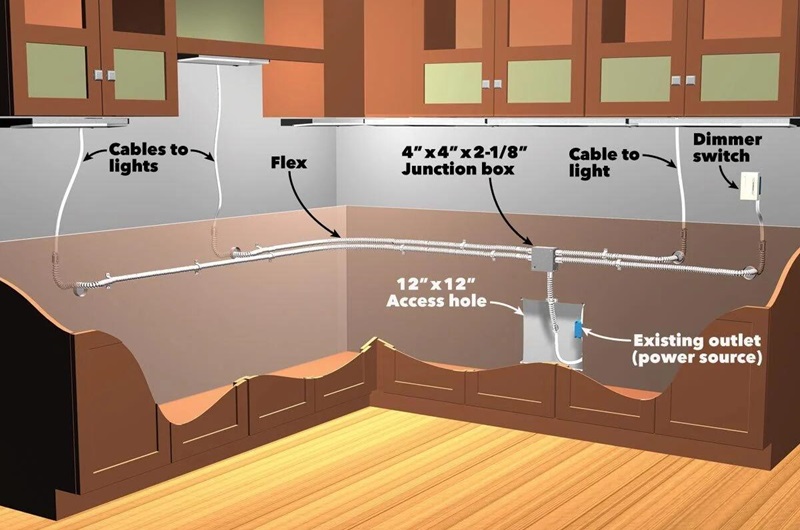
- Ensure the power source voltage matches the LED strips (usually 12V or 24V). For installations longer than 16.4 feet, consider using multiple power supplies or parallel wiring to maintain consistent brightness.
- Hide the power supply behind the shelves or within a nearby area to keep the setup clean and visually unobtrusive.
6. Install the LED Strips with Aluminum Profile
7. Set Up Controls with LED controllers
- Consider using remote or app-based dimmers for added convenience, which allow easy brightness adjustments without needing a separate wall switch.
- If you have a smart home system, explore voice-activated controls for hands-free operation, providing ultimate control over your shelf lighting.
What should we consider during the installation of LED strip to Shelves?
When installing LED strip lights on shelves, safety should be a primary focus. Here are key safety considerations:
1. Power Safety
2. Avoid Excessive Lengths in Series
3. Wiring and Connection Safety
4. Secure Mounting
5. Moisture Protection
7. Testing Before Installation
Top 7 Creative Ways to Light Up Shelves Using LED Strips
LED strip lighting is a versatile, modern way to enhance various spaces throughout your home, from closets to kitchens. Whether you’re creating a functional accent or adding subtle ambiance, LED strip lights provide an easy DIY approach to elevate the look and functionality of your shelves. Here are seven unique ideas to inspire your next shelf-lighting project:
1. Closet Shelf Lighting
Lighting shelves in a closet can make a big difference in visibility and convenience. Choose warm tones that complement closet interiors to provide a soft, inviting glow that helps you see without harsh glare. For a hassle-free setup, battery-powered LED strips are a great option for inside drawers or closet shelves, illuminating tough-to-reach areas such as shoe racks and drawer corners. This wireless option makes accessing and organizing closet contents much easier.
2. Bathroom Shelf Lighting
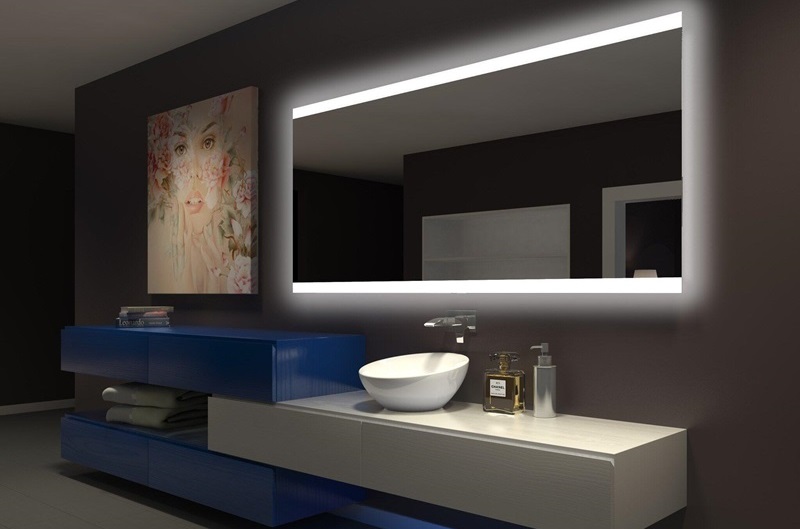
Bathroom shelf lighting can improve both aesthetics and functionality. Opt for LED strips with a high IP rating for moisture resistance, and use warm white tones for a comforting atmosphere. Mounting dimmable LED strips around the edge of shelves or cabinets provides clear, functional lighting for grooming tasks. For a sleek look, consider installing the LED strip 2-3 inches behind the shelf's front edge to give a modern, diffused effect around mirrors or bathroom shelving.
3. Office Shelf Lighting
A well-lit office shelf can contribute to both productivity and ambiance. Cool-toned LED strips (3500K-4000K) work well here, providing an energizing light for tasks or reading materials. You can mount these strips under or along the front of office shelves for practical task lighting. Adjustable brightness can create a vibrant and organized workspace, enhancing productivity while adding visual interest to your office setup.
4. Bar Shelf Lighting

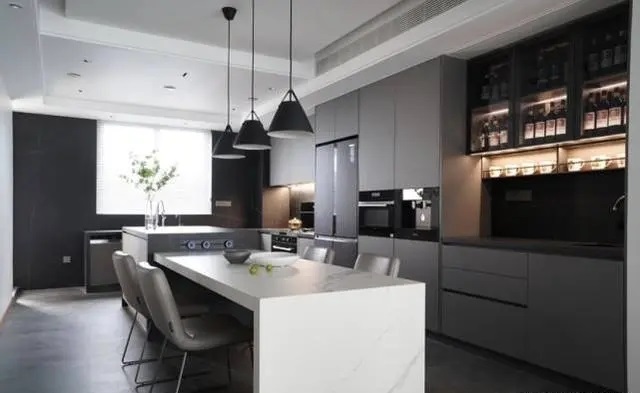
Lighting shelves in a bar area can create an inviting atmosphere for entertaining. For this setup, install LED strips a few inches beneath each shelf to reduce shadows and enhance visibility. RGB or single-colored LED strips are ideal for adding visual impact in this area, particularly when used behind a translucent bar rack or shelf. Play with different colors to set the mood, making each shelf glow in your preferred hue and ensuring bottles and glassware are displayed attractively.
5. Kitchen Shelf Lighting

The kitchen is often the most used space in a home, requiring high-quality, functional lighting. Cool-toned LED strips (3500K-4000K) with a high CRI rating provide sufficient illumination for cooking and food prep while creating a welcoming kitchen ambiance. For larger kitchens with natural light, use LED strips as decorative lighting along the shelf edges to enhance the space. For added convenience, place warmer-toned LED strips under cabinets or shelves to highlight countertops, making food prep safer and more accessible.
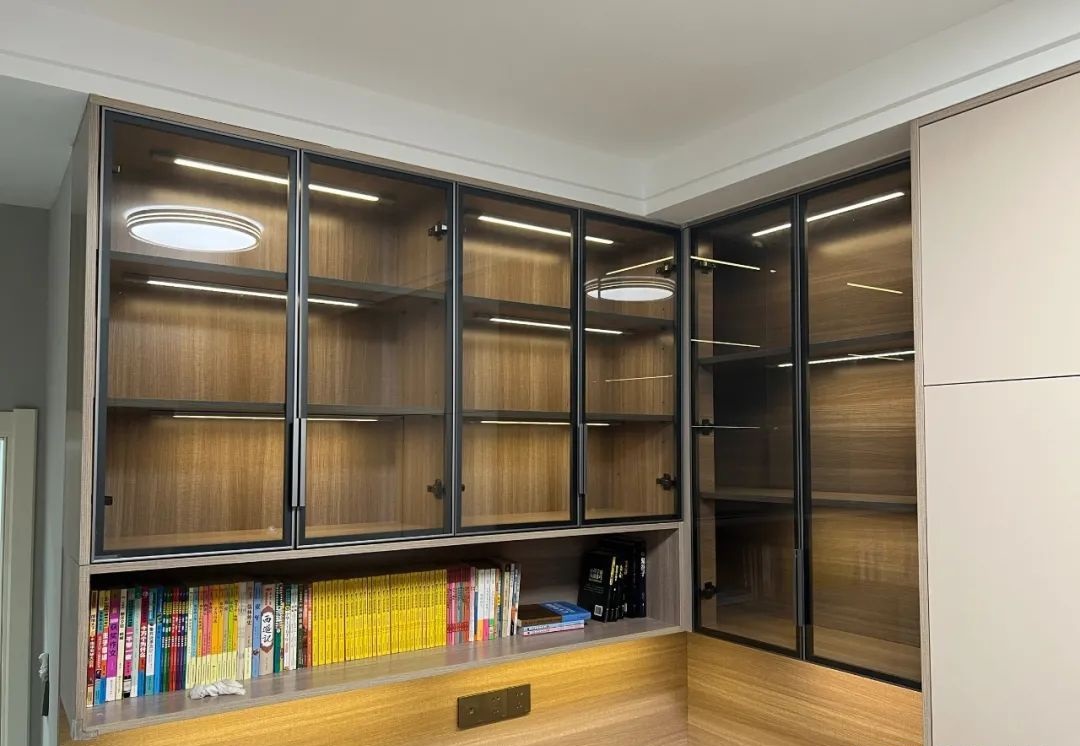
6. Bookshelf Lighting

LED lighting in a bookshelf adds a soft glow that makes books and décor more visible and accessible. Install LED strip lights underneath each shelf or along the rear for a warm, inviting effect. Choosing cool white LED strips with a high CRI (90+) is ideal for book displays as they enhance text readability and book cover colors. Tunable white LED strips (4100K-4500K) can also add visual depth to the shelf, ideal for a cozy reading nook or a home library.
7. Motion Sensor Shelf Lighting
Motion sensor lighting offers convenience and energy efficiency, turning on only when movement is detected. This setup is perfect for spaces like closets, kitchen cabinets, or bathroom shelves. Motion-activated LED strips add convenience for night-time activities without the need to manually turn on lights, especially useful in areas where you may have your hands full. The sensors also add a security layer by illuminating when movement is detected, enhancing both safety and energy savings.
FAQs
1. What kind of LED strip is best for shelf lighting?
For shelf lighting, flexible LED strips with moderate brightness (300 lumens per meter) are ideal. High CRI (Color Rendering Index) strips, with a CRI of 90+ or higher, provide excellent color accuracy, ensuring items on display appear vibrant and true-to-color. Choose single-color LEDs for a clean look, while RGB led strips or RGBW led strips offer customizable options for changing colors.
2. How do I determine the right length of LED strip for my shelf?
Measure the length or width of your shelf where the LED strip will be placed. For precise fitment, add an extra inch or two to allow flexibility in positioning, especially around edges. LED strips can typically be cut at designated points, ensuring the perfect length for various shelf sizes.
3. Can I use LED strips on glass shelves?
Yes, LED strips work wonderfully on glass shelves, creating a glowing effect that highlights objects from behind or below. For best results, consider placing the LED strip on the underside or back edge of the glass to achieve an even, diffused light effect, adding depth and style.
4. Can I install LED strips on curved or irregular shelves?
Yes, LED strips are flexible and work well on curved or non-standard surfaces. Ensure the strip is not bent sharply to avoid damaging the circuit. If the curve is tight, opt for LED strips designed for flexible installation to preserve light quality and durability.
5. How do I connect multiple LED strips for a longer shelf?
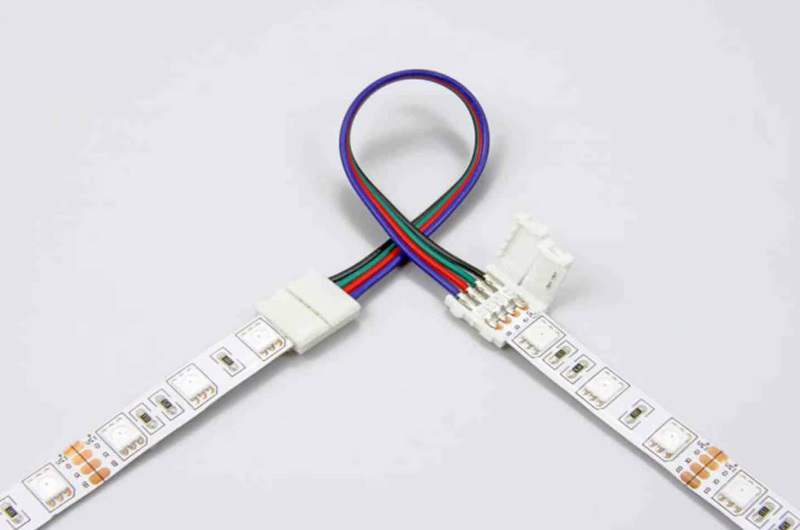
For longer installations, connect multiple strips using jumpers, connectors, or by soldering directly. Ensure the total length does not exceed the maximum run specified by the manufacturer. Choose a power supply capable of handling the combined wattage of all strips to ensure stable performance.
6. Can LED shelf lights be dimmed?
Yes, many LED strips are dimmable when paired with compatible dimmers. Dimmers can be wall-mounted, remote-controlled, or even app-controlled for added convenience. Dimming allows you to adjust the light based on the activity or ambiance you want to create.
7. Is it safe to cut LED strips to fit my shelves?
Yes, LED strips are designed to be cut at marked points (usually every 3 LEDs) for custom lengths. Use sharp scissors or a utility knife, following the manufacturer’s guidelines. After cutting, cover the exposed ends with connectors or seal them to protect the circuit from moisture and dust.
8. Can LED strips light up the entire room?
LED strips are best for accent lighting and may not provide sufficient brightness to fully illuminate a room. They add ambiance and highlight certain areas, such as shelves or under cabinets. For full-room lighting, consider combining LED strips with other fixtures, like ceiling or wall-mounted lights.
Summary
LED strip lighting has become a popular choice for shelf illumination due to its versatility, ease of installation, and ability to enhance both functionality and aesthetics. When selecting LED strips for shelves, consider factors like brightness, color temperature, and whether dimmability is needed. For a seamless and professional appearance, use an LED aluminum profile with a diffuser, which distributes light evenly, reduces glare, and protects the strip from dust and moisture.
Installation is straightforward but requires careful preparation. Measure the shelf dimensions, select an appropriate power supply, and decide on a lighting style—whether under-shelf, backlit, or edge-lit—to best showcase your items and suit the ambiance of your space. Safety is key, especially when wiring multiple strips; ensure connections are secure, choose an appropriate voltage, and avoid overloading power supplies.
Top 10 LED strip manufacturer in China in 2024
The Ultimate Guide For Choosing The Right Sauna Lights
Related Article
Need an Instant Quote For Your Upcoming Projects?
Send us the details and we will get back to you within 12 hours.