
LED Strip vs LED Tube Lights: Which Is Better?
"Choosing the right lighting solution can significantly impact both the ambiance and efficiency of any space. When it comes to modern LED technology, two popular options stand out: LED strips and LED tube lights. Each offers unique advantages, from sleek design and customizable flexibility to powerful illumination and energy efficiency. But which is truly superior for your needs? In this comprehensive guide, we delve into the nuances of LED strip lights versus LED tube lights.
What Are LED Strips?

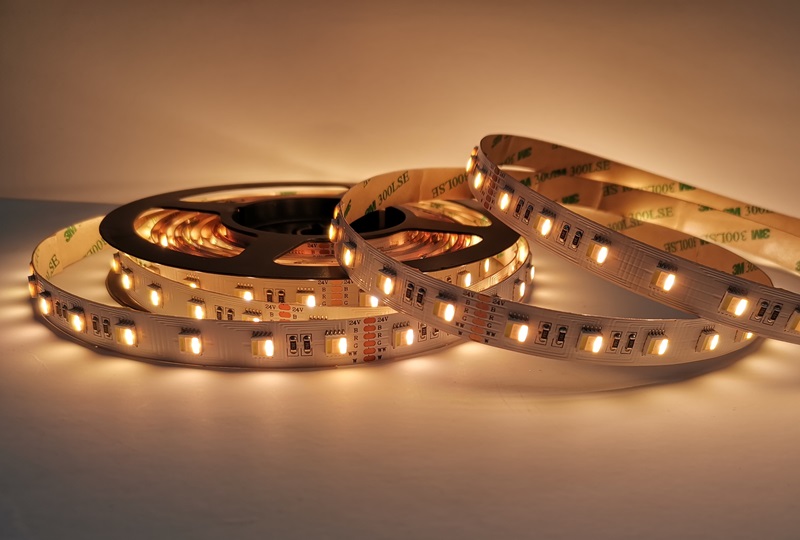
LED strip lights are flexible circuit boards populated with small LED chips. They are often encased in a flexible, durable material such as silicone for protection and flexibility. LED strips come in various lengths, colors, and brightness levels, making them suitable for accent lighting, under-cabinet lighting, and decorative purposes. They are easy to install and can be cut to fit specific lengths, offering customizable lighting solutions for different spaces.
What Are LED Tube Lights?

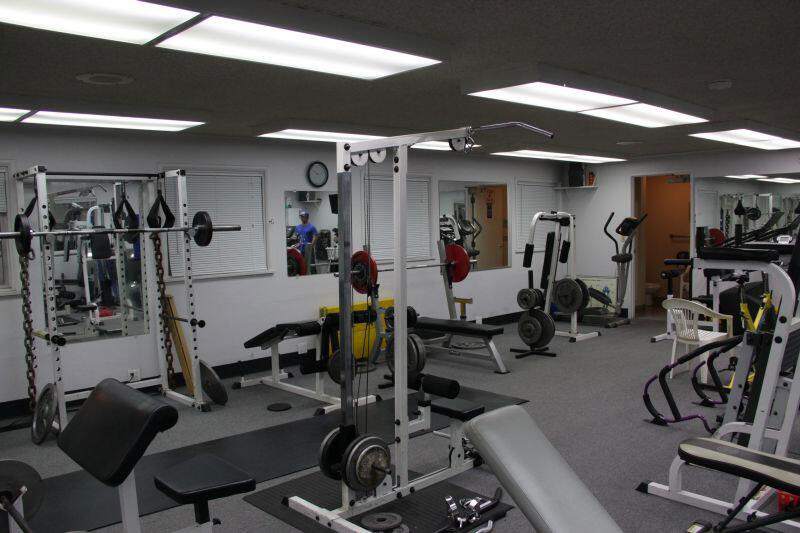
LED tube lights are designed to replace traditional fluorescent tube lights while offering similar or better illumination. They consist of LED arrays mounted within a tube-shaped housing, typically made of glass or plastic. LED tube lights come in different sizes (e.g., T5, T8, T12) to fit standard fluorescent fixtures. They provide uniform light distribution, high efficiency, and longer lifespans compared to fluorescent tubes, making them ideal for office spaces, warehouses, and retail environments.
Key Differences Between LED Strips and Tube Lights
LED strips and tube lights differ primarily in their form factor, application, and installation requirements. LED strips are flexible and adhesive-backed, suitable for intricate lighting designs and areas where space is limited. In contrast, LED tube lights are rigid and designed to replace traditional fluorescent tubes directly in existing fixtures. Understanding these differences helps in choosing the right type of lighting based on specific needs and installation constraints.
| Feature | LED Strips | LED Tube Lights |
| Form Factor | Flexible, thin strips with adhesive backing | Rigid, tube-shaped structures |
| Application | Accent lighting, decorative purposes | General illumination, direct replacement for fluorescents |
| Flexibility | Highly flexible, can bend around corners | Rigid structure, limited flexibility |
| Installation | Adhesive-backed, easy DIY installation | Replaces existing fluorescent tubes in fixtures |
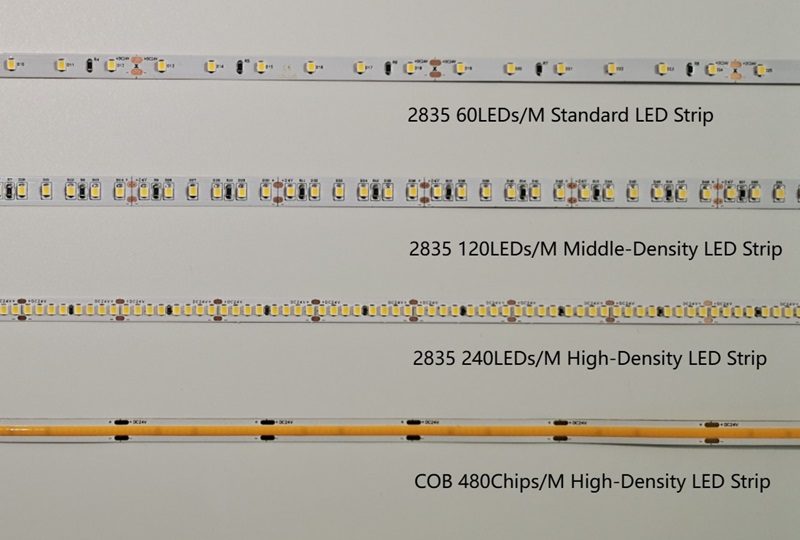
| Design Options | Various colors, lengths, and densities | Standard sizes (e.g., T5, T8) |
| Space Requirements | Suitable for tight spaces and intricate designs | Require existing fixture space |
| Light Distribution | Often directional, can be diffused with covers | Uniform light distribution over a wide area |
| Ease of Customization | Easy to cut to size and connect | Limited customization options |
| Energy Efficiency | High efficiency, low energy consumption | High efficiency, comparable or better than fluorescents |
| Longevity | Long lifespan (up to 50,000 - 100,000 hours) | Long lifespan (up to 50,000 - 100,000 hours) |
| Environmental Impact | Eco-friendly, no mercury or hazardous materials | Eco-friendly, no mercury or hazardous materials |
| Cost | Generally lower cost per linear foot | Higher initial cost, offset by energy savings |
| Maintenance | Minimal maintenance, durable | Minimal maintenance, durable |
| Suitability | Suitable for decorative and accent lighting | Suitable for general and task lighting |
when should I choose led strip or LED tube light?
Choosing between LED strips and LED tube lights depends largely on the specific lighting needs and requirements of your space. Here are some guidelines to help you decide:
In below application, it’s better to choose led tube light:

Decorative Lighting
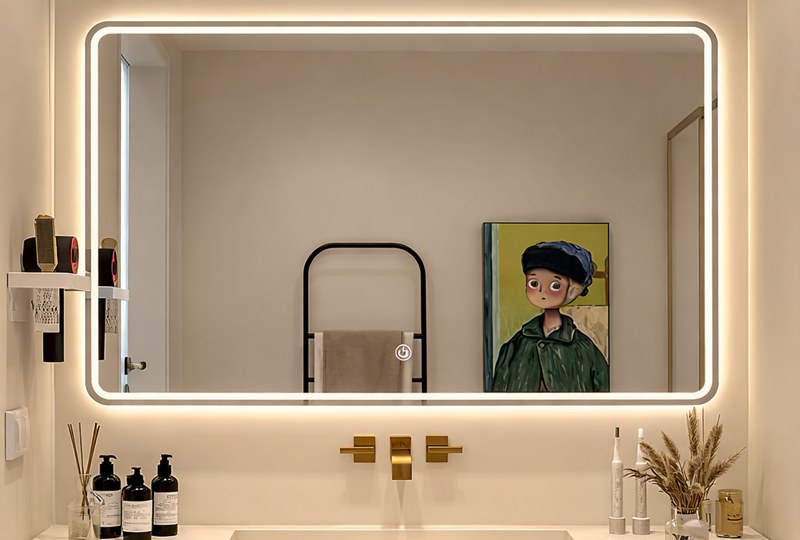
LED strips are ideal for accent lighting, highlighting architectural features, or creating ambient lighting effects. They offer flexibility in design and can be easily customized to fit different shapes and sizes.
Space Constraints
If you have limited space or need lighting for narrow areas, LED strips are a great choice due to their thin profile and flexibility. They can be installed under cabinets, along shelves, or in tight corners where traditional lighting fixtures may not fit.
Color and Ambiance Control
LED strips come in various colors and color temperatures, allowing you to create different moods and atmospheres. They are suitable for applications where aesthetic appeal and ambiance are important factors.

DIY Installation
LED strips are typically easy to install with adhesive backing and can be cut to size as needed. They are suitable for DIY projects without the need for professional installation.
Energy Efficiency
Like other LED lighting solutions, LED strips are energy-efficient and can help reduce electricity costs over time, especially when used for accent or decorative purposes.
In below application, it’s better to choose led tube light:
General Illumination
LED tube lights are designed to replace traditional fluorescent tubes and provide uniform illumination over larger areas. They are suitable for spaces requiring consistent and even lighting, such as offices, schools, hospitals, and retail stores.
Existing Fixture Replacement
If you already have fluorescent tube fixtures in place, LED tube lights offer a straightforward retrofit option. They fit directly into existing fixtures without the need for extensive modifications.

Cost Efficiency in Large Areas
Despite a potentially higher initial cost, LED tube lights offer long-term savings through reduced energy consumption and maintenance costs, making them cost-effective for large-scale lighting projects.
Environmental Considerations
LED tube lights are eco-friendly, free from hazardous materials like mercury found in fluorescent tubes. Choosing LEDs contributes to sustainability goals and may qualify for energy efficiency incentives or certifications.
Durability and Longevity
LED tube lights have a long lifespan and require minimal maintenance compared to fluorescent tubes. They are durable and resistant to shock and vibration, making them suitable for high-traffic areas and environments requiring reliable lighting solutions.
FAQs regarinding led strip & LED tube light
1. Are LED strips or tube lights more energy-efficient?
Both LED strips and tube lights are highly energy-efficient compared to traditional lighting options, but specific efficiencies depend on usage and design.
2. What are the installation differences between LED strips and tube lights?
LED strips are easy to install with adhesive backing and can be cut to size. LED tube lights require replacing existing fluorescent tubes and ballasts.
3. Which is easier to maintain?
Both LED strips and tube lights have minimal maintenance requirements due to their long lifespan and durability compared to traditional lighting options.
4. Can LED strips and tube lights be used outdoors?
Normally, led tube light can only be used for indoor application. For led strip light, there are different IP rating for reference. For IP65, IP66, and IP67 waterproof led strip light, they are suitable for outdoor application; for IP68 led strip light, they can even be used under waterproof.

5. Which type is more customizable?
LED strips offer more customization options in terms of color, brightness, and flexibility compared to standard-sized LED tube lights.
6. Are there environmental benefits to choosing LED strips or tube lights?
LED technology is eco-friendly, free from hazardous materials like mercury found in traditional fluorescent lights, reducing environmental impact.
7. Which type is better for retrofitting existing lighting fixtures?
LED tube lights are designed as direct replacements for traditional fluorescent tubes, making them easier to retrofit into existing fixtures.
8. Which type of lighting is better for creating ambiance in residential settings?
LED strips are often preferred for creating ambiance due to their ability to provide indirect lighting and customizable color options, enhancing home decor.
9. Can LED strips and tube lights be dimmed?
Both LED strips and tube lights are available in dimmable options, allowing users to adjust brightness levels according to preference and mood.
10. Which type of lighting is more suitable for under-cabinet or task lighting in kitchens?
LED strips are commonly used for under-cabinet lighting in kitchens due to their flexibility, low profile, and ability to provide focused task lighting without glare.
Conclusion
In conclusion, the choice between LED strips and tube lights ultimately depends on your specific lighting requirements, space constraints, aesthetic preferences, and budget considerations. LED strips excel in flexibility, customization, and decorative applications, making them ideal for creating ambiance and accentuating spaces with creative lighting designs. On the other hand, LED tube lights are preferred for general illumination in larger areas, offering uniform light distribution and energy efficiency suitable for commercial and institutional settings.
LED Strips on Metal Surfaces: Everything You Need to Know
LED Strip in Fish Tanks: Tips and Safety Precautions
Related Article
Need an Instant Quote For Your Upcoming Projects?
Send us the details and we will get back to you within 12 hours.