
LED Strip vs Neon Flex: A Comprehensive Comparison Guide
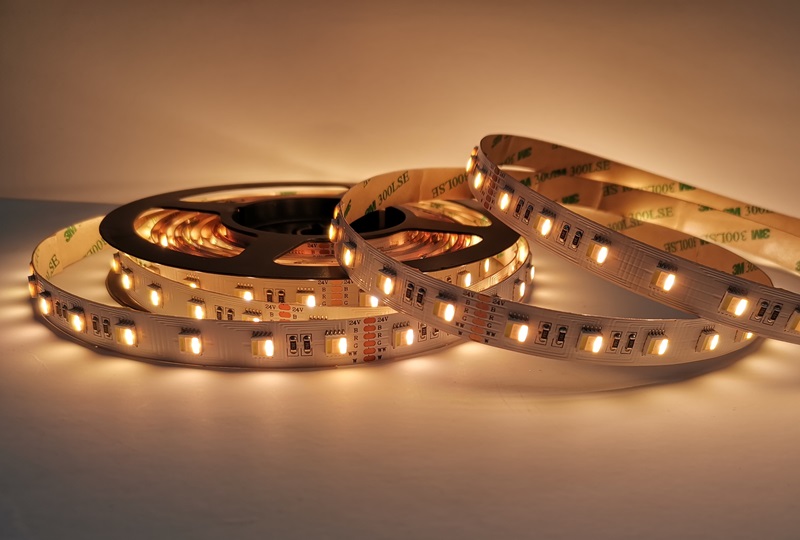
Choosing the right lighting can transform any space, from cozy homes to bustling commercial areas. With the evolution of lighting technology, LED strip lights and neon flex lights have become popular choices for their versatility and striking effects. But which one is the best fit for your needs?
In this comprehensive comparison guide, I'll delve into the features, benefits, and ideal applications of both LED strip lights and neon flex lights. Whether you're looking for energy efficiency, flexibility, or a specific aesthetic, understanding the differences between these two lighting options will help you make an informed decision. Let’s shed some light on which option will best illuminate your space!
Understanding LED Strip Lights
What are LED Strip Lights?
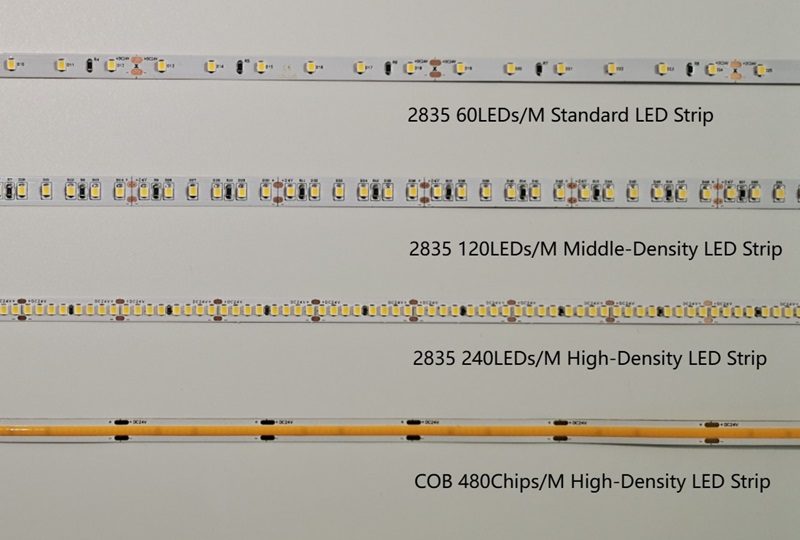
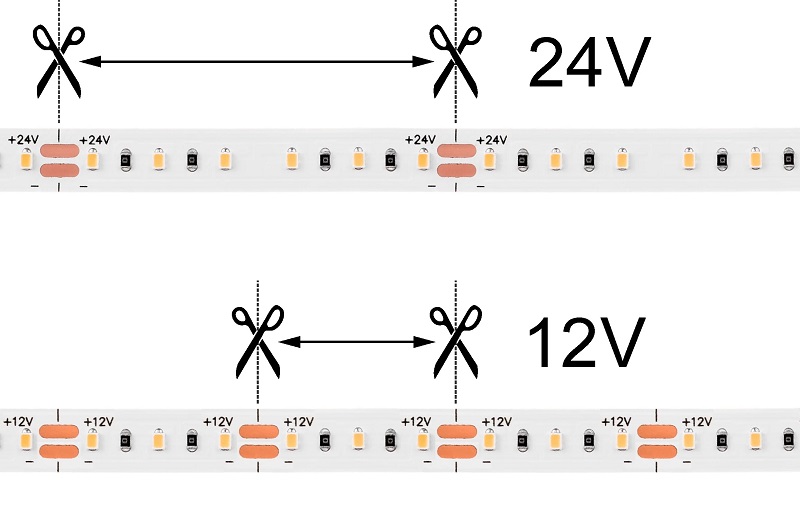
LED strip lights are flexible circuit boards embedded with light-emitting diodes (LEDs). They come in a variety of lengths and can be cut to size, making them highly adaptable to different spaces and design needs. These strips can be mounted on almost any surface, providing an even and bright illumination.
Types of LED Strip Lights

Addressable LED strips feature individually controllable LEDs, meaning each LED can be programmed to display a different color or brightness level. This capability allows for complex lighting effects and animations, such as chasing patterns, gradients, and custom designs. Addressable LED strips are popular in advanced lighting projects, such as stage lighting, architectural installations, and interactive displays, where dynamic and customizable lighting is essential.
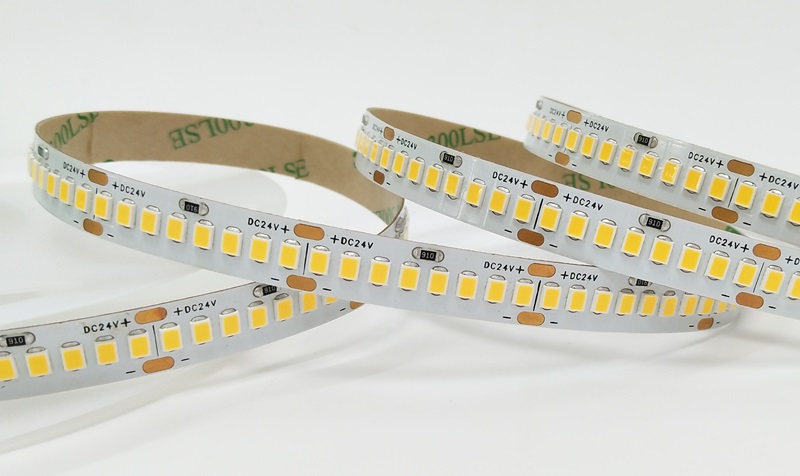
Single color LED strips emit one consistent color of light along their entire length. They are typically available in various color temperatures of white, such as warm white, cool white, and daylight white. These strips are ideal for applications where a steady and uniform light source is needed, such as under-cabinet lighting in kitchens, accent lighting in living rooms, or task lighting in workspaces.
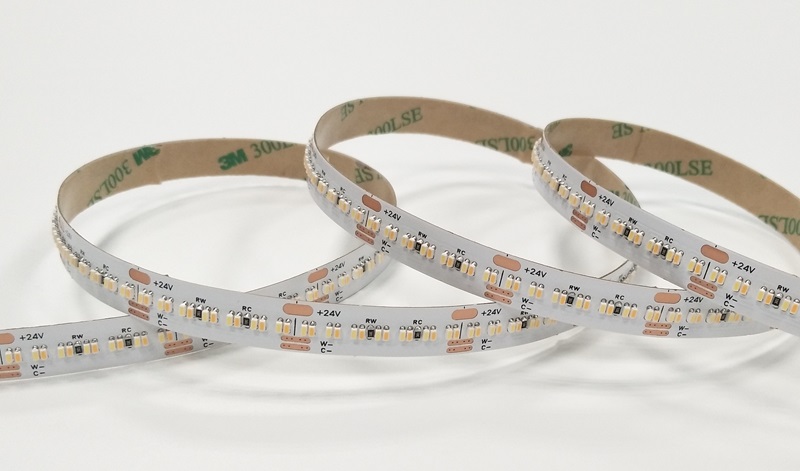
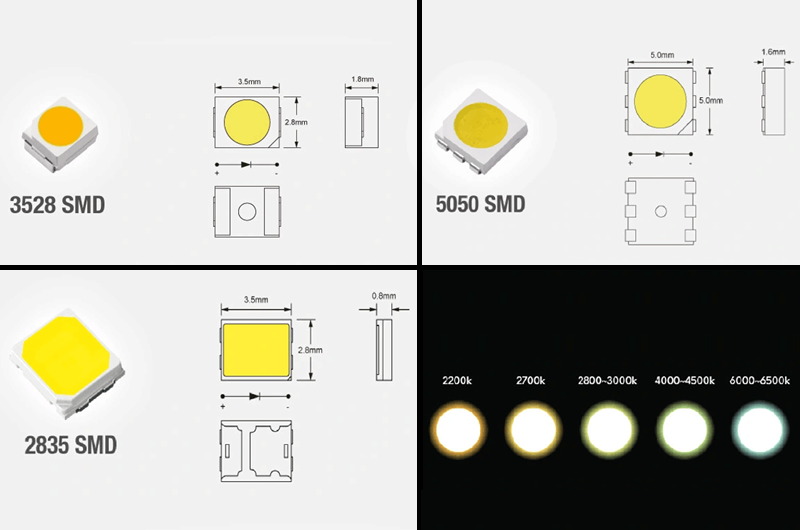
CCT adjustable LED strips allow users to change the color temperature of the white light emitted by the strip. This adjustment ranges from warm white (around 2700K) to cool white (up to 6500K). These strips are ideal for environments where the lighting needs to adapt to different activities or times of day, providing a cozy, warm glow for relaxation and a bright, cool light for tasks.
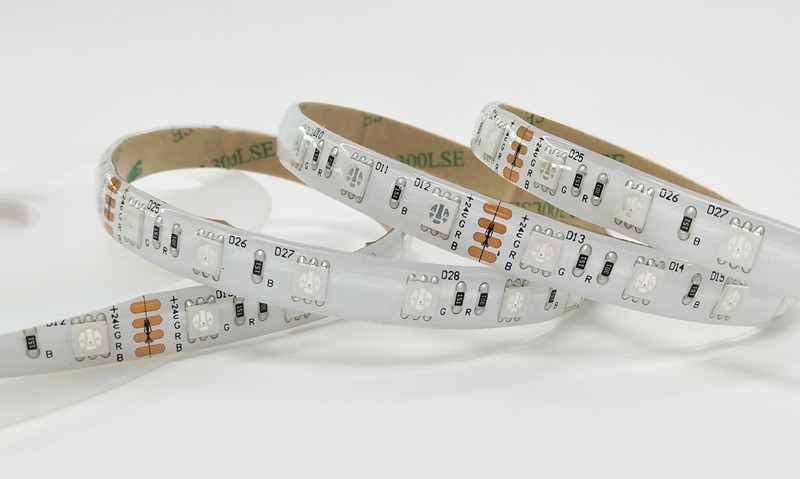
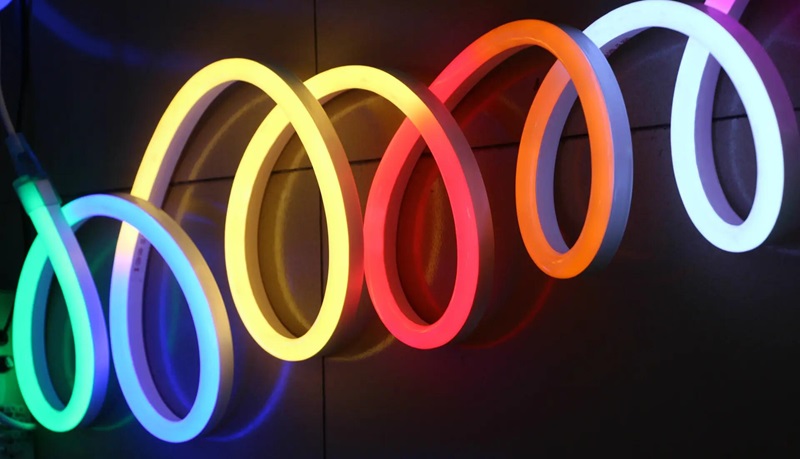
RGB LED strips combine red, green, and blue LEDs on a single strip. By adjusting the intensity of each color, these strips can create a wide range of colors. This versatility makes RGB LED strips perfect for mood lighting, party decorations, and dynamic lighting effects in entertainment areas. Users can program these strips to cycle through colors, flash, or remain on a single hue.
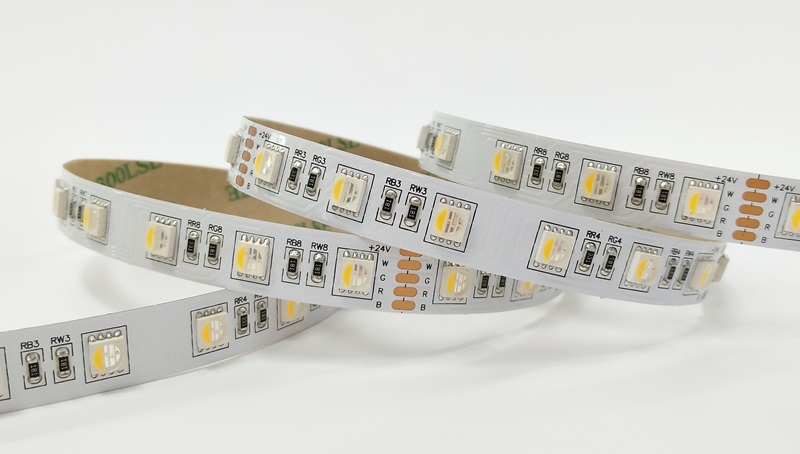
RGBW LED strips are similar to RGB strips but include an additional white LED. This extra white LED allows for more accurate and vibrant color mixing, as well as the ability to produce pure white light when needed. This makes RGBW strips suitable for situations where both colorful and white lighting are desired, such as in multifunctional spaces that require both ambient and task lighting.
RGB CCT LED strips combine the features of RGB and CCT adjustable strips, offering both colorful lighting and adjustable white temperatures. This combination provides maximum versatility, allowing users to create vibrant color scenes or switch to a comfortable white light. These strips are perfect for spaces that require flexible lighting solutions, such as living rooms, event venues, and retail displays.
Understanding Neon Flex Lights
What are Neon Flex Lights?

Neon flex lights are flexible PVC or silicone tubes that mimic the appearance of traditional neon lights. They contain LEDs encased in a flexible material that diffuses the light evenly, creating a continuous line of illumination without the dark spots often seen with traditional neon tubes.
Types of Neon Flex Lights

Top bend neon flex lights are designed to bend along the top plane, allowing them to curve horizontally and vertically. This flexibility makes them suitable for a wide range of applications, including outlining architectural features, creating smooth curves on signs, and accentuating edges in interior design. The ability to bend along the top plane allows for clean and precise installations, making top bend neon flex lights a popular choice for both commercial and residential projects that require a continuous line of light.

Side bend neon flex lights are engineered to bend along the side plane, making them ideal for creating intricate shapes and designs. This flexibility allows for the formation of complex patterns and detailed signage, where precise curves and angles are necessary. Side bend neon flex lights are often used in artistic installations, decorative lighting, and custom signage where the light needs to follow a specific contour. Their ability to bend sideways without compromising the light's uniformity makes them a versatile option for creative lighting solutions.

Round neon flex lights offer 360-degree illumination, providing an all-around glow that is perfect for unique lighting effects and artistic installations. These lights are ideal for applications where the light needs to be visible from all angles, such as in freestanding sculptures, decorative columns, or accentuating round structures. The uniform light distribution around the entire circumference of the tube ensures a consistent and appealing illumination, making round neon flex lights a preferred choice for designers seeking to create striking visual impacts.
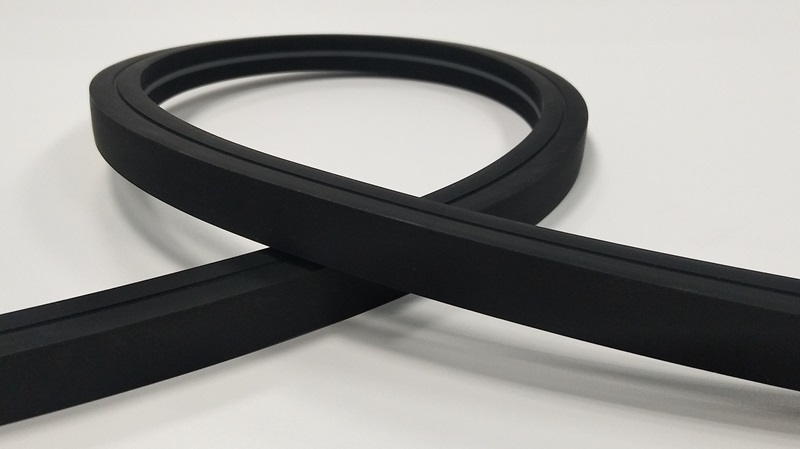
Black neon flex lights provide a sleek and modern look with their distinctive black housing, which becomes less noticeable when the lights are turned off. This feature makes them an excellent choice for environments where the light fixture needs to blend seamlessly with the background when not in use. Black neon flex lights are often used in high-end retail spaces, contemporary art installations, and upscale residential settings. When illuminated, they offer the same vibrant and uniform light output as standard neon flex lights, but with an added touch of elegance and sophistication.
Comparing LED Strip and Neon Flex Lights
When choosing between LED strip lights and neon flex lights, it's essential to understand how each type of lighting performs across various factors. Both options have unique advantages and are suited for different applications. Below is a detailed comparison of key features to help you decide which lighting solution is best for your specific needs.
| Feature | LED Strip Lights | Neon Flex Lights |
| Brightness and Light Quality | Good brightness, potential for hotspots due to individual LED placement. | Smooth and uniform light output with no dark spots, mimicking traditional neon. |
| Flexibility and Ease of Installation | Highly flexible and easy to install with adhesive backing, perfect for DIY projects. | Flexible but requires more complex installation techniques and hardware. |
| Durability and Weather Resistance | Moderate durability, not always weatherproof; suitable for most indoor applications. | High durability and weather-resistant, ideal for both indoor and outdoor use. |
| Cost and Energy Efficiency | Cost-effective and highly energy-efficient, making them a budget-friendly option. | Higher initial cost but also energy-efficient, offering long-term savings. |
| Light Efficiency | Higher efficiency with minimal energy wastage, providing bright illumination. | Lower efficiency compared to LED strips but still effective for decorative purposes. |
| Best Applications | Ideal for home decor, commercial spaces, and dynamic lighting effects. | Ideal for home decor, commercial spaces, and dynamic lighting effects. |
| Material | Available as LED strip only or with additional PVC or silicone housing for protection. | Made with durable PVC or silicone housing, ensuring flexibility and robustness. |
| Power | Can be very powerful, especially when used with an LED profile | Power consumption generally less than 20W/M. |
| Colors | Available in white, dual white, RGB, RGBW, RGBCCT, and addressable variants. | Available in white, dual white, RGB, RGBW, RGBCCT, and addressable variants. |
Understanding these differences will help you choose the right type of lighting for your project, ensuring that you achieve the desired aesthetic and functional results.
Making the Right Choice for Your Project
Assessing Your Needs
Before deciding between LED strip lights and neon flex lights, it's crucial to assess your specific needs. Consider factors such as the environment where the lights will be installed (indoor or outdoor), the desired lighting effect, energy efficiency requirements, and your budget.
Case Studies and Examples
Residential Spaces: LED strip lights can be perfect for under-cabinet lighting in kitchens, adding ambiance to living rooms, or highlighting architectural features.
Commercial Spaces: Neon flex lights are ideal for creating eye-catching signage for businesses, outlining building exteriors, or adding a creative flair to retail spaces.
Expert Recommendations
Based on my experience, for projects requiring detailed and flexible lighting solutions, LED strip lights are typically more versatile and easier to work with. However, for applications demanding a sleek, professional finish and high durability, neon flex lights are the superior choice. Always consider the specific requirements of your project and choose the lighting solution that best meets those needs.
FAQs
1. Can I use LED strip lights and Neon Flex lights outdoors?
Yes, both LED strip lights and neon flex lights can be used outdoors, provided they have the appropriate weatherproof rating (IP65 or higher).
2. How do I install LED strip lights compared to Neon Flex lights?
LED strip lights are typically easier to install with adhesive backing, whereas neon flex lights may require additional mounting hardware and more complex installation procedures.
3. Can I customize the colors of both LED strip lights and Neon Flex lights?
Yes, both types offer customizable color options. LED strips are available in RGB, RGBW, and addressable variants, while neon flex lights come in various colors and RGB options.
4. Do LED strip lights or Neon Flex lights require special maintenance?
Both lighting options are relatively low-maintenance. However, neon flex lights, with their durable construction, may require less frequent maintenance in demanding environments.
5. Can I control both LED strip lights and Neon Flex lights with the same controller?
Yes, as long as the controller supports the specific type of LEDs used in both lighting options, you can control them with the same system.
Conclusion
In summary, both LED strip lights and neon flex lights have their unique advantages and ideal applications. LED strip lights offer higher flexibility, ease of installation, and cost-effectiveness, making them suitable for a wide range of uses. On the other hand, neon flex lights provide a smooth, professional appearance, high durability, and are perfect for creative and commercial applications. Assess your specific needs and project requirements to make the best choice for your lighting solution.
The Ultimate Guide to SMD 2216 LED Strip Light in 2025
Why Are LED Strip Lights So Popular? 10 Reasons You Need Them
Related Article
Need an Instant Quote For Your Upcoming Projects?
Send us the details and we will get back to you within 12 hours.