
What is Light Glare and How to Reduce Light Glare?
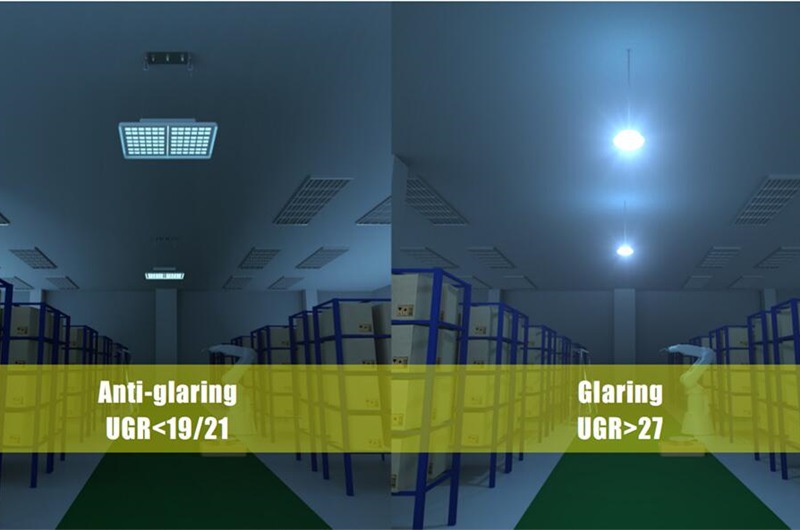
Lighting is essential in our daily lives, from illuminating our homes to enhancing productivity in workplaces. However, improper lighting can cause glare, leading to discomfort and eye strain. Glare occurs when there is excessive brightness or when light is reflected off surfaces, creating visual discomfort. Addressing light glare is crucial for creating comfortable and functional spaces.
What is Light Glare?

Light glare is a visual condition that occurs when there is excessive brightness or uncontrolled light, causing discomfort and reducing visibility. It happens when light is either too intense or is reflected off surfaces in a way that creates a distracting and often blinding effect. Glare can be classified into different types, each impacting vision and comfort in various ways.
How to Measure LED Glare
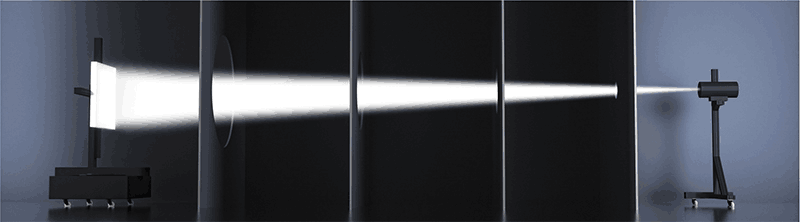
When selecting an LED, you can assess its glare properties using the UGR (Unified Glare Rating). This rating indicates the level of glare an LED will produce and helps determine the best option for different applications.
According to the European Standard 'BS EN 12464: 2002', the following UGR ranges are recommended for specific uses:
UGR<19: Ideal for office tasks such as reading, writing, and meetings.
UGR<16: Suitable for technical drawing and warehouse environments.
UGR>30: Produces the highest levels of glare and is typically unsuitable for most indoor applications.
The UGR measures the relative difference in brightness between a light fixture and its surrounding area, making it a useful metric for indoor lighting only.
Causes of Light Glare
Direct Glare from Light Sources
Direct glare occurs when intense light from sources like lamps or overhead lights hits the eyes directly. This can be particularly problematic in workspaces and reading areas, causing discomfort and eye strain. Mitigating direct glare involves using lampshades, diffusers, and strategically placing light sources.
Reflective Glare from Surfaces

Reflective glare happens when light bounces off shiny surfaces such as mirrors, windows, or glossy walls. This type of glare can create bright, uncomfortable reflections. To reduce reflective glare, use matte finishes on surfaces, install window treatments, and position light sources to minimize reflections.
Excessive Brightness
Excessive brightness overwhelms the eyes with too much light, often due to intense lighting or stark contrasts between lit areas. This is common in both indoor and outdoor settings. Using dimmers, adjusting light intensity, and ensuring even light distribution can help manage excessive brightness.
High Contrast
High contrast between different lighting areas strains the eyes by creating sudden changes in light levels. This is often experienced when moving from a bright area to a dim one. Balancing lighting across spaces and using transitional lighting can reduce high contrast glare.
Combined Effects of Glare
Glare often results from a combination of direct, reflective, excessive brightness, and high contrast factors. An office with large windows, glossy surfaces, and intense lighting may experience multiple types of glare simultaneously. Addressing combined glare involves using anti-glare solutions, adjusting light placement, incorporating shades and diffusers, and selecting appropriate surface finishes.
How to Reduce Light Glare
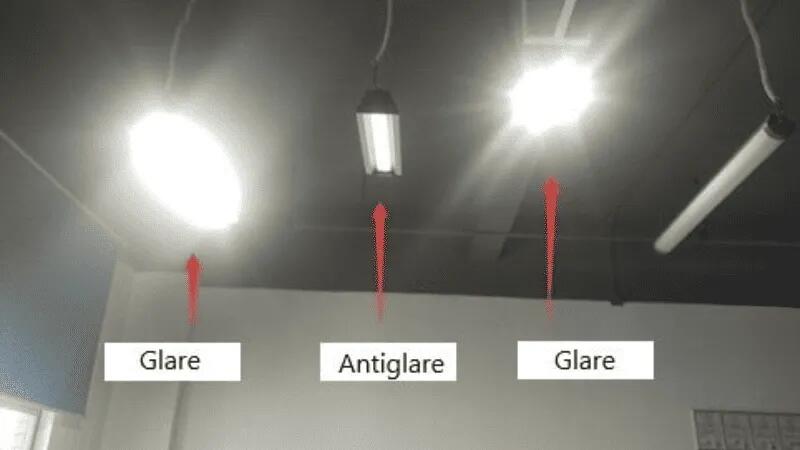
Use Matte Finishes
Matte finishes on walls, ceilings, and furniture reduce reflective glare by diffusing light. Unlike glossy surfaces, matte surfaces prevent harsh reflections. For example, using matte paint or matte-finished furniture can significantly lower glare, creating a more comfortable environment.
Install Anti-Glare Lights
Anti-glare lights minimize glare with features like diffusers, coatings, and specific designs that scatter light. Available in LED and CFL options, these lights are ideal for living rooms, offices, and reading areas. Installing them enhances visual comfort and reduces eye strain.
Adjust Light Position
Properly positioning lights can significantly reduce glare. Avoid placing lights directly in the line of sight or near reflective surfaces. In living rooms, position floor and table lamps to provide ambient lighting without shining directly into the eyes. In workspaces, ensure overhead lights do not create shadows on work surfaces.
Use Dimmers
Dimmers control the brightness of lights, reducing glare and creating a comfortable environment. By dimming lights when full brightness isn't needed, you can minimize glare. Install dimmer switches in living rooms, bedrooms, and dining areas to adjust the ambiance and reduce glare.
Incorporate Shades and Diffusers
Lampshades, diffusers, and filters scatter light, reducing its intensity and minimizing direct glare. Use lampshades on table and floor lamps to prevent direct light into the eyes. Ceiling lights and pendant lights can benefit from diffusers that soften and spread light evenly.
Select Appropriate Bulbs
Choosing the right bulbs is crucial for reducing glare. Opt for bulbs with lower lumen outputs or those labeled as "soft white" for softer, more diffuse light. High-wattage bulbs create excessive brightness, contributing to glare. LED bulbs are energy-efficient and available in various color temperatures to suit different needs, improving visual comfort.
Understanding Anti-Glare Light

Anti-glare lights are specifically designed to minimize glare, providing a more comfortable lighting experience. These lights utilize diffusers, coatings, or specific design elements that scatter light, reducing its intensity and preventing harsh reflections. By incorporating anti-glare technology, these lights help reduce eye strain, improve visual comfort, and enhance overall well-being. They are especially beneficial in environments where prolonged exposure to artificial lighting is necessary, such as offices, classrooms, and homes.
Benefits of Using LED Anti-Glare Light
Enhanced Visual Comfort
LED anti-glare lights are designed to reduce harsh reflections and excessive brightness, creating a more comfortable visual environment. This helps prevent eye strain and fatigue, making it easier to focus on tasks for extended periods.
Increased Productivity
By minimizing glare, LED anti-glare lights contribute to a more productive workspace. Employees can work more efficiently without the distraction and discomfort caused by glare, leading to better performance and overall job satisfaction.
Improved Safety
Reduced glare can enhance safety in various environments, such as offices, warehouses, and industrial settings. Clearer visibility helps prevent accidents and errors, ensuring a safer working environment for everyone.
Versatility and Adaptability
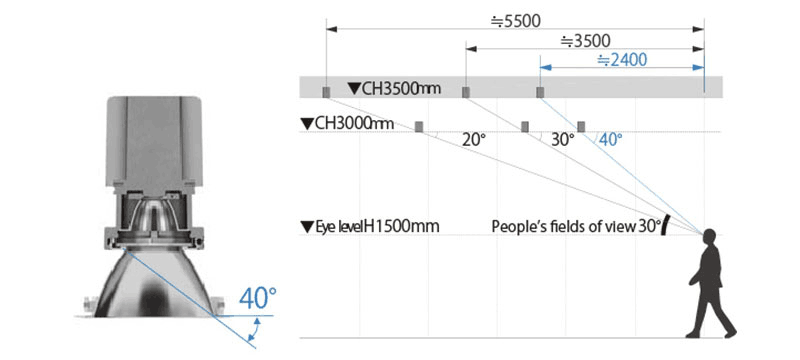
LED anti-glare lights are available in various forms, including panels, downlights, and bulbs, making them suitable for a wide range of applications. Their versatility allows for easy integration into different lighting setups, from office spaces to residential areas.
FAQs
1. What is the difference between direct and reflective glare?
Direct glare comes from intense light sources hitting the eyes directly, while reflective glare is light bouncing off shiny surfaces, creating reflections that cause discomfort.
2. Can anti-glare lights be used in any room?
Yes, anti-glare lights are versatile and can be used in various settings, including living rooms, offices, kitchens, and bathrooms, to reduce glare and enhance visual comfort.
3. Are there specific types of bulbs recommended for reducing glare?
Soft white LED bulbs with lower lumen outputs are ideal for reducing glare. These bulbs produce a gentler light, minimizing harsh reflections and brightness.
4. How do dimmer switches help in reducing glare?
Dimmer switches allow you to adjust the brightness of lights to suit different tasks and times of day. By dimming lights when full brightness is not needed, you can reduce glare and create a more comfortable environment.
5. What are some common applications of anti-glare lighting?
Anti-glare lighting is commonly used in workspaces, reading areas, living rooms, and any environment where reducing eye strain and enhancing visual comfort is important.
6. Can I retrofit existing light fixtures with anti-glare components?
Yes, you can retrofit existing light fixtures with anti-glare components such as diffusers, shades, and filters to reduce glare and improve lighting quality.
7. What should I consider when choosing anti-glare lighting for an office?
When choosing anti-glare lighting for an office, consider factors such as the color temperature, brightness level, and the use of diffusers or shades to minimize glare and enhance productivity.
8. Can anti-glare lighting improve sleep quality?
Reducing glare in the bedroom can contribute to a more relaxing atmosphere, potentially improving sleep quality by minimizing harsh light exposure before bedtime.
9. How does light positioning affect glare?
Proper light positioning can minimize direct glare by ensuring that light sources are not in the direct line of sight or reflecting off surfaces that cause discomfort.
10. How do anti-glare coatings work?
Anti-glare coatings work by scattering light and reducing the intensity of reflections, which helps to minimize glare and improve visual comfort.
Conclusion
Reducing light glare is essential for creating comfortable and functional spaces. By understanding anti-glare technology and implementing practical solutions like using matte finishes, installing anti-glare lights, adjusting light positions, using dimmers, incorporating shades and diffusers, and selecting appropriate bulbs, you can significantly reduce glare and improve visual comfort. Addressing glare issues not only enhances the aesthetics of your space but also promotes better eye health and overall well-being.
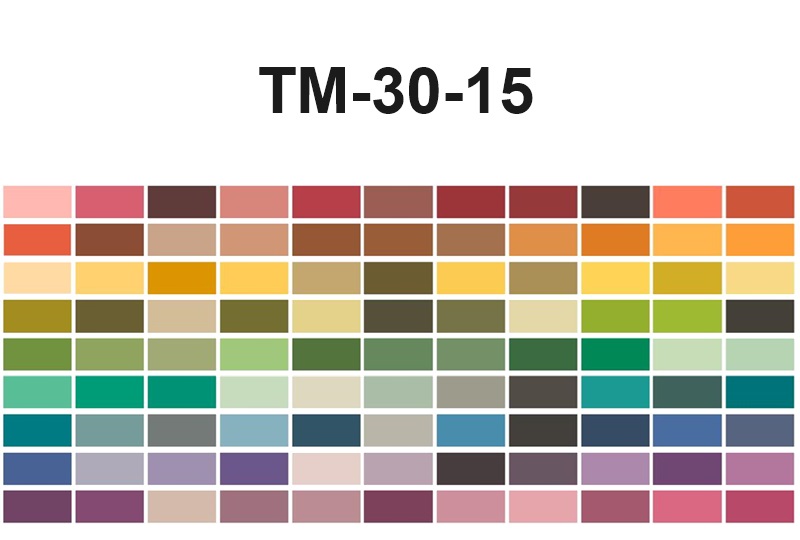
Mastering TM-30-15: Everything You Need to Know About Light Quality
Unveiling the Glow: Reasons Your LED Lights Glow After Switching Off
Related Article
Need an Instant Quote For Your Upcoming Projects?
Send us the details and we will get back to you within 12 hours.