
Is It Safe to Leave LED Strip Lights On 24/7? Find Out Here!
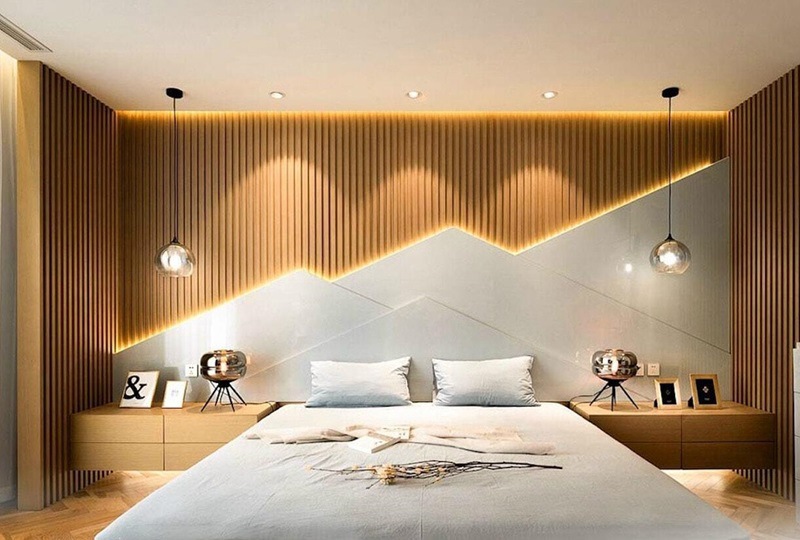
LED strip lights have become a popular choice due to their energy efficiency, longevity, and versatility. However, many people wonder about the safety of leaving these lights on continuously.
In this article, we'll explore the safety considerations, drawbacks, and best practices for using LED strip lights 24/7. By the end, you'll have a comprehensive understanding of whether it's safe to keep your LED strip lights on all the time and how to do so responsibly.
Quick Answer: Yes, it is generally safe to leave high-quality LED strip lights on 24/7, provided they are properly installed and maintained. However, there are important considerations and best practices to ensure safety and longevity.
Understanding LED Strip Lights
LED strip lights are flexible circuit boards embedded with light-emitting diodes (LEDs). They are known for their slim design, which makes them ideal for a variety of applications, including under-cabinet lighting, accent lighting, and decorative purposes. LED strip lights come in different colors, brightness levels, and sizes, allowing for customizable lighting solutions. Their energy efficiency, long lifespan, and low heat output make them a popular choice for both residential and commercial settings.
Safety Considerations for Leaving LED Strip Lights On Constantly
1) Heat Generation
LED strip lights generate heat, but significantly less than traditional incandescent or fluorescent bulbs. Excessive heat can accumulate over time, especially if the lights are improperly installed or used in confined spaces. High-quality LED products are designed with heat dissipation mechanisms, but it’s crucial to ensure adequate ventilation to prevent overheating.
2) Fire Risk
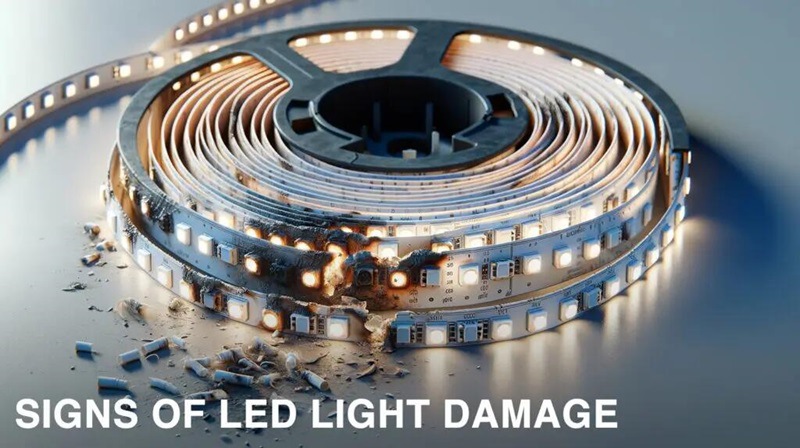
While the risk is minimal, low-quality or improperly installed LED strip lights can pose a fire hazard. Using certified LED products and following the manufacturer's installation guidelines can mitigate this risk. Ensure that the lights are not in contact with flammable materials and check for any signs of wear or damage regularly.
3) Electrical Overload
LED strip lights typically require a specific power supply. Using an inadequate power supply can lead to electrical overload, potentially causing circuit damage or fire. Always use the recommended power supply and avoid daisy-chaining multiple strips beyond the manufacturer's specifications.
4) Sleep Quality
Continuous light exposure can disrupt sleep patterns, particularly if the lights emit blue light. In bedrooms, it’s advisable to use warm color temperatures or dimmable lights to minimize disruption. Consider turning off or dimming the lights during sleep hours to maintain a healthy sleep environment.
4 Reasons Why It's Safe to Leave an LED Strip On Constantly
LED strip lights are widely recognized for their safety and efficiency, making them a reliable choice for continuous use. Here are four reasons why it's safe to leave LED strip lights on 24/7:
1) Energy Efficiency: LED strip lights consume significantly less electricity compared to traditional incandescent bulbs. Their energy-efficient design means they use minimal power, reducing the risk of overheating and keeping energy costs low even when left on continuously.
2) Low Heat Emission: LEDs emit very little heat compared to other lighting options. This low heat output reduces the risk of fire hazards and makes them safe to use in various settings, including enclosed spaces where heat buildup could be a concern.
3) Durability and Longevity: LED strip lights are designed to last for a long time, often up to 50,000 hours or more. Their durable construction and long lifespan mean they can handle continuous operation without significant degradation in performance or safety.
4) Consistent and Safe Illumination: LED strip lights provide steady, reliable illumination without the flicker or fluctuations common with some other types of lighting. This consistent light output ensures a stable environment, whether for security, ambiance, or functional lighting needs, without posing safety risks.
By considering these factors, you can confidently use LED strip lights for continuous lighting applications while maintaining safety and efficiency.
LED Strip Lights vs. Traditional Lighting for Overnight Use
 When it comes to leaving lights on overnight, comparing LED strip lights with traditional bulbs is crucial. Incandescent light bulbs, in particular, generate a lot of heat and consume significant power, making them inefficient for extended use. In contrast, LED strip lights use diodes and an efficient power supply system to provide ample brightness with much lower energy consumption. Therefore, when deciding whether it's better to sleep with LED lights or traditional bulbs, LEDs are the clear winner.
| Feature/Aspect | LED Strip Lights | Traditional Lighting |
| Energy Efficiency | High (consumes less electricity) | Low (consumes more electricity) |
| Heat Emission | Minimal amounts of heat | Produces more heat |
| Life Span | Longer (up to 50,000 hours or more) | Shorter (around 1,000 hours) |
| Safety Risks | Lower (due to less heat and voltage) | Higher (due to heat and potential for breakage) |
| Brightness | Adjustable; can be very bright | Typically fixed brightness |
| Color Options | Wide range (RGB capabilities) | Limited (mostly warm yellow) |
| Cost Over Time | Lower (due to energy efficiency) | Higher (due to frequent replacements) |
| Impact on Sleep | Can be adjusted to minimize sleep disruption | Fixed brightness can disrupt sleep |
| Flexibility in Installation | Highly flexible, can be placed almost anywhere | Fixed to a socket or fixture |
| Light Pollution | Can be minimized with adjustments | Typically higher |
| Environmental Impact | Lower (due to energy efficiency and longevity) | Higher (due to more frequent replacements) |
Best Practices for Safe Continuous Use
1) Choosing High-Quality LED Strip Lights:
Select LED strip lights from reputable manufacturers. Look for products with certifications such as UL, CE, or RoHS, which indicate compliance with safety and quality standards. Investing in high-quality LEDs ensures better performance and safety.
2) Proper Installation:
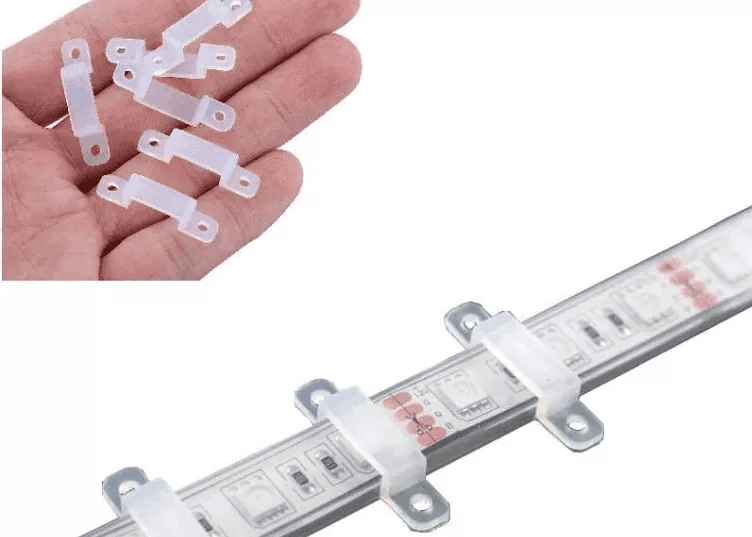
Correct installation is crucial for safe operation. Use appropriate connectors, avoid overloading circuits, and follow the manufacturer's guidelines. Ensure that the power supply matches the voltage and wattage requirements of the LED strip lights.
3) Monitoring and Maintenance
Regularly check the LED strip lights for signs of wear, damage, or overheating. Keep the strips clean and free from dust and debris to maintain optimal performance. Regular maintenance can prevent potential issues and extend the lifespan of the lights.

4 Reasons Not to Leave LED Lights On All the Time
While LED lights are known for their energy efficiency and longevity, there are still some important considerations to keep in mind before deciding to leave them on continuously. Here are four reasons why you might want to reconsider:
1) Increased Energy Costs
Even though LEDs are energy-efficient, leaving them on constantly will add to your electricity bill. It’s essential to weigh the benefits of continuous lighting against the additional energy costs.
2) Reduced Lifespan
Continuous operation can accelerate the wear and tear of LED components, shortening their overall lifespan. This can lead to more frequent replacements and increased costs over time.
3) Heat Buildup
Prolonged use can result in heat accumulation, potentially affecting the LED strip lights and nearby materials. Proper ventilation and regular checks can mitigate this risk.
4) Impact on Sleep Quality
Continuous lighting can disrupt natural sleep patterns, especially if the lights emit blue light. Using warm color temperatures and dimmable options can help reduce this impact.
FAQs
1. Can LED strip lights overheat if left on continuously?
LED strip lights can generate heat, but high-quality products are designed to dissipate it effectively. Ensure proper installation and ventilation to prevent overheating.
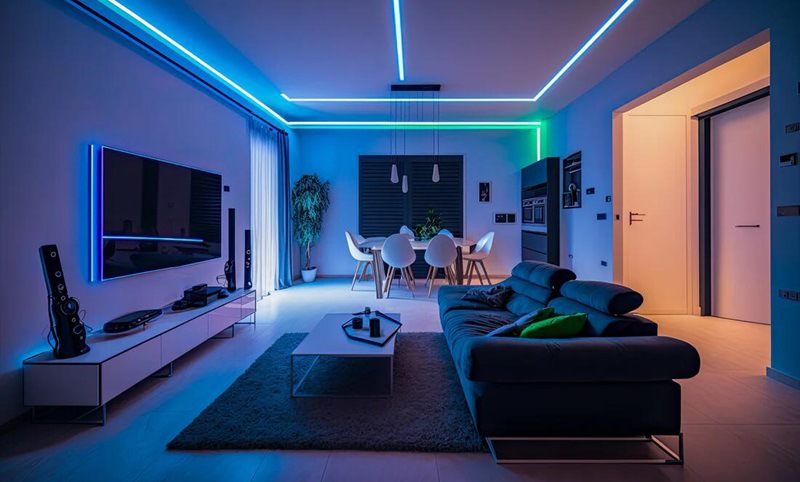
2. How long can LED strip lights stay on safely?
High-quality LED strip lights can stay on continuously for extended periods without issues, provided they are properly installed and maintained.
3. Are there specific LED strip lights designed for 24/7 use?
Yes, some LED strip lights are specifically designed for continuous operation. Look for products with appropriate certifications and specifications.
4. What should I do if my LED strip lights start to flicker or dim? Flickering or dimming can indicate a problem with the power supply or the LEDs themselves. Check connections, ensure the power supply is adequate, and consider replacing the lights if the issue persists.
5. How can I reduce the energy costs of leaving LED strip lights on all the time?
Use energy-efficient LED products, dim the lights when full brightness isn’t needed, and consider using timers or smart controls to manage usage.
6. Is it better to use a timer for LED strip lights if constant use is not necessary?
Yes, using a timer can help manage energy consumption and extend the lifespan of your LED strip lights by reducing unnecessary usage.
7. What are the signs that LED strip lights need to be replaced?
Dimming, flickering, or color changes can indicate that the LED strip lights are nearing the end of their lifespan. Physical damage or heat-related issues also signal the need for replacement.
8. Can leaving LED strip lights on all the time affect my electric bill significantly?
While LED strip lights are energy-efficient, continuous use will still contribute to your electricity bill. The impact depends on the number of lights and their power consumption.
Conclusion
Leaving LED strip lights on 24/7 is generally safe if you use high-quality products and follow best practices for installation and maintenance. Consider the benefits and potential drawbacks to make an informed decision. By balancing continuous use with energy efficiency and safety considerations, you can enjoy the advantages of LED strip lighting without compromising on safety or incurring unnecessary costs.
The Ultimate Guide to LED Binning & Light Consistency
How Cove Lighting Can Elevate Your Interior Design?
Related Article

Need an Instant Quote For Your Upcoming Projects?
Send us the details and we will get back to you within 12 hours.