
Can You Sleep With LED Strip Lights On?
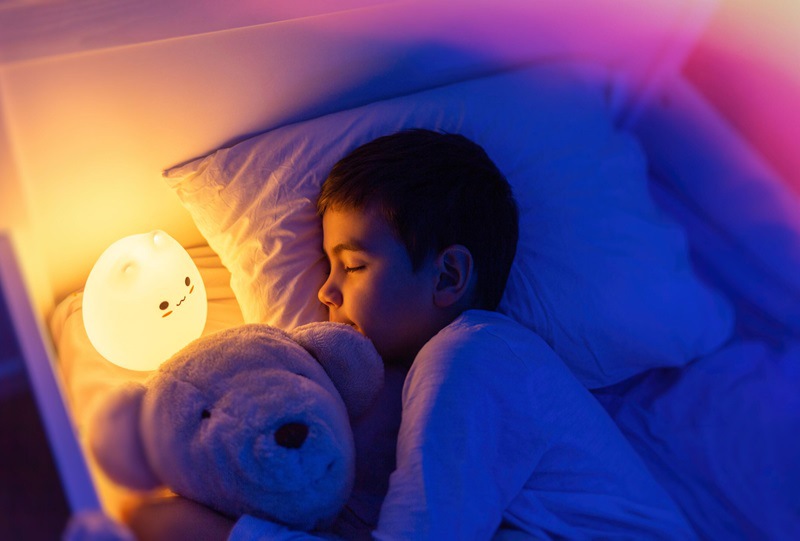
Have you ever found yourself drifting off to sleep surrounded by the soft, ambient glow of LED strip lights? With their vibrant colors and sleek design, these lights have become a popular addition to bedrooms, creating a cozy and modern atmosphere. However, as enchanting as they may be, many people wonder whether it's truly beneficial or potentially harmful to sleep with these lights on.
Here, I'll explore the effects of LED strip lights on sleep, weigh the pros and cons, and offer some practical tips to help you make an informed decision. So, can you sleep with LED strip lights on? Let’s find out!
Understanding LED Strip Lights
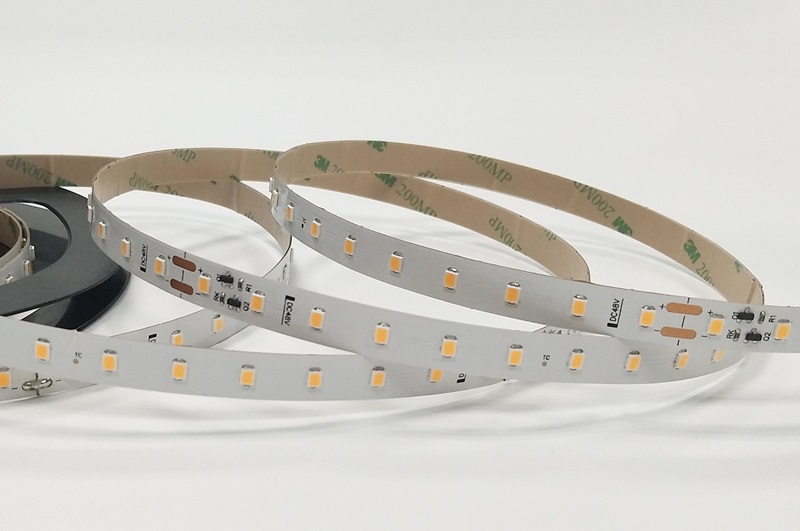
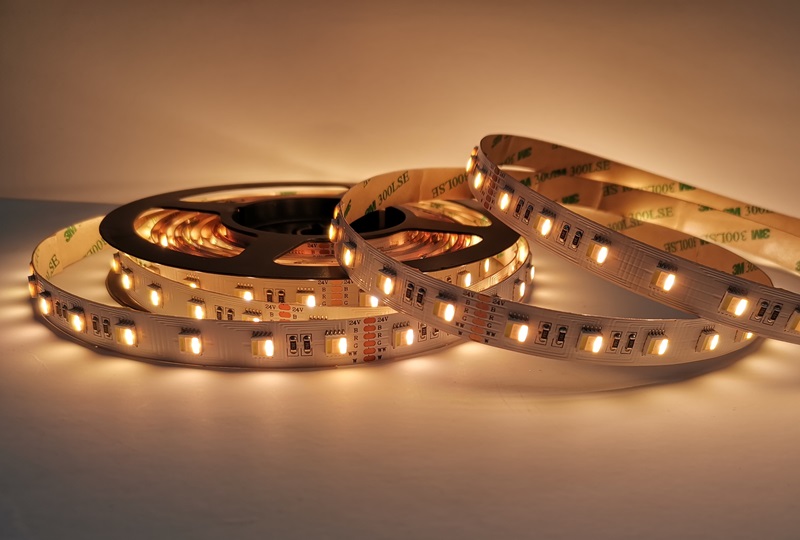
LED strip lights are flexible circuit boards populated with light-emitting diodes (LEDs) that can be adhered to various surfaces. They are known for their energy efficiency, long lifespan, and ability to emit a wide range of colors. These lights can be used for decorative purposes, task lighting, or even as primary light sources. Their versatility makes them popular in homes, particularly in places like bedrooms where they can create a relaxing and visually appealing environment.
The Science of Sleep and Light
Light plays a crucial role in regulating our sleep patterns through its influence on the circadian rhythm, the body's natural 24-hour cycle. Exposure to light, especially blue light, can suppress the production of melatonin, the hormone responsible for inducing sleep. Blue light, commonly emitted by screens and certain LED lights, is particularly disruptive as it tricks the brain into thinking it’s still daytime. Warm light, on the other hand, is less likely to interfere with melatonin production and is generally considered more sleep-friendly.
Pros and Cons of Sleeping with LED Strip Lights On
Pros:
Potential benefits of low-intensity lighting
Some people find that a small amount of light helps them feel more secure or comfortable, especially in unfamiliar environments. Low-intensity LED lights can provide just enough illumination to see without fully waking up.
Aesthetic and ambient benefits
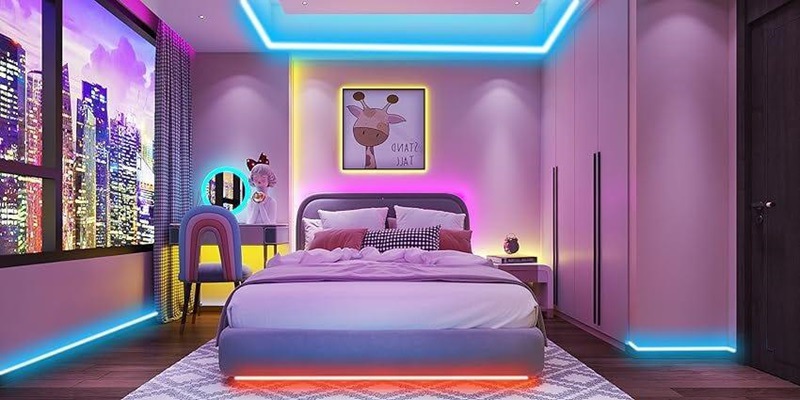
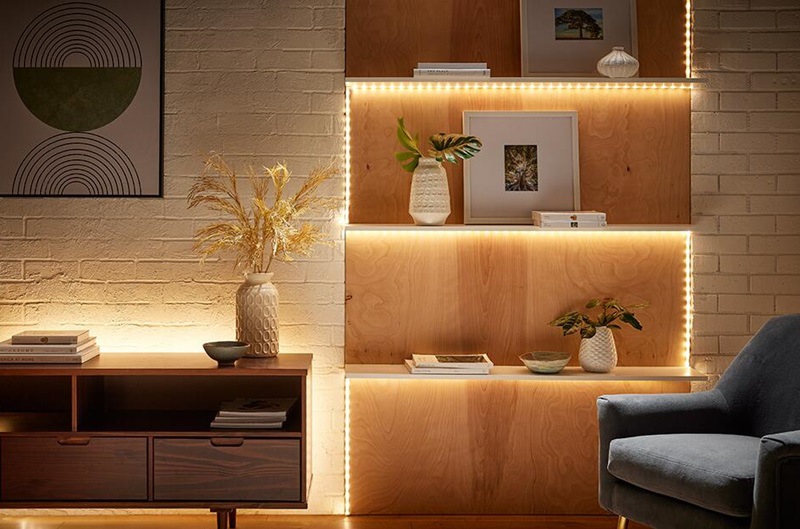
LED strip lights can create a soothing atmosphere in the bedroom. The soft glow can be calming and enhance the room's overall aesthetic, potentially contributing to a more relaxed state conducive to falling asleep.
Cons:
Impact on melatonin production
As mentioned earlier, exposure to light, particularly blue light, can inhibit melatonin production, making it harder to fall asleep and stay asleep. This disruption can lead to poorer sleep quality and negatively affect overall health.
Potential disturbances in sleep quality
Even if the light doesn't prevent you from falling asleep, it can still lead to lighter sleep or more frequent awakenings throughout the night. This can result in feeling less rested and more fatigued during the day.
How to Minimize the Impact of LED Lights on Sleep
Choosing the right color temperature for sleep
Opt for LED strip lights that offer warm light options, usually in the range of 2700K to 3000K. These colors are less likely to interfere with your sleep cycle compared to cooler, blue-tinted lights.
Using dimmable LED strip lights
Dimmable lights allow you to adjust the brightness to the lowest comfortable setting. Lowering the intensity of the light can reduce its impact on melatonin production and make it easier to fall asleep.
Setting timers for automatic shutoff
Many LED strip lights come with timer functions. Setting the lights to turn off after a certain period can ensure they don't stay on all night, reducing their potential to disrupt sleep.
Positioning lights to reduce direct exposure
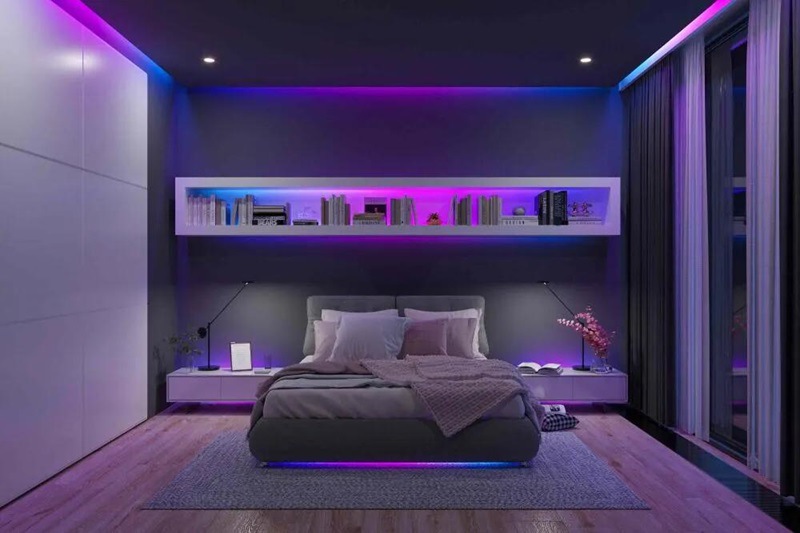
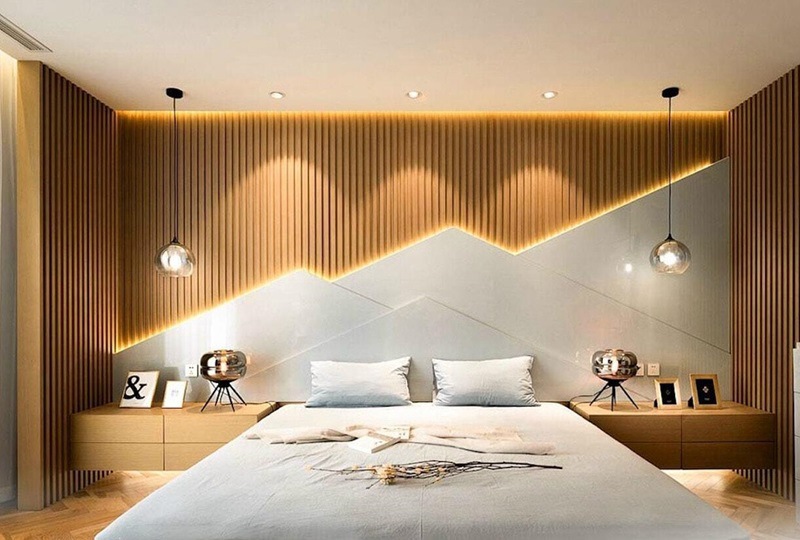
Place LED strip lights in areas where they provide indirect lighting. For instance, under-bed lighting or behind furniture can illuminate the room softly without shining directly into your eyes.
Personal Experiences and Anecdotes
Personal experiences with LED strip lights can vary widely. Some people find that the ambient glow helps them relax and fall asleep more easily, while others may experience disturbances in their sleep quality. For example, one might find the subtle light helpful for nighttime navigation or creating a soothing bedtime atmosphere. However, another individual might report difficulty staying asleep or feeling less rested due to the presence of light. Including a range of personal stories can help readers understand how LED strip lights might affect them and consider how their own experiences align with these anecdotes.
FAQs
1. Do LED strip lights use a lot of energy if left on all night?
LED strip lights are generally very energy-efficient, consuming far less power than traditional incandescent bulbs. Even if left on all night, the energy cost is minimal. However, for environmental and cost-saving reasons, it’s still advisable to use them judiciously and consider using a timer.
2. Can LED strip lights cause eye strain?
Extended exposure to bright lights, including LED strip lights, can cause eye strain, particularly if the lights are positioned at eye level or are too bright. Dimming the lights or positioning them indirectly can help mitigate this issue.
3. Are there health risks associated with sleeping with LED strip lights on?
While there are no severe health risks, sleeping with LED strip lights on can interfere with melatonin production, potentially leading to disrupted sleep cycles and poorer sleep quality. Chronic sleep disruption can have various negative health effects over time.
4. Is it better to use warm or cool light for sleeping?
Warm light is generally better for sleeping. It has less blue light content, which means it’s less likely to interfere with melatonin production. Warm light creates a more natural and relaxing environment conducive to sleep.
5. Can LED strip lights interfere with my sleep cycle?
Yes, LED strip lights, especially those that emit blue light, can interfere with your sleep cycle by inhibiting melatonin production and disrupting your circadian rhythm. Using warm, dimmable lights and setting them on a timer can help minimize this effect.

6. Are there specific brands of LED strip lights recommended for bedrooms?
There are many brands that offer LED strip lights suitable for bedrooms. Look for brands that provide warm light options, dimmable features, and timers. Popular brands like Philips Hue, Govee, and LIFX offer a range of products designed to be user-friendly and customizable.
7. How can I make LED strip lights less disruptive to my sleep?
Use warm-colored, dimmable LED strip lights, position them to provide indirect lighting, and set them on a timer to turn off after you fall asleep. These adjustments can help minimize their impact on your sleep.
8. What alternatives to LED strip lights can create a relaxing sleep environment?
Alternatives include traditional nightlights, Himalayan salt lamps, and smart bulbs that can be programmed to emit warmer light in the evening. Blackout curtains and sleep masks can also help create a dark environment conducive to sleep.
Conclusion
Sleeping with LED strip lights on has its pros and cons. While they can create a calming and aesthetically pleasing environment, their impact on sleep quality cannot be ignored. By choosing the right type of light, using dimmable features, and setting timers, you can enjoy the benefits of LED strip lights without compromising your sleep. Ultimately, finding what works best for your sleep needs is key. Experiment with different setups and observe how your body responds to ensure you get the restful sleep you deserve.
How Cove Lighting Can Elevate Your Interior Design?
Will LED Strip Lights Stick to Wood?
Related Article

Need an Instant Quote For Your Upcoming Projects?
Send us the details and we will get back to you within 12 hours.