
Why Are LED Strip Lights So Popular? 10 Reasons You Need Them
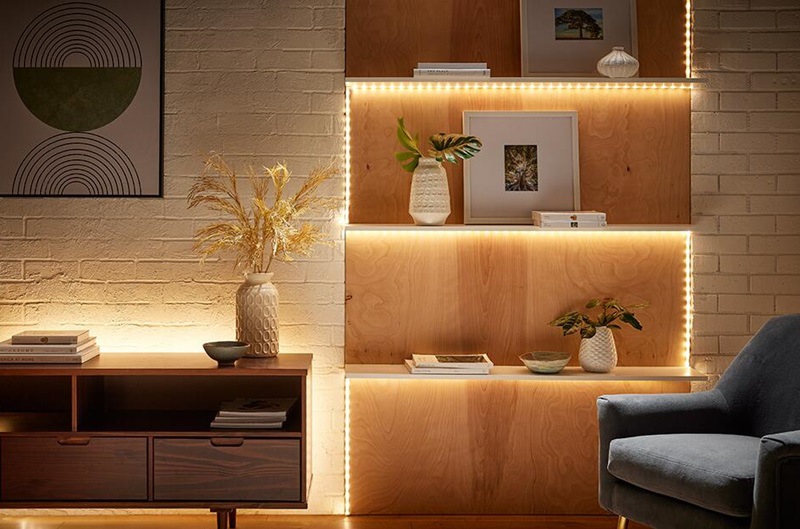
LED strip lights have taken the lighting world by storm, and it's no wonder why. Their rise in popularity isn't just a passing trend; it's a revolution in how we illuminate our spaces. Whether it's for a cozy home atmosphere, a vibrant retail display, or a cutting-edge smart home setup, LED strip lights offer unmatched flexibility and style.
In this blog post, I'll dive into the top 10 reasons why LED strip lights are the go-to choice for lighting enthusiasts and everyday users alike. From energy efficiency to easy installation, you'll discover why these versatile lights are a must-have addition to any space. Ready to transform your lighting game? Let's get started!
1. Energy Efficiency
LED strip lights are renowned for their energy efficiency. They consume significantly less power compared to traditional incandescent and fluorescent lights. This means lower electricity bills and a reduced carbon footprint. LED technology converts most of the energy into light rather than heat, making it a more efficient lighting solution. For instance, an LED strip light can produce the same amount of light as a traditional bulb while using only a fraction of the energy. This efficiency translates into substantial savings over time, especially in spaces where lights are used extensively.
2. Versatility in Design

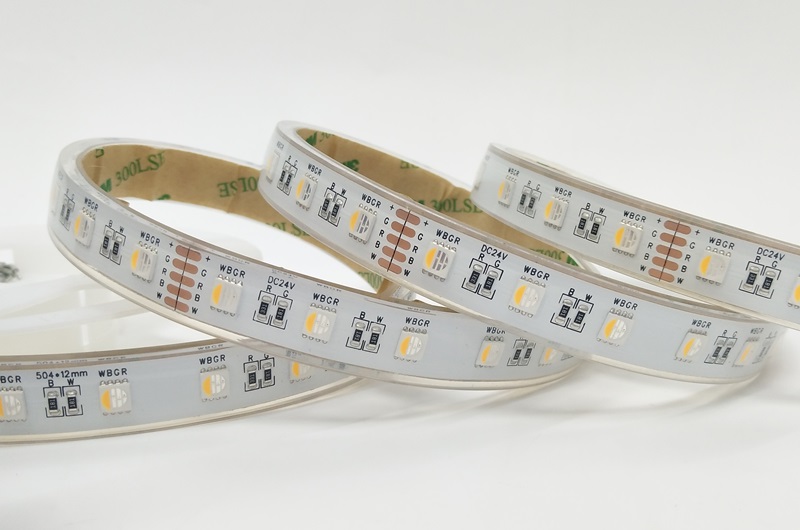
One of the standout features of LED strip lights is their incredible versatility in design. These lights come in various lengths, colors, and brightness levels, allowing you to tailor them to fit any space or creative vision. They can be used to highlight architectural features, create ambient lighting, or even serve as task lighting in kitchens and workspaces. The flexibility of the strips enables them to be bent and shaped around corners and edges, making them ideal for both straight and curved surfaces. Whether you're aiming for a subtle glow or a vibrant display, LED strip lights can be customized to meet your specific needs.
3. Easy Installation

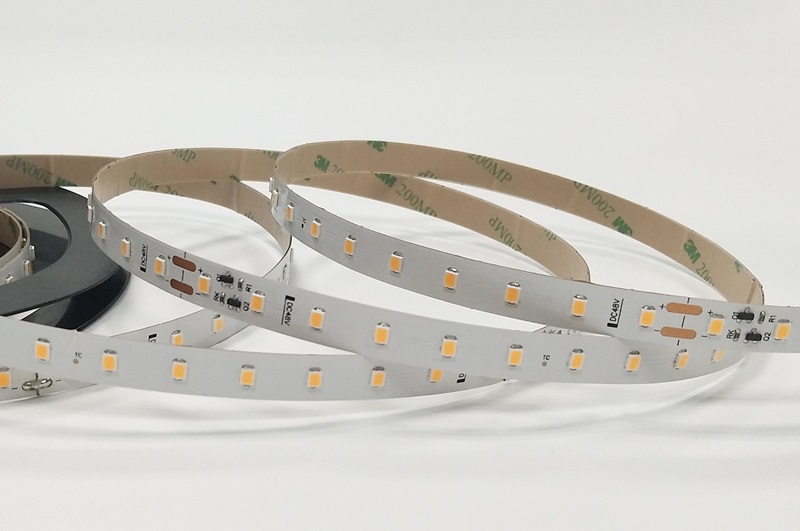
Installing LED strip lights is a straightforward process that doesn't require professional expertise. Most LED strips come with 3M adhesive backing, making them easy to attach to various surfaces. For a more secure installation, mounting clips and tracks are available. Additionally, many LED strips can be cut to size, allowing you to fit them perfectly in your desired location. With simple plug-and-play connectors, you can connect multiple strips together to cover larger areas. Detailed instructions are usually provided, and there are numerous online tutorials to guide you through the installation process.
If you want to install led strip around the corner, you can check: How to install led strip light around a corner?
4. Cost-Effectiveness
While the initial cost of LED strip lights may be higher than traditional lighting options, they offer long-term cost savings. Their energy efficiency reduces electricity bills, and their durability means fewer replacements and maintenance costs. LEDs have a longer lifespan than incandescent and fluorescent bulbs, often lasting up to 50,000 hours or more. This longevity ensures that you get the most out of your investment. Additionally, the declining cost of LED technology over the years has made these lights more affordable than ever, providing a cost-effective solution for both residential and commercial applications.
5. Durability and Longevity
LED strip lights are built to last. They are made from robust materials that can withstand various environmental conditions, including extreme temperatures and humidity. Unlike traditional bulbs, LEDs are resistant to shock and vibrations, making them ideal for use in high-traffic areas and outdoor spaces. Their long lifespan, which can exceed 50,000 hours, means you won't need to replace them frequently. This durability makes LED strip lights a reliable lighting solution for both indoor and outdoor use, ensuring consistent performance over time.
6. Color Options and Customization

7. Smart Home Integration
LED strip lights can easily integrate with smart home systems, adding convenience and automation to your lighting setup. Many modern LED strips are compatible with popular smart home platforms like Amazon Alexa, Google Assistant, and Apple HomeKit. This integration allows you to control your lights using voice commands, schedule them to turn on or off at specific times, and even sync them with other smart devices. Smart LED strips can also be controlled remotely via smartphone apps, giving you the ability to adjust your lighting from anywhere. This level of control and automation enhances the overall functionality and convenience of your home lighting.
8. Safety Features
LED strip lights are a safer lighting option compared to traditional lighting sources. They produce very little heat, reducing the risk of burns and fire hazards. LEDs operate at low voltage, which further minimizes the risk of electrical shocks. Additionally, they do not contain hazardous materials like mercury, which is found in some fluorescent bulbs. This makes them safer for the environment and for your home. LED strip lights also have a sturdy construction that is less prone to breakage, ensuring safer handling and installation.
9. Environmental Impact
LED strip lights are an environmentally friendly lighting option. Their high energy efficiency means they consume less power, which reduces greenhouse gas emissions from power plants. LEDs have a longer lifespan, leading to less waste and fewer replacements. Additionally, they do not contain harmful substances like mercury, making them easier to dispose of and recycle. By choosing LED strip lights, you contribute to a more sustainable future by reducing your carbon footprint and minimizing environmental impact.
10. Popular Applications

LED strip lights have a wide range of applications, both indoors and outdoors.
| Application | Specific Uses | Benefits | Common Locations |
| Accent Lighting | Highlighting architectural features, artwork | Enhances aesthetic appeal, adds depth | Living rooms, hallways, entryways |
| Under-Cabinet Lighting | Illuminating countertops, task lighting | Improves visibility, adds functionality | Kitchens, workspaces |
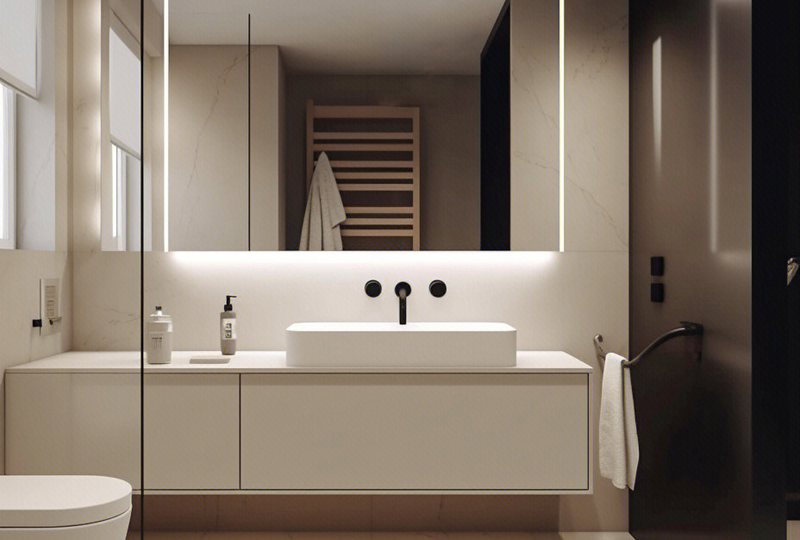
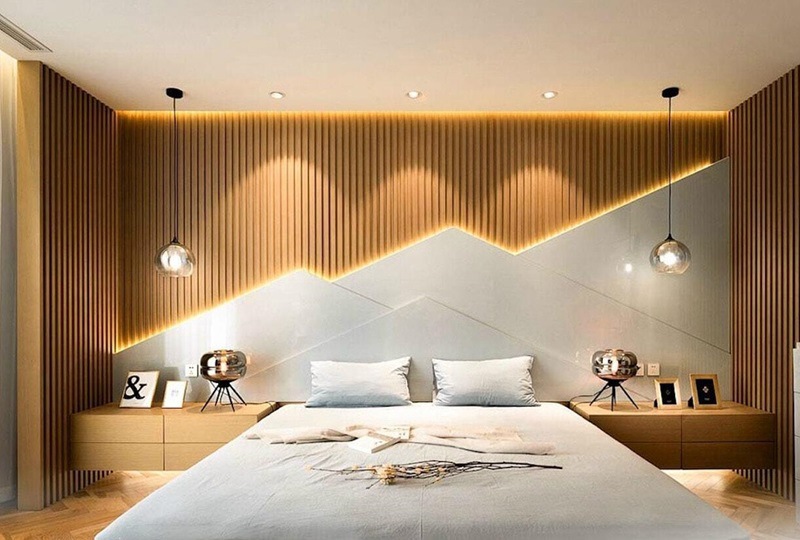
| Ambient Lighting | Creating a soft, diffused light | Sets mood, creates a relaxing atmosphere | Bedrooms, living rooms |
| Display Lighting | Highlighting merchandise, creating focal points | Increases product visibility, attracts attention | Retail stores, showrooms |
| Signage Lighting | Illuminating signs, logos | Enhances visibility, improves brand presence | Commercial buildings, storefronts |
| Dynamic Lighting Effects | Creating color-changing effects, syncing with music | Adds excitement, enhances customer experience | Restaurants, bars, clubs |
| Landscape Lighting | Illuminating gardens, pathways | Enhances outdoor ambiance, improves safety | Gardens, walkways, patios |
| Pathway Illumination | Lighting up walkways, driveways | Increases safety, adds visual appeal | Driveways, sidewalks |
| Architectural Enhancement | Highlighting building features, facades | Adds drama, emphasizes architectural design | Building exteriors, facades |
| Event Lighting | Creating themed lighting, highlighting decor | Adds atmosphere, enhances event experience | Weddings, parties, corporate events |
FAQs:
1. Can LED strip lights be used outdoors?
Yes, there are waterproof LED strip lights specifically designed for outdoor use. These strips are usually waterproof and can withstand various weather conditions, making them ideal for landscape lighting, pathway illumination, and architectural enhancement.
2. How do I install LED strip lights?
Installing LED strip lights is simple. Most come with adhesive backing for easy attachment to surfaces. You can cut them to the desired length, connect them using plug-and-play connectors, and power them with an appropriate power supply. Detailed instructions are usually provided by the manufacturer.
3. Can LED strip lights be cut to size?
Yes, LED strip lights can be cut to the desired length. They typically have cut lines marked at regular intervals, allowing you to trim them without damaging the rest of the strip.
4. How long do LED strip lights last?
LED strip lights have a long lifespan, often exceeding 50,000 hours. This longevity means they can last for many years with regular use, reducing the need for frequent replacements.
5. Are LED strip lights dimmable?
Yes, many LED strip lights are dimmable. You can control the brightness using compatible dimmers, remote controls, or smartphone apps, depending on the type of strip and its controller.
6. What voltage do LED strip lights operate on?
Most LED strip lights operate on low voltage, typically 12V or 24V DC. This low voltage makes them safer to use and easier to install.
7. Can LED strip lights be connected to a smart home system?
Yes, many modern LED strip lights are compatible with smart home systems like Amazon Alexa, Google Assistant, and Apple HomeKit. This allows you to control them using voice commands, schedules, and remote access.

8. How can I control LED strip lights?
LED strip lights can be controlled using various methods, including remote controls, wall switches, smartphone apps, and smart home systems. The control method depends on the type of LED strip and its controller.
9. Can LED strip lights be used as the main source of lighting?
While LED strip lights are excellent for accent and task lighting, they may not be sufficient as the sole source of lighting in a room. They work best when combined with other lighting sources to achieve adequate illumination.
10. What color temperatures are available for LED strip lights?
LED strip lights are available in various color temperatures, ranging from warm white (2700K-3000K) to cool white (5000K-6500K). Some strips offer tunable white options, allowing you to adjust the color temperature to suit your preference.
11. How do I choose the right power supply for LED strip lights?
To choose the right power supply, calculate the total wattage of your LED strip lights and add a safety margin of 20-30%. Ensure the power supply voltage matches the voltage requirement of the LED strips (e.g., 12V or 24V).
12. Can I connect multiple LED strip lights together?
Yes, you can connect multiple LED strip lights together, but be mindful of the total power consumption and voltage drop. Using appropriate connectors and ensuring the power supply can handle the total load is crucial.
Conclusion
LED strip lights have truly revolutionized the way we think about lighting. Their popularity is well-deserved, thanks to their energy efficiency, versatility, and ease of installation. Whether you're looking to add a touch of elegance to your home, create a dynamic ambiance in a commercial space, or enhance outdoor areas, LED strip lights offer a solution that is both practical and aesthetically pleasing. From their customizable color options to their integration with smart home systems, these lights provide endless possibilities to suit any need or preference.
LED Strip vs Neon Flex: A Comprehensive Comparison Guide
The Ultimate Guide To Addressable LED Strip in 2026
Related Article
Need an Instant Quote For Your Upcoming Projects?
Send us the details and we will get back to you within 12 hours.