
The Ultimate Guide To Waterproof LED Strip Light in 2026
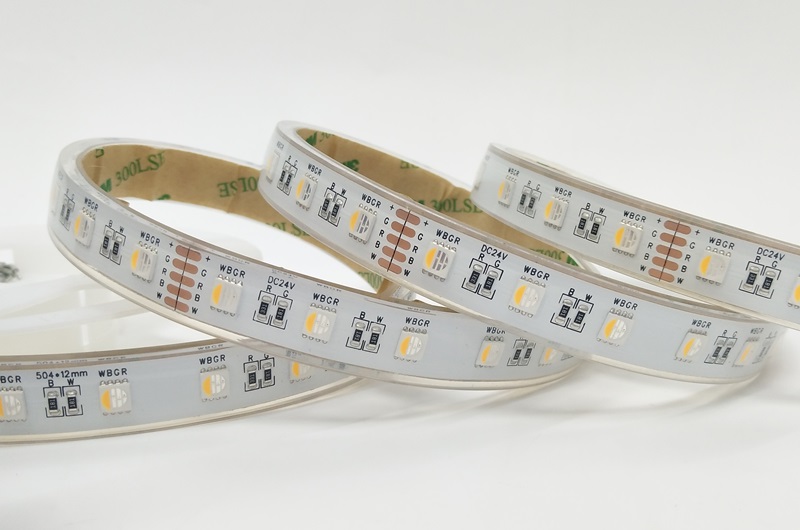
Waterproof LED strip lights are a game-changer in lighting solutions, offering both versatility and durability. Whether you’re enhancing your outdoor patio, lighting up a pool, or creating a sleek ambiance in moisture-prone areas like kitchens or bathrooms, these lights are built to withstand the elements. With different waterproof ratings like IP65, IP67, and IP68, there’s a perfect option for every environment—from light rain exposure to full submersion underwater. In this guide, we’ll walk you through the benefits, applications, and installation tips to help you make the most of waterproof LED strip lights for your next project.
What’s Waterproof LED Strip Light?
Waterproof LED strip lights are flexible lighting solutions encased in protective materials, such as silicone or polyurethane, to prevent moisture and water from damaging the internal components. These lights are ideal for environments where they may come in contact with water, such as bathrooms, kitchens, outdoor spaces, pools, and fountains. By utilizing waterproof materials, these LED strips ensure longevity and safety in wet conditions.
What’s an IP Rating?
The IP (Ingress Protection) rating is an international standard used to define the level of protection an electrical device offers against solid particles like dust and liquids like water. IP ratings consist of two numbers: the first digit represents protection against solid objects, while the second indicates protection from liquids.
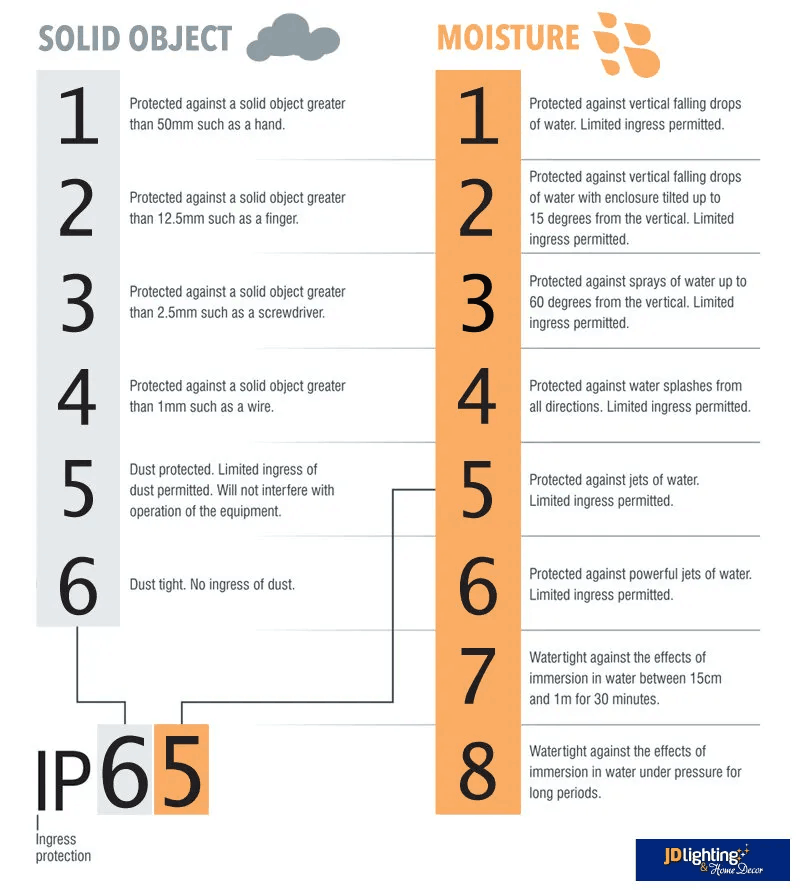
First Digit (Solids): Ranges from 0 (no protection) to 6 (dust-tight).
Second Digit (Liquids): Ranges from 0 (no protection) to 8 (protected against immersion in water).
For example, an IP65 rating means the device is dust-tight and protected from low-pressure water jets from any direction, making it ideal for outdoor use.
Types of Waterproof LED Strip Lights

Different waterproof levels are available based on the IP rating. Here's a breakdown of the types:
| Waterproof Material | IP Rate | Application | Brightness Reduction |
Color Shift | Outlet Way (Single end) |
Mode of Fixation | Accessories |
| Non-waterproof | IP20 | Indoor | / | / | Normal Wire | 3M adhesive tape | / |
| Heat shrinkable sleeve | IP64 | Indoor or semi-outdoor |
3% | 3% | Normal Wire | 3M adhesive tape | / |
| Spray silicone glue | IP64 | Indoor or semi-outdoor |
3% | High | Normal Wire | 3M adhesive tape | / |
| Silicone or PU glue | IP64 | Indoor or semi-outdoor |
3% | High | Normal Wire | 3M adhesive tape | / |
| Silicone tube | IP66 | Outdoor | 5% | 3% | Waterproof Wire | Clips+Screw | End cap+Clips+Screw |
| Half silicone tube with glue filling | IP67 | Outdoor | 5% | 3% | Waterproof Wire | Clips+Screw | End cap+Clips+Screw |
| Whole silicone tube with glue filling | IP68 | under the water, within 2 meters deep | 5% | High | Waterproof Wire | Clips+Screw | End cap+Clips+Screw |
| Square hollow silicone extrusion | IP65 | Outdoor | 5% | 3% | Waterproof Wire | Clips+Screw | End cap+Clips+Screw |
| Half-round hollow silicone extrusion | IP65 | Outdoor | 5% | 3% | Waterproof Wire | Clips+Screw | End cap+Clips+Screw |
| Solid silicone extrusion | IP68 | under the water, within 2 meters deep | 5% | High | Waterproof Wire | Clips+Screw | End cap+Clips+Screw |
The common material to make waterproof LED strips
The most common materials used for waterproof LED strips are Epoxy resin, PU glue, and Silicone, each with distinct properties. Let’s compare them:
| Characteristic | Epoxy Resin | Polyurethane Glue | Silicone |
| Cost | Low | High | Highest |
| Temperature Resistance | 0-60°C, hardens at low temperatures | -40-80°C, performance remains stable | -50-300°C, performance remains stable |
| Thermal Conductivity | Poor, difficult to dissipate heat | High, good thermal conductivity | High, excellent thermal conductivity |
| Yellowing Resistance | Noticeable yellowing after 6 months | Cheap version: yellows after 6 months. High-quality version: no yellowing, maintains color stability. | No yellowing, maintains long-term color stability |
| Toxicity | Low, relatively safe | High, emits odors after curing | Non-toxic, eco-friendly |
| Light Transmission | 92%, relatively low | 96%, good light transmission | 96%, best light transmission |
| Weather Resistance | Not resistant to extreme temperatures, cracks easily | Tolerates some temperature variations, but not high heat | Excellent weather resistance, suitable for extreme environments |
| Application Scenarios | Suitable for low-cost indoor lighting | Usable for outdoor and cold environments, but not suitable for high temperatures | Ideal for high-end projects such as hotels, yachts, and extreme temperature environments |
Epoxy Resin
Epoxy resin is a low-cost, easy-to-use material commonly found in budget LED strips. It has minimal toxicity, making it popular in cheaper products.
However, it has significant drawbacks:
Thermal conductivity is poor, which shortens the lifespan of the LED strips.
It tends to yellow within six months, impacting the light's color temperature.
Its temperature resistance is weak, causing it to harden and crack in cold conditions, especially below 0°C.
PU Glue (Polyurethane)
PU glue offers better performance than epoxy resin but at a higher cost. It resists yellowing, performs better in low temperatures, and has improved heat conductivity.
However, it also comes with downsides:
Toxicity is a concern, as PU glue releases unpleasant, harmful compounds after curing.
It is not suitable for high-temperature environments, as it cannot withstand temperatures above 80°C.
Silicone Glue
Silicone is the most expensive option but provides the best overall performance.
It combines the advantages of both epoxy resin and PU glue:
It has excellent heat and cold resistance, remaining stable in temperatures ranging from -50°C to 300°C, making it ideal for extreme environments such as saunas or refrigerators.
No yellowing occurs over time, maintaining color temperature stability, which is critical for high-end projects like hotels and yachts.
Silicone also has good thermal conductivity, which aids in heat dissipation. However, for high-power LED strips (over 20W/m), aluminum channels are recommended to further manage heat.
What’s the Wire Length Suggestion for Waterproof LED Strip Light?
24V Voltage Drop & Wire Length Distance (3% Drop or 23.28V)
| Load Wire |
20W 0.83A |
30W 1.3A |
40W 1.7A |
50W 2.1A |
60W 2.5A |
70W 2.9A |
80W 3.3A |
90W 3.75A |
100W 4.2A |
150W 6.25A |
200W 8.33A |
300W 12.5A |
| 20AWG | 13.1m [43ft.] |
8.2m [27ft.] |
6.4m [21ft.] |
5.2m [17ft.] |
4.3m [14ft.] |
3.7m [12ft.] |
3.1m [10ft.] |
2.7m [9ft.] |
2.4m [8ft.] |
1.2m [4ft.] |
Don't Use | Don't Use |
| 18AWG | 20.7m [68ft.] |
13.7m [45ft.] |
10.1m [33ft.] |
8.2m [27ft.] |
6.7m [22ft.] |
5.8m [19ft.] |
5.2m [17ft.] |
4.6m [15ft.] |
4.3m [14ft.] |
2.1m [7ft.] |
1.5m [5ft.] |
1m [3.5ft.] |
| 16AWG | 33.2m [109ft.] |
21.9m [72ft.] |
16.5m [54ft.] |
13.1m [43ft.] |
11m [36ft.] |
9.4m [31ft.] |
8.2m [27ft.] |
7.3m [24ft.] |
6.7m [22ft.] |
3.4m [11ft.] |
2.7m [9ft.] |
1.73m [5.7ft.] |
| 14AWG | 53m [174ft.] |
35.1m [115ft.] |
26.2m [86ft.] |
21m [69ft.] |
17.4m [57ft.] |
14.9m [49ft.] |
13.1m [43ft.] |
11.9m [39ft.] |
11m [36ft.] |
5.8m [19ft.] |
4.3m [14ft.] |
2.7m [9ft.] |
| 12AWG | 82.9m [272ft.] |
55.2m [181ft.] |
41.1m [135ft.] |
32.9m [108ft.] |
27.4m [90ft.] |
23.5m [77ft.] |
20.7m [68ft.] |
18.6m [61ft.] |
17.1m [56ft.] |
9.1m [30ft.] |
6.7m [22ft.] |
4.6m [15ft.] |
| 10AWG | 121m [397ft.] |
80.2m [263ft.] |
60m [197ft.] |
48.2m [158ft.] |
39.9m [131ft.] |
36.9m [121ft.] |
29.9m [98ft.] |
29.6m [97ft.] |
25m [82ft.] |
13.7m [45ft.] |
13.7m [35ft.] |
6.9m [22.7ft.] |
12V Voltage Drop & Wire Length Distance (3% Drop or 11.64V)
| Load Wire |
20W 0.83A |
30W 1.3A |
40W 1.7A |
50W 2.1A |
60W 2.5A |
70W 2.9A |
80W 3.3A |
90W 3.75A |
100W 4.2A |
150W 6.25A |
200W 8.33A |
300W 12.5A |
| 20AWG | 2.7m [9ft.] |
1.8m [6ft.] |
1.5m [5ft.] |
1.2m [4ft.] |
0.9m [3ft.] |
0.6m [2ft.] |
Don't Use | Don't Use | Don't Use | Don't Use | Don't Use | Don't Use |
| 18AWG | 5.2m [17ft.] |
3.4m [11ft.] |
2.4m [8ft.] |
1.8m [6ft.] |
1.5m [5ft.] |
1.2m [4ft.] |
1m [3.4ft.] |
0.9m [3ft.] |
0.8m [2.7ft.] |
0.5m [1.8ft.] |
0.4m [1.3ft.] |
Don't Use |
| 16AWG | 8.2m [27ft.] |
5.5m [18ft.] |
4m [13ft.] |
3.1m [10ft.] |
2.7m [9ft.] |
1.9m [6.2ft.] |
1.6m [5.4ft.] |
1.5m [4.8ft.] |
1.4m [4.5ft.] |
0.9m [2.9ft.] |
0.6m [2.1ft.] |
0.4m [1.4ft.] |
| 14AWG | 13.1m [43ft.] |
8.8m [29ft.] |
6.4m [21ft.] |
5.2m [17ft.] |
4.3m [14ft.] |
3m [9.8ft.] |
2.6m [8.5ft.] |
2.3m [7.7ft.] |
2.1m [7ft.] |
1.4m [4.6ft.] |
1m [3.4ft.] |
0.7m [2.3ft.] |
| 12AWG | 20.7m [68ft.] |
13.7m [45ft.] |
10.4m [34ft.] |
8.2m [27ft.] |
6.7m [22ft.] |
4.9m [16ft.] |
4.1m [13.5ft.] |
3.7m [12ft.] |
3.4m [11ft.] |
2.3m [7.4ft.] |
1.7m [5.5ft.] |
1.1m [3.6ft.] |
| 10AWG | 30.2m [99ft.] |
20.1m [66ft.] |
14.9m [49ft.] |
11.9m [39ft.] |
10.1m [33ft.] |
7.6m [25ft.] |
7.5m [24.5ft.] |
5.9m [19.5ft.] |
5.5m [18ft.] |
3.5m [11.6ft.] |
2.6m [8.6ft.] |
1.8m [6ft.] |
How to Choose a Power Supply for Waterproof LED Strip Lights?
Selecting the right power supply is critical for optimal performance and safety. Here’s how to choose one for waterproof LED strip lights:
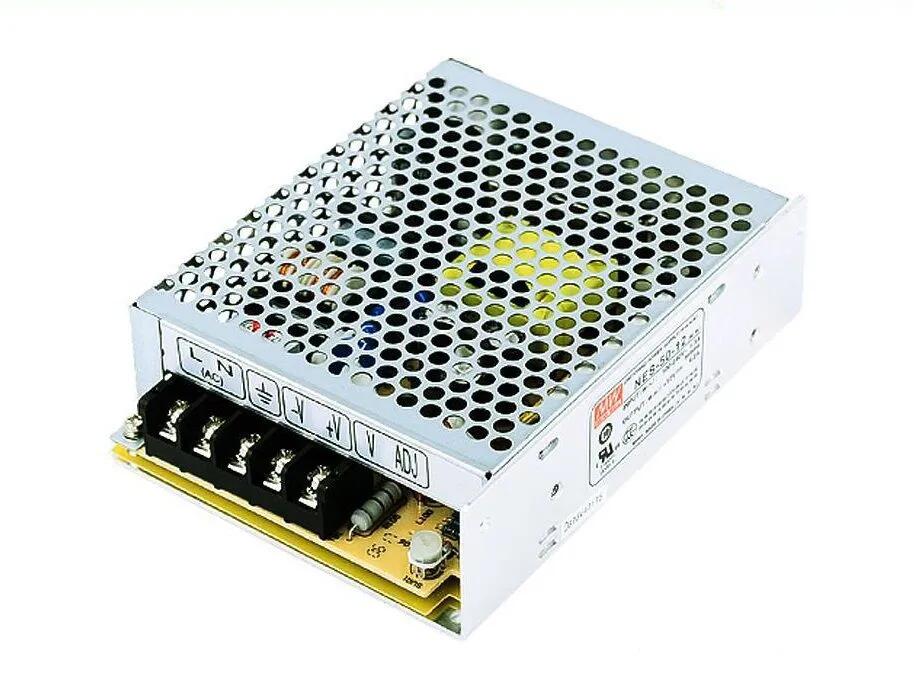
Determine Voltage Requirements: Most LED strips operate on 12V or 24V. Check your strip’s specifications to ensure you select the right voltage power supply.
Calculate Wattage:
Multiply the wattage per meter of the strip by the total length of the strip to get the total wattage required. Add a 20-30% safety margin to ensure the power supply is not overloaded.
For example, if your LED strip consumes 5W per meter and you have a 10-meter strip:
5W/m × 10m = 50W.
Add a safety margin:
50W × 1.3 = 65W. You’ll need a power supply that can deliver at least 65W.
Here is a table for your reference:
| Rated Power | 40W | 60W | 80W | 100W | 120W | 150W | 185W | 200W | 240W | 320W | 360W | 480W |
| 4.8W | 6.7m | 10m | 13.3m | 16.7m | 20m | 25m | 30.8m | 33.3m | 40m | 53.3m | 60m | 80m |
| [22ft.] | [32.8ft.] | [43.6ft.] | [54.8ft.] | [65.6ft.] | [82ft.] | [101ft.] | [109.3ft.] | [131.2ft.] | [174.9ft.] | [196.9ft.] | [262.5ft.] | |
| 7.2W | 4.4m | 6.7m | 8.9m | 11.1m | 13.3m | 16.7m | 20.6m | 22.2m | 26.7m | 35.6m | 40m | 53.3m |
| [14.4ft.] | [22ft.] | [29.2ft.] | [36.4ft.] | [43.6ft.] | [54.8ft.] | [67.6ft.] | [72.8ft.] | [87.6ft.] | [116.8ft.] | [131.2ft.] | [174.9ft.] | |
| 9.6W | 3.3m | 5m | 6.7m | 8.3m | 10m | 12.5m | 15.4m | 16.7m | 20m | 26.7m | 30m | 40m |
| [10.8ft.] | [16.4ft.] | [22ft.] | [27.2ft.] | [32.8ft.] | [41ft.] | [50.5ft.] | [54.8ft.] | [65.6ft.] | [87.6ft.] | [98.4ft.] | [131.2ft.] | |
| 12W | 2.7m | 4m | 5.3m | 6.7m | 8m | 10m | 12.3m | 13.3m | 16m | 21.3m | 24m | 32m |
| [8.9ft.] | [13.1ft.] | [17.4ft.] | [22ft.] | [26.2ft.] | [32.8ft.] | [40.4ft.] | [43.6ft.] | [52.5ft.] | [69.9ft.] | [78.7ft.] | [105ft.] | |
| 14.4W | 2.2m | 3.3m | 4.4m | 5.6m | 6.7m | 8.3m | 10.3m | 11.1m | 13.3m | 17.8m | 20m | 26.7m |
| [7.2ft.] | [10.8ft.] | [14.4ft.] | [18.4ft.] | [22ft.] | [27.2ft.] | [33.8ft.] | [36.4ft.] | [43.6ft.] | [58.4ft.] | [65.6ft.] | [87.6ft.] | |
| 16W | 2m | 3m | 4m | 5m | 6m | 7.5m | 9.3m | 10m | 12m | 16m | 18m | 24m |
| [6.6ft.] | [9.8ft.] | [13.1ft.] | [16.4ft.] | [19.7ft.] | [24.6ft.] | [30.5ft.] | [32.8ft.] | [39.4ft.] | [52.5ft.] | [59.1ft.] | [78.7ft.] | |
| 18W | 1.8m | 2.7m | 3.6m | 4.4m | 5.3m | 6.7m | 8.2m [27ft.] | 8.9m | 10.7m | 14.2m | 16m | 21.3m |
| [5.9ft.] | [8.9ft.] | [11.8ft.] | [14.4ft.] | [17.4ft.] | [22ft.] | [26.9ft.] | [29.2ft.] | [35.1ft.] | [46.6ft.] | [52.5ft.] | [69.9ft.] | |
| 20W | 1.6m | 2.4m | 3.2m | 4m | 4.8m | 6m | 7.4m | 8m | 9.6m | 12.8m | 14.4m | 19.2m |
| [5.2ft.] | [7.9ft.] | [10.5ft.] | [13.1ft.] | [15.7ft.] | [19.7ft.] | [24.3ft.] | [26.2ft.] | [31.5ft.] | [42ft.] | [47.2ft.] | [63ft.] | |
| 24W | 1.3m | 2m | 2.7m | 3.3m | 4m | 5m | 6.2m | 6.7m | 8m | 10.7m | 12m | 16m |
| [4.3ft.] | [6.6ft.] | [8.9ft.] | [10.8ft.] | [13.1ft.] | [16.4ft.] | [20.3ft.] | [22ft.] | [26.2ft.] | [35.1ft.] | [39.4ft.] | [52.5ft.] | |
| 26W | 1.2m | 1.8m | 2.5m | 3.1m | 3.7m | 4.6m | 5.7m | 6.2m | 7.4m | 9.8m | 11.1m | 14.8m |
| [3.9ft.] | [5.9ft.] | [8.2ft.] | [10.2ft.] | [12.1ft.] | [15.1ft.] | [18.7ft.] | [20.3ft.] | [24.3ft.] | [32.2ft.] | [36.4ft.] | [48.6ft.] |
Waterproof Power Supply:
If your installation is outdoors or in a wet environment, opt for a waterproof power supply (IP67 or higher).
Constant Voltage:
Ensure that the power supply is a constant voltage power supply, as LED strips are designed to operate under constant voltage conditions.
What Brightness Do You Want for Waterproof LED Strip Lights?
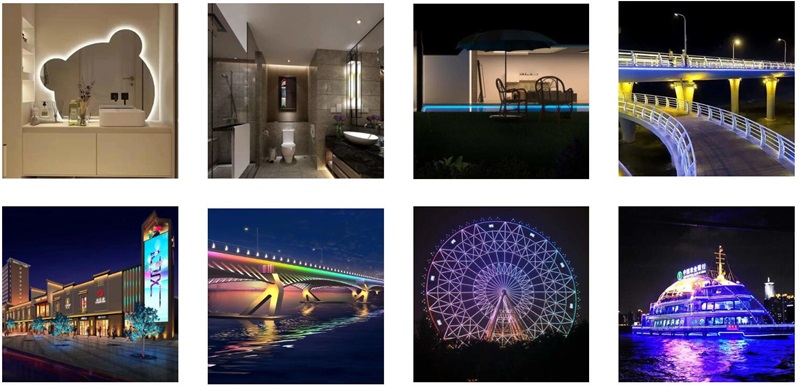
The brightness of LED strip lights is measured in lumens per meter (lm/m). The required brightness depends on the application:
Accent Lighting: 150-300 lm/m is ideal for subtle ambiance lighting in bedrooms, under cabinets, or along staircases.
Task Lighting: 500-700 lm/m is suitable for workspaces like kitchens, desks, and garages.
Outdoor and Pathway Lighting: 300-500 lm/m provides adequate brightness for outdoor paths, gardens, and decks.
High-Brightness Applications: 1000+ lm/m is recommended for larger areas or places where bright lighting is essential, such as outdoor patios or pool areas.
Consider choosing dimmable LED strips if you want flexibility in adjusting the brightness for different scenarios.
How to Install Waterproof LED Strip Lights?
Installing waterproof LED strips requires careful attention to ensure durability and performance:
Step 1: Measure the Area
Measure the length of the area where you plan to install the strip lights and cut the strip accordingly. Many LED strips have designated cut points where they can be safely cut without damaging the circuit.
Step 2: Clean the Surface
Ensure the surface is clean, dry, and smooth before mounting the LED strips. Use isopropyl alcohol to wipe away dust or grime.
Step 3: Mounting
Most waterproof LED strips come with adhesive backing. Peel off the adhesive cover and press the strip firmly onto the surface. For additional security, use mounting clips, especially for outdoor installations.
Step 4: Connect Power
Use waterproof connectors or solder wires and seal them with heat shrink tubing or silicone to maintain the waterproof integrity. Ensure the connections are secure and insulated.
Step 5: Test Before Final Installation
Before finalizing the installation, connect the strip to the power supply and test it to ensure everything works as expected.
Step 6: Sealing Cut Ends
If you cut the strip, ensure to reseal the ends using silicone sealant or waterproof end caps to maintain water resistance.
FAQs:
1. Can waterproof LED strips be cut?
Yes, waterproof LED strips can be cut at designated points, usually marked on the strip. After cutting, you must reseal the cut ends with silicone sealant or end caps to maintain the waterproofing.
2. Can I submerge waterproof LED strips in water?
Only IP67 and IP68 waterproof LED strips can be submerged in water. IP67 is suitable for shallow water, while IP68 can handle deeper and prolonged submersion, such as in pools or ponds.
3. What’s the best waterproof rating for outdoor use?
For outdoor applications, IP65 is usually sufficient to protect against rain and dust. For areas exposed to heavy rain or possible submersion, use IP67 or IP68 strips for added protection.
4. Can waterproof LED strips be installed on uneven surfaces?
Yes, waterproof LED strips are flexible and can be installed on uneven surfaces. For best results, use extra adhesive or mounting clips to ensure a secure installation, especially on rough surfaces.
5. Are waterproof LED strips dimmable?
Yes, most waterproof LED strips are dimmable if paired with a compatible dimmable power supply and dimmer switch. Make sure to check the specifications to ensure compatibility.
6. Can I control the color of waterproof LED strips?
Yes, RGB and RGBW waterproof LED strips allow color control using remotes or smartphone apps. You can adjust brightness, colors, and modes for customizable lighting effects.
7. Do waterproof LED strips get hot?
Waterproof LED strips emit minimal heat due to their energy efficiency. The waterproof coating, usually silicone or polyurethane, helps dissipate heat, keeping the strips safe to touch.
8. Can I use waterproof LED strips indoors?
Yes, waterproof LED strips are great for indoor use, especially in moisture-prone areas like bathrooms, kitchens, or even saunas. They’re durable and easy to clean, making them versatile for various indoor applications.
9. How long do waterproof LED strips last?
Waterproof LED strips generally last between 30,000 to 50,000 hours. High-quality materials, proper installation, and regular maintenance will help them reach their maximum lifespan.
10. What is the maximum length I can install?
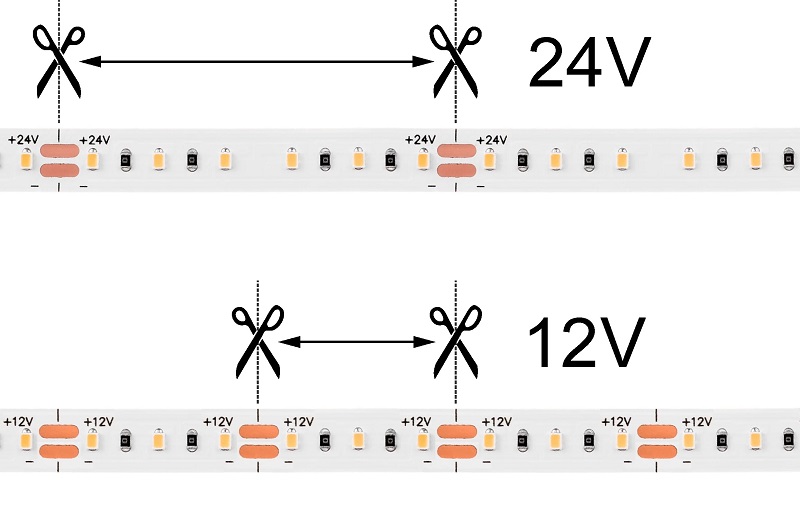
For 12V LED strips, the maximum length is usually 5 meters, while 24V strips can extend up to 10 meters. If you need longer runs, use power injectors or connect multiple strips in parallel.
11. Can waterproof LED strips be used in saltwater environments?
Yes, IP68-rated LED strips are suitable for saltwater environments, such as marine applications. Be sure to use marine-grade materials and connectors to prevent corrosion from saltwater exposure.
12. How do I prevent voltage drop in long runs of waterproof LED strip lights?
To prevent voltage drop, opt for 24V LED strips instead of 12V. You can also use power injectors at regular intervals or parallel wiring to maintain consistent brightness across longer installations.
13. What adhesive should I use to mount waterproof LED strips?
For strong adhesion, use 3M VHB tape or waterproof silicone adhesive. In outdoor or uneven surfaces, mounting clips are recommended to keep the strips securely in place.
14. Can I sync waterproof LED strips with music or smart home devices?
Yes, many waterproof LED strips are compatible with music sync features and smart home systems like Alexa or Google Assistant via Wi-Fi or Bluetooth controllers. This allows color and mode customization.
Conclusion
Waterproof LED strip lights combine functionality and design, giving you the flexibility to illuminate any space, rain or shine. Whether you’re adding style to an outdoor space or ensuring reliable lighting in high-humidity areas, these lights deliver long-lasting, energy-efficient results. By understanding the different waterproof ratings and materials, you can choose the perfect option to brighten your environment with confidence. Start transforming your spaces with waterproof LED strip lights and enjoy the benefits of durable, customizable lighting that stands up to the toughest conditions.
The Ultimate Guide to CSP LED Strip Lights
How Long Can LED Strips Be Powered from One End?
Related Article

Need an Instant Quote For Your Upcoming Projects?
Send us the details and we will get back to you within 12 hours.