
The Ultimate Guide to LED Binning & Light Consistency

The Ultimate Guide to LED Binning & Light Consistency
LED binning is a process used to sort LEDs into groups with similar characteristics. This ensures consistent light quality in various applications, from consumer electronics to architectural lighting. Understanding LED binning helps in choosing the right LEDs for your needs.
What is LED Binning?
LED binning is the process of sorting LEDs based on their performance characteristics, such as color, brightness, and voltage. During manufacturing, LEDs naturally vary in these aspects. Binning ensures that LEDs within the same bin exhibit similar properties, which is crucial for applications requiring uniform light quality.
The LED Manufacturing Process
Production:
The LED manufacturing process involves creating semiconductor wafers, which are then cut into individual LED chips. These chips are assembled into LED packages, tested, and sorted. The entire process includes epitaxy (growing the semiconductor layers), photolithography (patterning the layers), and packaging.
Variation:
During production, variations in materials and processes lead to differences in LED characteristics. Factors like temperature fluctuations and impurities can cause LEDs from the same batch to emit different colors, brightness levels, and voltages. Binning addresses these variations by grouping LEDs with similar properties.
Categories of LED Binning

Definition
Color binning is the sorting of LEDs based on their color output, measured in nanometers for monochromatic LEDs or in terms of correlated color temperature (CCT) for white LEDs.
Process
Manufacturers test LEDs for their color output and sort them into bins according to predefined color ranges. This ensures that LEDs used in the same application produce consistent color, which is vital for applications like display backlighting and architectural lighting.
2. Luminous Flux Binning
Definition
Luminous flux binning sorts LEDs based on their light output, measured in lumens. This category ensures that LEDs in the same bin emit similar levels of brightness.
Process
LEDs are tested for their luminous flux, and those with similar light outputs are grouped together. This process helps achieve uniform brightness in lighting applications, such as general illumination and automotive headlights.
3. Voltage Binning
Definition
Voltage binning categorizes LEDs based on their forward voltage, the voltage required for the LED to conduct current and emit light.
Process
LEDs are tested for their forward voltage, and those with similar voltages are placed in the same bin. This ensures that LEDs used in the same circuit operate efficiently and uniformly, preventing issues like uneven brightness and power distribution.

How LED Binning Affects LED Performance
Color Uniformity
Color binning ensures that all LEDs in an application emit light of the same color. This is vital for applications like display backlighting, where even slight variations in color can be noticeable and distracting.
Brightness Consistency
Luminous flux binning ensures uniform brightness across all LEDs in an installation. This consistency is important in general illumination, where uneven brightness can affect the functionality and aesthetics of the space.
Quality
Binning improves the overall quality of LED products. By ensuring that LEDs meet specific performance criteria, manufacturers can provide reliable and predictable lighting solutions. This results in better user experiences and fewer issues related to inconsistent LED behavior.
Standards for LED Binning in the Industry
LED binning standards vary depending on their applications. Here are some commonly used standards in the industry:
ANSI C78.377-2017: Established by the American National Standards Institute (ANSI), this standard specifies the color and chromaticity requirements for LED lamps and luminaires used in general lighting.
IES LM-80-08: Issued by the Illuminating Engineering Society (IES), this standard provides guidelines for measuring and reporting the lumen maintenance of LED light sources.
JEDEC JS709A: Created by the Joint Electron Device Engineering Council (JEDEC), this standard details the binning and sorting criteria for high-brightness LEDs.
CIE S025/E:2017: Formulated by the International Commission on Illumination (CIE), this standard outlines the guidelines for the color coordinates of LED light sources.
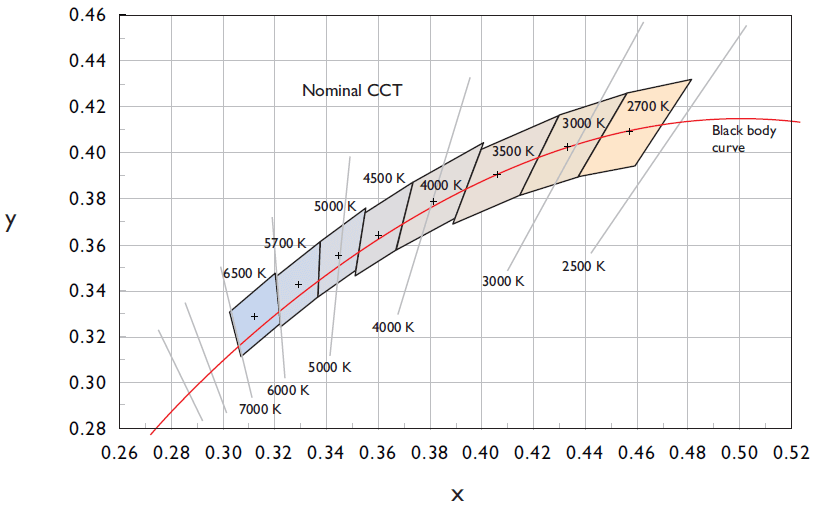
IEC 60081: Although primarily a standard for fluorescent lamps, it includes the definition of 5-step MacAdam ellipses for six nominal correlated color temperatures (CCTs).
What is a MacAdam Ellipse?

Manufacturers utilize the ANSI (American National Standards Institute) standard to ensure that LEDs have consistent color temperatures. ANSI defines chromatic aberrations using the concept of the MacAdam ellipse. This ellipse represents an area on a chromaticity diagram encompassing all colors that appear identical to the human eye when compared to the color at the center of the ellipse.
| SDCM | Visibility |
| 1 SDCM | Almost impossible to see a difference |
| 2 SDCM | Differences seen through measuring instruments |
| 3 SDCM | Less color differences visible |
| 4 SDCM | Visible color differences |
| 5 SDCM | Clear color differences |
Challenges in LED Binning
Cost
The binning process adds to the cost of LED manufacturing. Sorting and testing LEDs require specialized equipment and labor, which increases production expenses.
Complexity
Binning is a technically complex process that requires precise measurements and adherence to standards. Variations in production batches can make consistent binning challenging, necessitating continuous quality control and calibration.
FAQs
1. Why is LED binning important?
LED binning ensures LEDs have uniform characteristics such as color, brightness, and voltage, which is crucial for applications requiring consistent light quality. This is essential in areas like architectural lighting, displays, and signage, where inconsistencies can lead to unsatisfactory visual results.
2. What are the future trends in LED binning?
Future trends in LED binning include technological advancements that improve precision and efficiency, increased market demand for higher quality LEDs, and a growing focus on sustainability. These trends aim to enhance performance, reliability, and energy efficiency while reducing waste.
3. How does LED binning impact lighting design?
Consistent binning ensures uniform lighting in various applications. For architectural lighting, it ensures even illumination without noticeable variations in color or brightness. In displays and signage, it provides clear and consistent visuals. Proper binning allows lighting designers to create cohesive and visually appealing environments.

4. Can different bins be mixed in one application?
Mixing different bins within a single application is generally avoided because it can lead to noticeable inconsistencies in color and brightness. Using LEDs from different bins can result in an uneven lighting effect, which is undesirable for applications requiring uniform appearance.
5. How do manufacturers ensure binning accuracy?
Manufacturers ensure binning accuracy by using precision instruments and strict quality control measures. Advanced testing and measurement equipment evaluate the color, brightness, and voltage of each LED. Quality control processes, including regular calibration and adherence to industry standards, help maintain binning accuracy and consistency.
6. How does binning affect LED lifespan?
Binning itself does not directly impact the lifespan of an LED. However, achieving uniformity in color and brightness through proper binning can improve the overall performance and longevity of the lighting system. Consistent characteristics among LEDs lead to more efficient operation and fewer issues like uneven light distribution or color shifting.
7. What is the role of color temperature in binning?
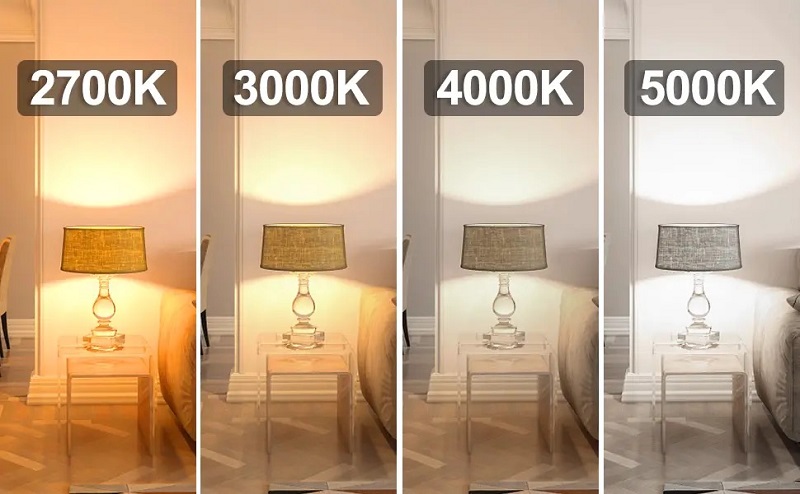
Color temperature, measured in Kelvins (K), indicates the hue of the light emitted by an LED, ranging from warm (yellowish) to cool (bluish). It is a key parameter in the binning process as it affects the visual appearance and mood of the lighting. Consistent color temperature ensures the light output meets the desired specifications and aesthetic requirements.
8. How do I choose the right bin for my application?
Choosing the right bin for your application depends on your requirements for color consistency, brightness, and voltage. Consider the specific standards and tolerances needed for your project. For high uniformity applications, select LEDs from tight binning categories. Evaluate environmental conditions and the desired visual effect to determine the appropriate color temperature and brightness levels. Consulting with manufacturers and referencing industry standards can help you select the right bin for your needs.
Conclusion
LED binning is essential for achieving consistent light quality across various applications, from architectural lighting to displays and signage. This process ensures that LEDs exhibit uniform characteristics in terms of color, brightness, and voltage, which is crucial for delivering reliable and visually appealing lighting solutions. By understanding the binning process and its impact on performance, you can make informed choices when selecting LEDs for your projects.
The Ultimate Guide For Choosing The Right Sauna Lights
Is It Safe to Leave LED Strip Lights On 24/7? Find Out Here!
Related Article



Need an Instant Quote For Your Upcoming Projects?
Send us the details and we will get back to you within 12 hours.