
Do LED Lights Attract Silverfish? Separating Myths from Facts
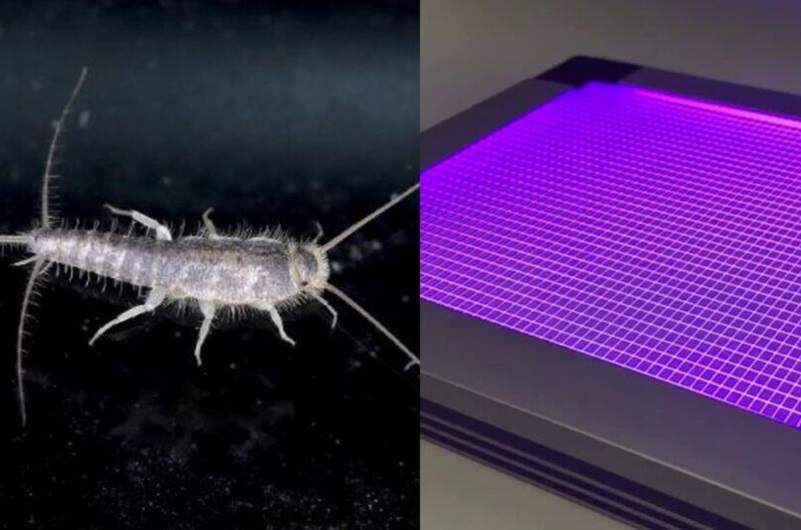
When it comes to dealing with household pests, silverfish are a unique challenge. These silvery, quick-moving insects have been around for millions of years, and they’ve adapted remarkably well to the modern home environment. One question often asked by homeowners is whether LED lights attract silverfish. With LED lighting becoming the standard for energy efficiency, understanding its impact on pest behavior is essential.
This blog explores silverfish behavior, the characteristics of LED lights, and how these two interact. By the end, you’ll understand the truth behind the myths and gain insight into keeping your home silverfish-free.
Understanding Silverfish and Their Behavior
1. What are Silverfish?
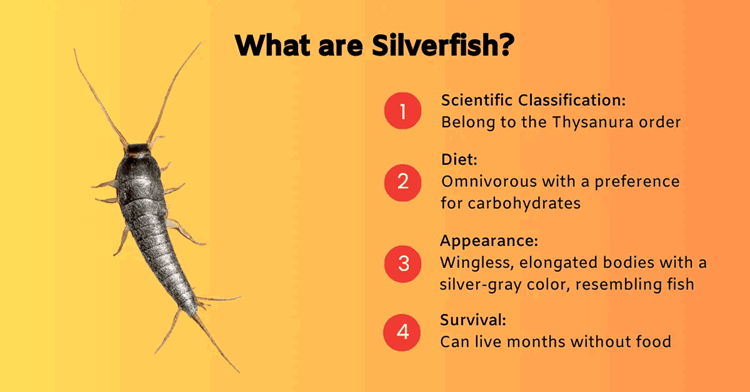
Silverfish, scientifically known as Lepisma saccharina, are small, wingless insects with a silvery appearance that gives them their name. Known for their nocturnal habits, silverfish prefer dark, moist environments and are commonly found in bathrooms, basements, and kitchens.
2. Why Silverfish Infest Homes
Silverfish are attracted to environments with high humidity and an abundance of starchy or sugary food sources. These include paper products, clothing, glue, and even dead insects. Given their natural inclination for dark and damp spaces, silverfish avoid light, making well-lit areas less appealing.
The Attraction of Insects to Light: How LED Lights Differ
1. Phototaxis Explained
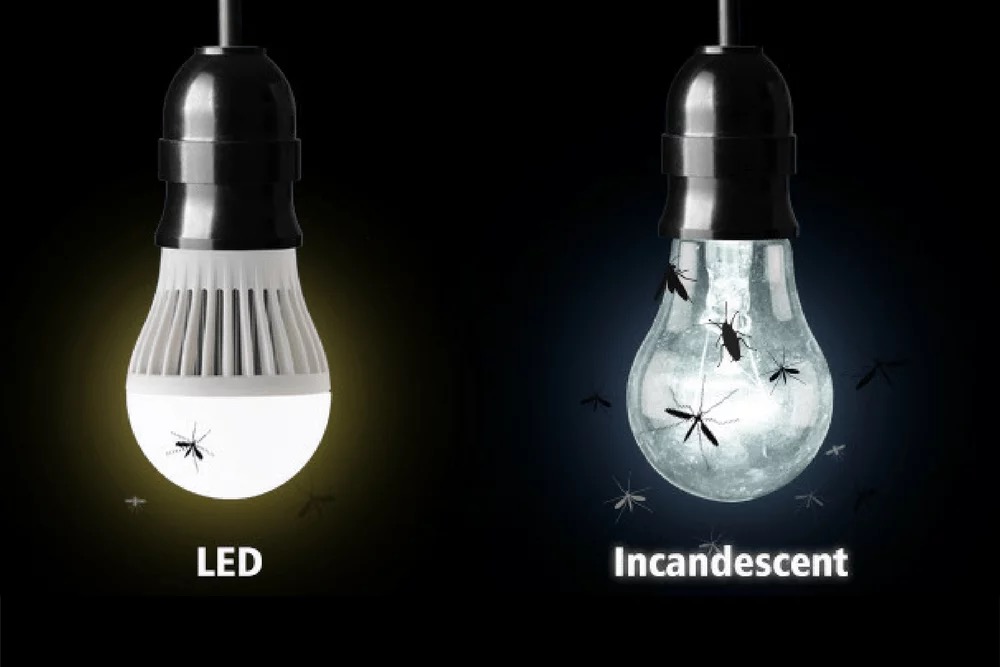
Many insects exhibit phototaxis, or a natural attraction to light, especially ultraviolet (UV) light, which certain insects use for navigation. This behavior is commonly seen in moths and flies, who are attracted to traditional incandescent and fluorescent lights.
2. LED Lights vs. Traditional Lighting
LED lights differ significantly from traditional lighting in how they emit light. LEDs produce minimal UV radiation and generate less heat, which is less attractive to insects. Their wavelengths and energy efficiency make LEDs an eco-friendly and pest-resistant choice for home lighting.
Do LED Lights Attract Silverfish?
LED lights have become a popular lighting choice for homes due to their energy efficiency, durability, and low heat emission. However, there’s a common myth that LED lights, like other types of artificial lighting, attract silverfish and similar household pests. Let’s delve into the science to understand why this belief is misplaced and what really influences silverfish behavior.
1. Dispelling the Myth
Despite the misconception, LED lights do not attract silverfish. Unlike flying insects like moths, which are drawn to light due to positive phototaxis (an attraction to light), silverfish actually exhibit the opposite behavior. Silverfish are nocturnal creatures that rely on darkness and damp, hidden spaces to survive. They display negative phototaxis, which means they actively avoid light. Brightly lit spaces disrupt their natural habitat preferences, making it less likely for them to stay in areas illuminated by LED lights or any other bright light source.
Silverfish prefer undisturbed, moist, and dark environments—such as basements, bathrooms, and closets—where they can remain hidden. So if you spot silverfish near LED lights, it’s likely not because they’re attracted to the light itself but rather because the area meets other environmental conditions they find favorable, like high humidity or a source of food (paper, glue, or fabric materials).
2. Scientific Perspective
Studies on silverfish behavior support the notion that these pests are not attracted to light. Research confirms that silverfish are naturally repelled by well-lit spaces and prefer the safety of dark corners and crevices. This behavior likely evolved as a survival strategy since light often signals the presence of predators or human activity, both of which silverfish instinctively avoid. The lack of wings and relatively poor vision also mean they rely on their sense of touch and smell rather than light cues to navigate and locate food sources.
Common Misunderstandings: Why Silverfish Might Appear Near LED Lights
1. Incidental Presence
Silverfish might occasionally be spotted near lights, but it’s typically incidental. These insects may wander from their hiding spots in search of food or moisture, only to end up in a lit area momentarily.
2. LED Lights as an Exposure Tool
Because silverfish are adept at hiding, well-lit areas often reveal their presence, making it easier to spot them. LED lights can accidentally expose silverfish, giving the false impression that they are attracted to the light itself.
Factors That Actually Attract Silverfish to Your Home
1. Moisture and Humidity
Silverfish thrive in environments with high humidity, as they need moisture to survive. Rooms like bathrooms, basements, laundry rooms, and kitchens often provide the perfect damp conditions for these pests. Leaky pipes, condensation, and poor ventilation can create humid areas where silverfish feel right at home.
2. Food Sources
Silverfish have a broad diet, favoring starchy and sugary materials. Items like paper, books, cardboard, wallpaper glue, and even some fabrics are highly appealing to silverfish due to their carbohydrate content. They also consume other organic materials, such as hair, dead insects, and even dandruff.
3. Dark, Undisturbed Areas
As nocturnal creatures, silverfish prefer dark, undisturbed spaces where they can stay hidden during the day. Closets, attics, crawl spaces, and storage rooms offer ideal hiding spots for these pests. They are attracted to cluttered areas filled with boxes, old clothes, and papers, where they can feed and reproduce without being disturbed.
How to Prevent Silverfish Infestations
Silverfish thrive in dark, moist environments with easy access to food sources, making certain areas of the home particularly attractive to them. By reducing humidity, securing food, sealing entry points, and minimizing clutter, you can make your home far less inviting to these insects. Here’s a practical guide to silverfish prevention:
| Prevention Method | Description | Tips |
| Reduce Humidity | Silverfish need humid conditions to survive. Reducing moisture levels makes your home less hospitable for them. | Use dehumidifiers in areas prone to moisture (e.g., basements, bathrooms). |
| Fix leaky pipes and faucets. | ||
| Ventilate rooms like kitchens and bathrooms well. | ||
| Limit Access to Food Sources | Silverfish are attracted to starchy and sugary materials, including paper, cardboard, and clothing. Removing these food sources helps deter them. | Store dry foods (flour, pasta, cereal) in sealed containers. |
| Use airtight bins for important documents, photos, and fabrics. | ||
| Clean up food crumbs promptly. | ||
| Sealing Entry Points | Silverfish can enter through tiny gaps and cracks around windows, doors, and foundations. Sealing these areas blocks their access and reduces infestation risks. | Caulk cracks around windows, doors, and baseboards. |
| Use weather stripping to seal gaps under doors. | ||
| Inspect attic vents and pipes for hidden entry points. | ||
| Minimize Clutter in Dark Areas | Silverfish hide in dark, cluttered spaces. Keeping storage areas organized and clean reduces their hiding spots and nesting opportunities. | Clear out attics, basements, and closets regularly. |
| Avoid storing items directly on the floor. | ||
| Store items in hard plastic containers instead of cardboard. |
Using LED Lights as Part of Silverfish Prevention
1. Why LED Lights Might Indirectly Help
While LED lights don’t repel silverfish directly, they can be part of a broader strategy to make your home less inviting to these nocturnal pests. Silverfish naturally avoid well-lit areas, as they prefer dark, hidden spaces where they feel safe from predators. By keeping areas well-lit, especially those prone to high humidity or clutter, you can discourage silverfish from settling in. Additionally, LED lights are more energy-efficient and produce less heat compared to traditional bulbs, so they won’t add extra warmth to areas like basements and attics, where humidity and warmth often attract silverfish.
2. Strategic Placement of LED Lights
To maximize their effectiveness in preventing silverfish infestations, consider placing LED lights strategically in areas where these pests are most likely to hide. Storage rooms, basements, crawl spaces, and other undisturbed, dark corners are common nesting spots for silverfish. By installing LED lights in these areas, you can disrupt their preferred environment, making it less appealing for them to settle. Motion-sensor LED lights are also an option for rarely used spaces; they turn on only when needed, exposing any hidden silverfish without consuming unnecessary energy. This simple change in lighting can make a significant difference in deterring silverfish from making your home theirs.
Additional Natural and Chemical Methods to Repel Silverfish
1. Natural Repellents
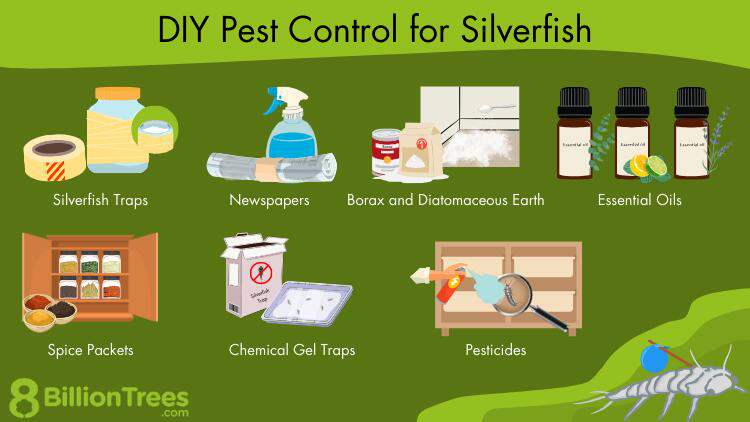
Natural solutions like diatomaceous earth can effectively deter silverfish without using harsh chemicals. This powder, safe for humans but harmful to silverfish, damages their exoskeleton, causing dehydration. Essential oils such as lavender, cedarwood, or tea tree can also work as natural repellents; a few drops mixed with water can be sprayed in areas where silverfish may hide, like closets and under sinks.
2. Chemical Treatments
For more persistent infestations, indoor-safe insecticides with ingredients like boric acid or pyrethrin can be effective. Silverfish traps, containing bait and adhesive, also help capture these pests. Always follow the product's safety instructions, particularly in homes with pets or children.
3. When to Call a Professional
If silverfish are widespread or DIY methods don’t seem to help, a pest control professional can assess the situation and offer more potent solutions. Professionals not only handle the immediate infestation but can also advise on long-term prevention to keep silverfish from returning.
Conclusion
LED lights do not attract silverfish; in fact, they may even deter these light-averse insects. Silverfish prefer dark, humid environments and feed on starchy materials, making lighting irrelevant to their attraction.
By understanding what truly attracts silverfish—such as moisture and food sources—and implementing preventive measures, you can reduce the likelihood of infestation. With a combination of LED lighting, humidity control, and proper storage practices, homeowners can maintain a silverfish-free environment.
Top 10 LED Street Light Manufacturers in China
Top 15 LED Panel Light Manufacturers in China
Related Article



Need an Instant Quote For Your Upcoming Projects?
Send us the details and we will get back to you within 12 hours.