
Ultimate Guide to LED Light Sheet for Beginners
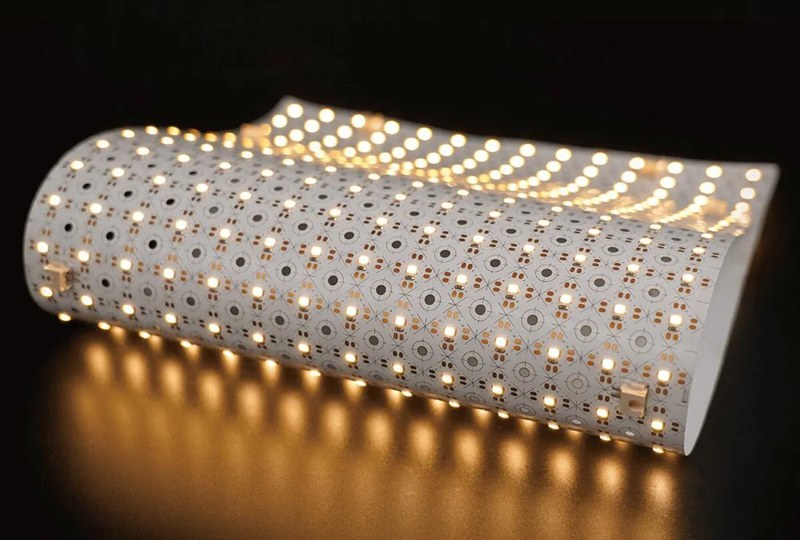
If you're just getting started with LED lighting, particularly LED sheets, it might sound a bit complicated. But don’t worry! This ultimate guide is here to simplify things for you. We’ll walk you through everything you need to know about LED sheets — from what they are, how they work, their benefits, and where you can use them, to how easy it is to install them. Whether you're looking to upgrade your home lighting or enhance your commercial space, LED sheets are a great way to get consistent, efficient, and high-quality light.
What Are LED Sheets?
Key Features and Benefits of LED Sheets
1. Flexible and Customizable
LED sheets are ultra-thin and flexible, allowing you to cut, bend, and shape them to fit any surface, from flat areas to curved ones. This flexibility opens up endless possibilities for creative lighting projects.
2. Long Lifespan
LED sheets boast an impressive lifespan of 25,000 to 50,000 hours, significantly reducing the need for frequent replacements. This means less maintenance and a more reliable lighting option for long-term use.
3. Even Light Distribution
LED sheets are designed to emit light evenly across the surface, minimizing hotspots and shadows. This ensures a smooth and continuous lighting effect, making them ideal for applications like backlighting and decorative illumination.
4. Easy to Install
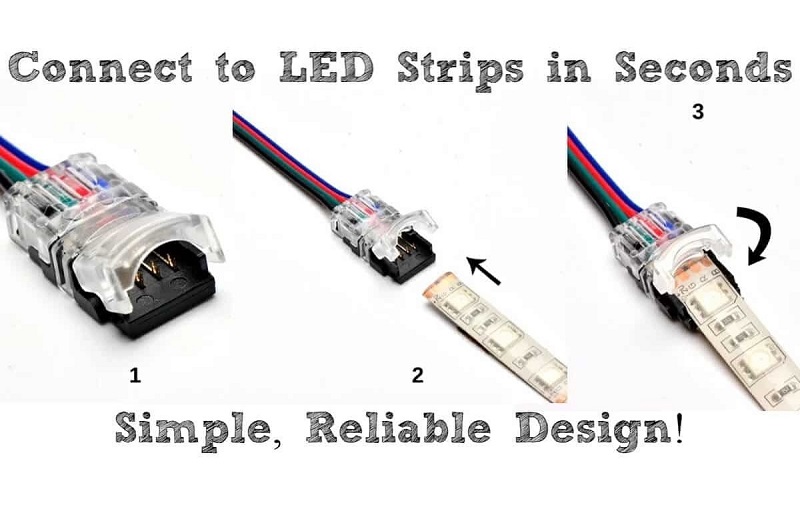
Most LED sheets come with adhesive backing, making them incredibly easy to install without any tools. For more permanent setups, you can secure them with screws for a reliable attachment. Additionally, the plug-and-play XH connectors allow for quick and seamless connectivity, ensuring a hassle-free installation process.
5. Low Heat Output
LED sheets generate less heat compared to traditional lighting, making them safe for use in sensitive environments like display cases or enclosed signage. This helps prevent overheating and extends the life of your installations.
Types of LED Sheets
LED sheets come in several types, each suited for different lighting applications. Here’s a closer look at the various types:
1. Single White LED Sheets

Single white LED sheets produce one consistent color of light, available in various temperatures such as warm white, neutral white, and cool white. These are commonly used for ambient lighting, backlighting, or wherever uniform, steady illumination is needed. Simple and efficient, they’re perfect for areas that require basic lighting without color variation.
2. Tunable White LED Sheets

Tunable white LED sheets allow you to adjust the color temperature from warm to cool, offering flexibility for different needs. Whether creating a relaxing atmosphere with warm tones or a bright, work-friendly light with cool tones, these sheets are ideal for offices, homes, and restaurants.
3. RGB LED Sheets

RGB LED sheets combine red, green, and blue LEDs to create a wide range of colors. These sheets are perfect for dynamic lighting effects in entertainment venues, retail displays, or any space where you want vibrant, changing colors to set the mood.
4. RGBW LED Sheets

RGBW LED sheets include an additional white LED along with the RGB LEDs. This allows for rich, full-spectrum color effects as well as pure white light, making them suitable for both decorative and functional lighting in spaces like bars, lounges, and event venues.
5. RGB CCT (Color-Changing Temperature) LED Sheets

RGB CCT LED sheets combine RGB color-changing LEDs with tunable white light, offering ultimate flexibility. They allow you to adjust both color and temperature, making them perfect for creative environments like art installations, theaters, and dynamic retail displays.
6. Pixel LED Sheets

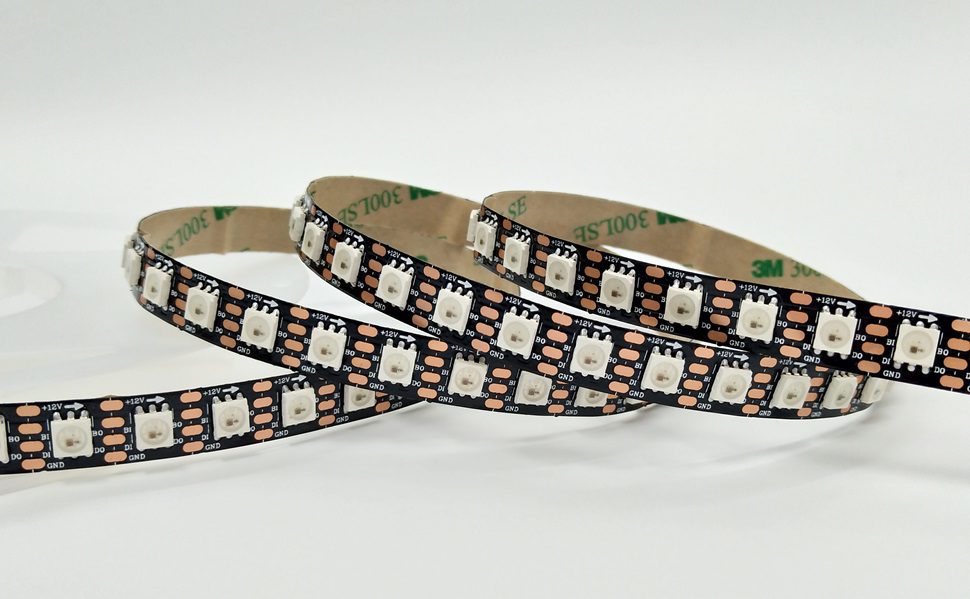
Pixel LED sheets feature individually controllable pixels, enabling complex effects like animations and light synchronization with music. These sheets are perfect for large-scale displays, stage lighting, or interactive lighting designs.
Applications of LED Sheets
LED sheets are incredibly versatile and can be used for many different applications. Here are some of the most popular uses, with a little twist to make the content more unique:
1. Signage & Display Backlighting
LED sheets are often used to illuminate signs, billboards, and displays. Their flexibility allows them to fit in tight spaces and irregular shapes, providing even backlighting that makes the graphics stand out. Whether it’s for a store display or event signage, LED sheets give a polished, professional look.
2. Stone Countertop Backlighting
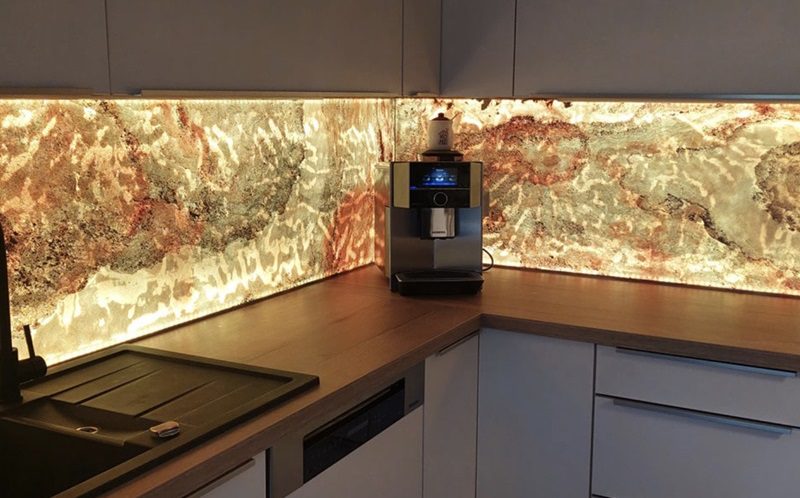
A favorite in high-end kitchens and bathrooms, LED sheets can be used to backlight countertops made of materials like stone, glass, or acrylic. This creates a beautiful, soft glow that highlights the texture of the surface and adds an elegant touch to the space.
3. Architectural Lighting
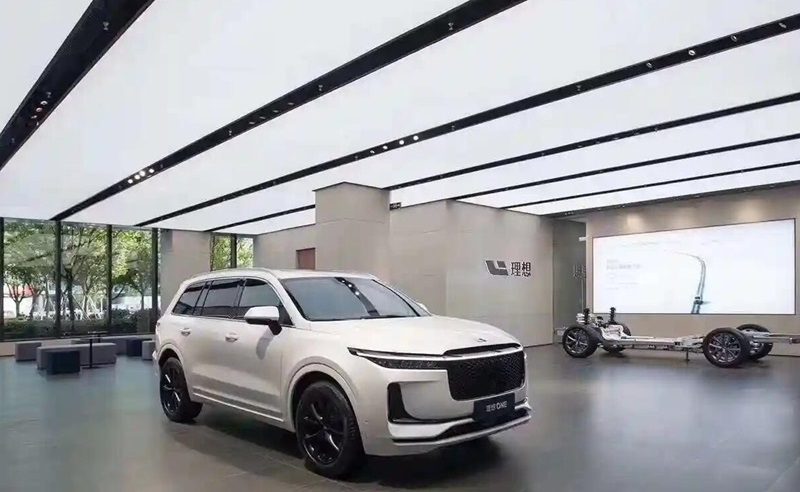
LED sheets are perfect for enhancing architectural features in both residential and commercial spaces. Use them to light up alcoves, accent walls, or even around windows. Their flexibility allows them to fit into corners and curves, creating dynamic lighting effects.
Retail& Commercial Spaces: In stores or restaurants, LED sheets can be used to highlight shelves, displays, or signage. Their uniform light distribution helps draw attention to specific areas, like jewelry displays or product showcases, giving your space a modern, sleek vibe.
4. Art Installations

LED sheets are also popular in creative projects. Artists and designers use them to light sculptures, installations, and artwork. Their ability to be shaped and cut into any design makes them a great tool for unique lighting effects.
LED Sheets vs. Traditional Lighting
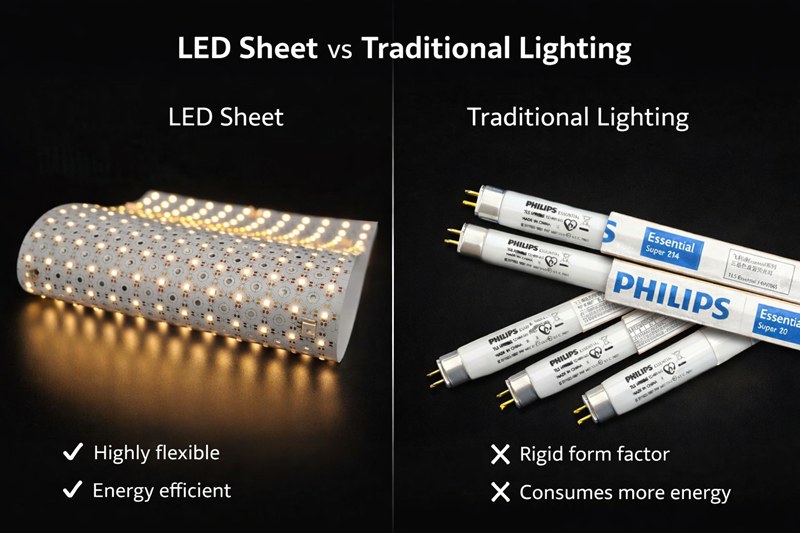
LED sheets offer several advantages over traditional lighting systems such as incandescent and fluorescent lights. Below is a comparison table that outlines the key differences:
| Feature | LED Sheets | Traditional Lighting |
| Design | Thin, flexible, and flat panels | Bulky fixtures with complex setups |
| Energy Efficiency | Up to 95% energy-to-light conversion | Much lower efficiency (5-10% conversion) |
| Lifespan | 25,000 to 50,000 hours | 1,000 to 15,000 hours |
| Light Distribution | Uniform, even lighting | Can have uneven light distribution (e.g., flickering or dark spots) |
| Installation | Easy installation (peel-and-stick or screw mount) | Complicated setups with wires and bulky fixtures |
| Maintenance | Low maintenance and fewer replacements | High maintenance, frequent bulb replacements |
| Aesthetic | Modern, sleek design | Bulky, less flexible design |
LED Sheets vs. SMD/COB LED Strips
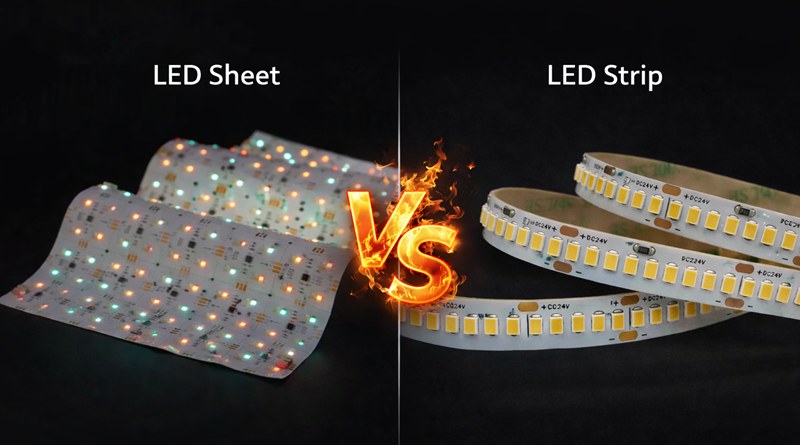
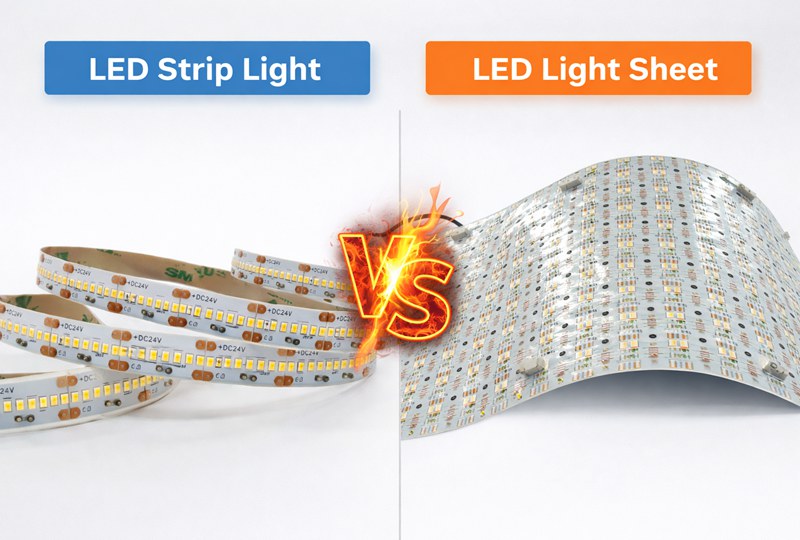
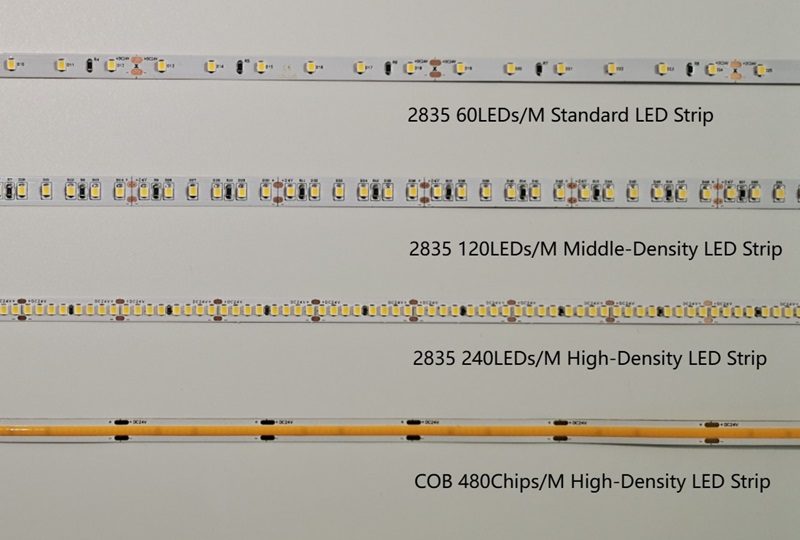
When comparing LED sheets with SMD (Surface-Mounted Diode) and COB (Chip-on-Board) LED strips, it's important to consider factors such as light consistency, flexibility, and installation. Here’s a comparison table:
| Feature | LED Strip Lights | LED Light Sheets |
| Primary Purpose | Accent and decorative lighting | Task and uniform lighting |
| Application Scenarios | Under-cabinet kitchen lighting, ceiling cove lighting, TV and monitor backlighting, staircase and hallway lighting, RGB effects for gaming and entertainment setups | Backlit signage and lightboxes, retail displays and exhibition panels, photography and video lighting panels, uniform shelf or display case lighting, large architectural feature walls |
| Lighting Effect | High brightness, strong directionality, ideal for highlighting and decoration | Even, shadow-free illumination, ideal for large surface areas requiring uniform lighting |
| Flexibility | Very high, can be used in curved, angled, or tight spaces | Lower, typically used for large, flat surfaces |
How to Select a Suitable LED Light Sheet for Your Project?
Choosing the right LED light sheet for your project depends on several factors. Here’s a guide to help you make an informed decision:
1. Define the Purpose and Application
Start by considering the purpose of your lighting. Are you using LED sheets for backlighting, signage, accent lighting, or creating an artistic installation? The application will influence the type of LED sheet you choose. For example, if you need dynamic color effects, RGB or RGBW LED sheets are ideal. If you’re looking for uniform white lighting, a single white or tunable white LED sheet might be more suitable.
2. Consier Size and Flexibility
Think about the size and shape of the area you want to illuminate. If you’re working with irregular or curved surfaces, opt for flexible LED sheets that can easily bend to fit your design. If your project involves a large, flat surface, you can choose long, modular sheets that can be cut to size.
3. Check Color Temperature and Color Options
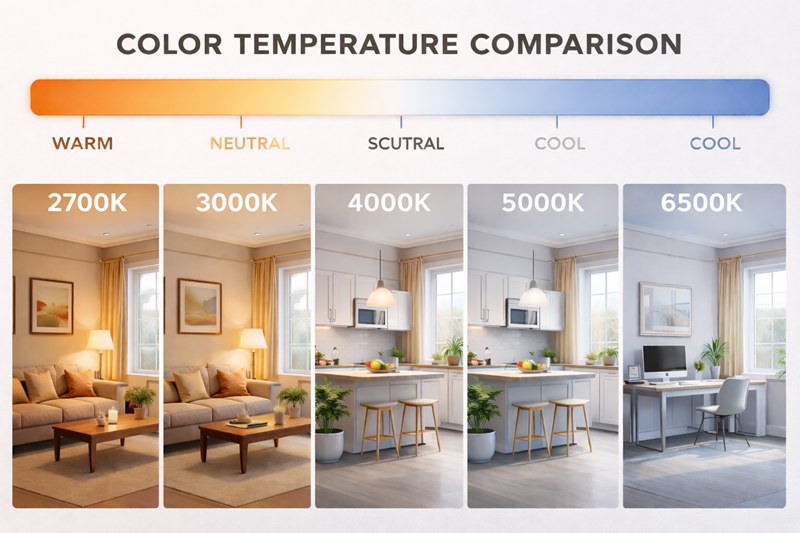
Choose the right color temperature for your project. Warm white is ideal for creating a cozy, inviting atmosphere, while cool white is better for workspaces or areas that require bright, clear light. For more creative designs, RGB or RGBW LED sheets offer vibrant colors that can change to suit different moods or themes.
4. Determine Power Requirements
Make sure to check the power requirements of your LED sheets. Calculate the total wattage based on the number of sheets you plan to use. You’ll need a compatible power supply that matches the voltage and can handle the load. For larger installations, consider using multiple power supplies to ensure even brightness and avoid overloading.
5. Consider the Environment
Think about where the LED sheets will be installed. If your project is for an outdoor space or a high-humidity area, choose LED sheets with a higher IP rating (like IP65 or above) to ensure they are waterproof and dustproof. For indoor use, an IP20 rating is usually sufficient.
6. Lifespan and Warranty
Check the expected lifespan of the LED sheets and whether they come with a warranty. High-quality LED sheets typically last anywhere from 25,000 to 50,000 hours. A warranty will offer peace of mind in case there are any issues with the product.
By evaluating these factors—application, size, color options, power needs, environment, and durability—you can select the right LED light sheet to meet the specific needs of your project and ensure long-lasting, effective lighting solutions.
How to Install LED Sheets
Installing LED sheets is a breeze, even for beginners. Here’s how to do it:
1. Measure the Space:
Start by measuring the area you want to illuminate. This will help you figure out how many sheets you need and what size they should be.
2. Cut the Sheets:
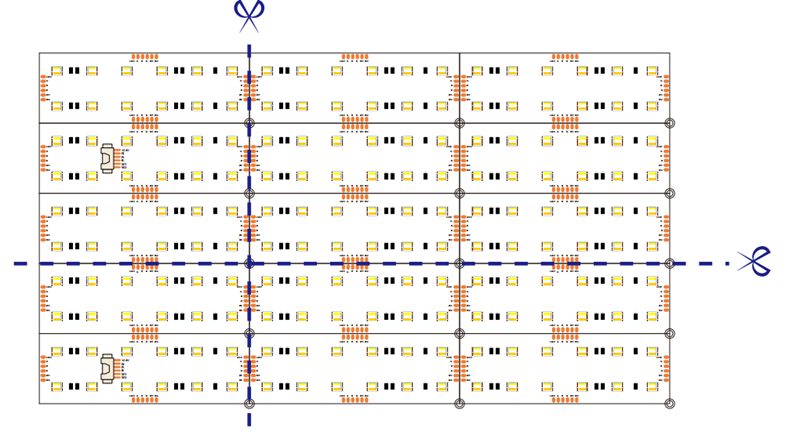
If needed, you can cut the LED sheets along the marked lines to fit the space. This is easy to do with scissors, and most sheets come with cutting lines to guide you.
3. Stick the Sheets:
Most LED sheets have adhesive backing. Simply peel off the protective film and stick the sheet onto a clean, dry surface. If you want a more permanent setup, you can also screw them in place.
4. Connect the Power:
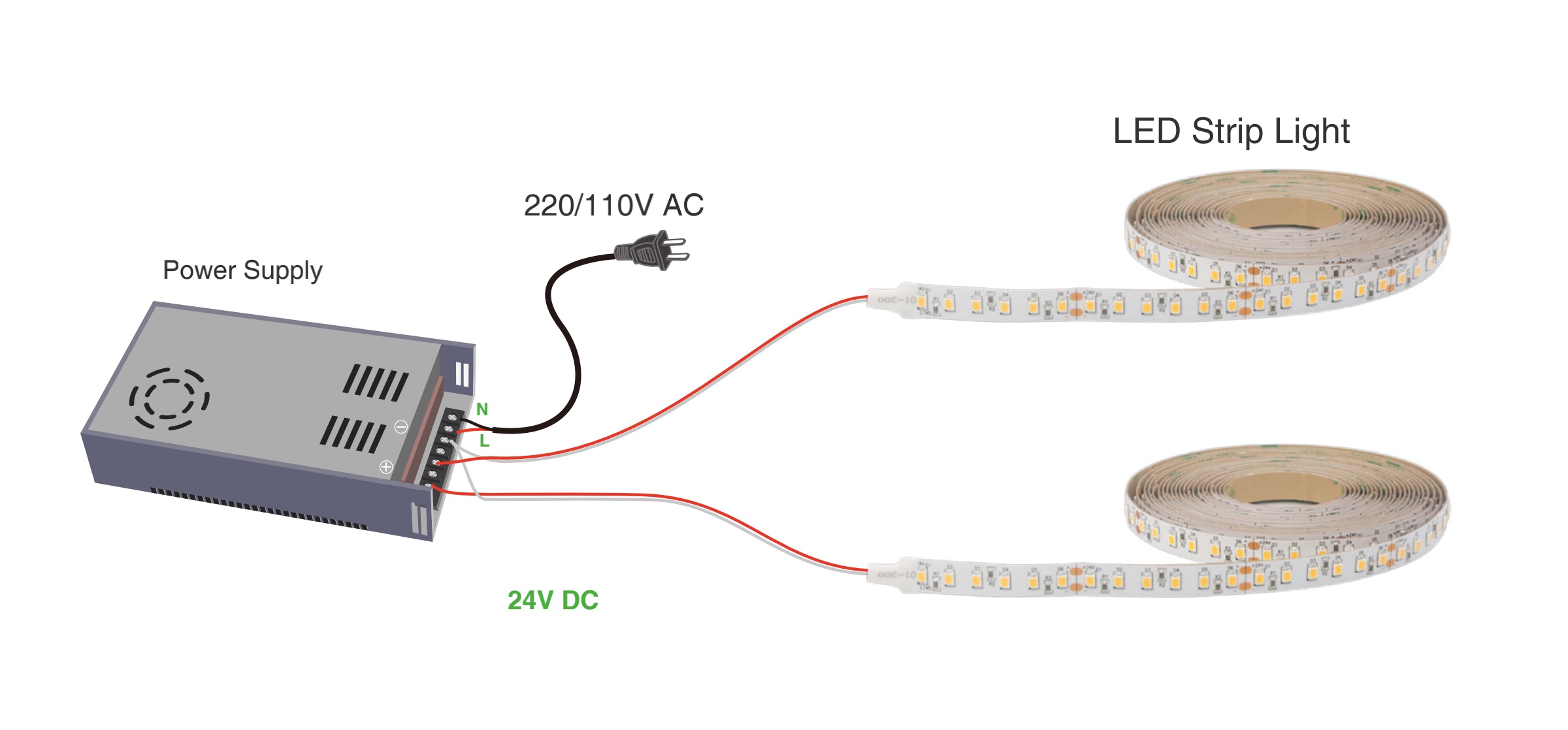
Make sure the power supply you use matches the voltage requirements of your LED sheets. After that, connect everything up and test the lights.
5. Enjoy Your New Lighting:
Once everything is connected, turn on the lights and enjoy the even, beautiful glow from your LED sheets!
Troubleshooting Common Issues with LED Sheets
Like any lighting solution, LED sheets may encounter issues during installation or use. However, these problems are often simple to fix. Below are some common issues you might face when working with LED sheets, along with possible solutions:
| Problem | Possible Cause | Solution |
| Flickering | Incompatible power supply, faulty connections, or dimmer issues | Check the power supply for compatibility, ensure proper connections, or test the dimmer compatibility with the LED sheet. |
| Uneven Lighting | Improper installation, poor diffuser material, or excessive bending | Ensure the sheet is securely mounted, use a quality diffuser, and avoid sharp bends. |
| No Power | Damaged LED sheet or loose connections | Inspect the wiring and connections. Test the voltage with a multimeter and replace damaged sheets or components. |
| Overheating | Insufficient ventilation or excessive current draw | Provide adequate airflow, ensure proper power supply, and avoid exceeding the recommended wattage. |
| Wrong Color Display (for RGB/RGBW) | Incorrect wiring or controller settings | Double-check the wiring and ensure the controller is set to the correct mode and color settings. |
| Dimming Issues | Incompatible dimmer or incorrect wiring | Verify that the dimmer is compatible with the LED sheets and check for correct wiring. |
| Poor Adhesion | Dirty or uneven surface during installation | Clean the installation surface thoroughly before applying the adhesive backing or use screws for added security. |
FAQs about LED Sheets
1. What are LED sheets made of?
LED sheets are thin, flexible panels that contain multiple Surface-Mounted Device (SMD) LEDs. These LEDs are mounted onto a flexible circuit board, allowing the sheet to be cut, bent, and shaped to fit various applications.
2. Can I cut LED sheets to size?
Yes, most LED sheets are designed with cutting lines, allowing you to trim them to the required size and shape for your project. Ensure you follow the marked cutting lines to avoid damaging the circuitry.
3. Do LED sheets need a controller?
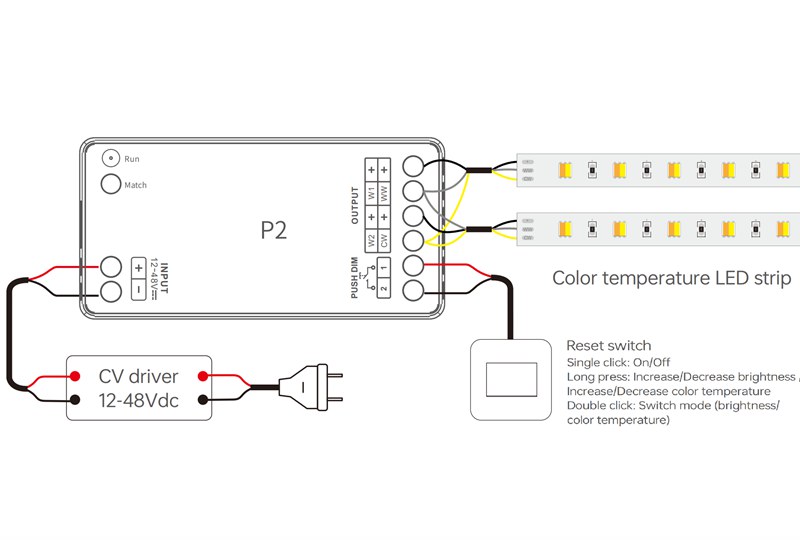
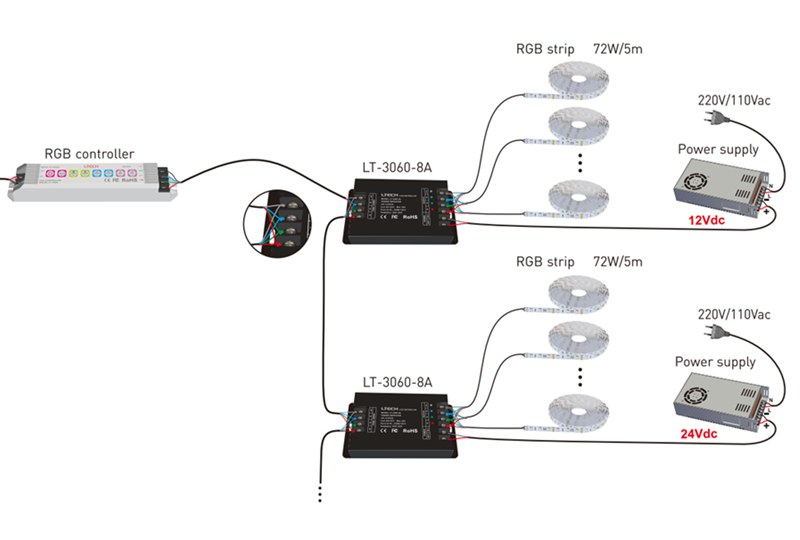
It depends on the type of LED sheet you’re using. For basic single-color or white LED sheets, you may only need a power supply. However, for RGB or RGBW LED sheets, you will need a controller to adjust colors and lighting effects.
4. Are LED sheets safe to use in wet areas?
LED sheets are available in different IP ratings. If you're using them in wet areas like bathrooms or outdoor environments, look for LED sheets with an IP65 or higher rating, which ensures they are waterproof and resistant to dust.
5. How do I power LED sheets?
LED sheets typically run on low-voltage DC power, usually 12V or 24V. Be sure to choose a power supply that matches the voltage requirement of the LED sheet and has sufficient wattage to handle the total load.
Conclusion
LED sheets offer a versatile and energy-efficient lighting solution, perfect for a wide range of applications such as backlighting, signage, and decorative lighting. Their thin, flexible design allows for easy customization, providing uniform light distribution without hotspots. With options like tunable white, RGB, and pixel-controlled sheets, they cater to both functional and creative lighting needs.
These sheets are not only cost-effective due to their long lifespan and energy efficiency, but they also simplify installation with adhesive backing or screw mounts. Whether for commercial projects or home installations, LED sheets combine flexibility, high-quality performance, and ease of use, making them an excellent choice for modern lighting solutions.
Backlit Marble Using LED Light Sheets: Brightness, Thickness, and Cavity Depth Explained
COB LED Strip Twisting Test Report: 2000 Cycles with No Dead LEDs or Flickering
Related Article
Need an Instant Quote For Your Upcoming Projects?
Send us the details and we will get back to you within 12 hours.