
The Ultimate Guide to Home Theater Lighting
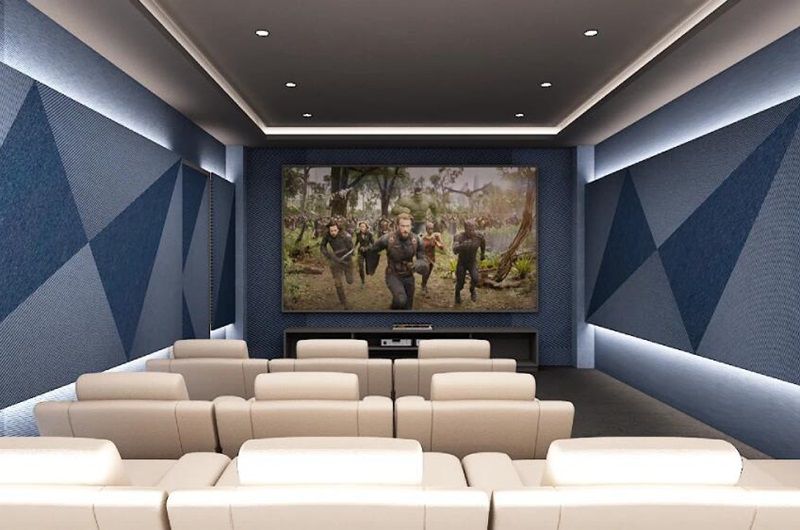
Designing the ideal home theater is about more than just a large screen and great sound; it’s about creating an atmosphere that immerses you in the experience. Lighting plays a key role in achieving this, enhancing both comfort and visual quality.
In this guide, we’ll explore how to choose the right types of lighting, position them effectively, and even integrate smart technology to optimize your space.
Benefits of home theatre lighting
Home theater lighting offers numerous benefits that enhance both the functionality and experience of your theater space. Here are some key advantages:
Enhanced Viewing Comfort:
Proper lighting reduces eye strain by balancing screen brightness with ambient light, making extended viewing sessions more comfortable.
Immersive Ambiance:
Thoughtfully placed lights create a cinematic atmosphere, elevating the overall experience. Dimmable and colored lights allow you to customize the ambiance based on the movie genre or occasion.
Increased Safety:
Lighting along pathways, steps, and seating areas ensures safe movement, even in a darkened room. LED strips along the floor or under seats add visibility without disrupting the movie.
Reduced Glare and Reflection:
Using indirect or recessed lighting minimizes screen glare, preserving the quality of visuals and enhancing immersion.

Easy Control and Customization:
With smart lighting, you can control all lights from a single device, adjusting brightness, colors, and scenes to set the perfect environment with minimal effort.
Aesthetic Appeal:
Lighting can highlight design elements like wall decor, columns, or a starry ceiling, adding a stylish touch that personalizes your home theater.
Home theater lighting enhances both the visual quality and functional convenience, transforming your space into a safe, comfortable, and immersive entertainment haven.
What should we consider before choosing Lighting for a Home Theater?
When selecting lighting for a home theater, keep these considerations in mind:
Room Size and Layout: Tailor lighting to the room's dimensions and layout to achieve balanced brightness without overpowering the space.
Choose a Theme: Decide on a specific theme or style, such as modern minimalism or vintage cinema, to create a cohesive look. This helps guide choices for fixtures, colors, and lighting placements.
Lighting Zones: Define lighting zones for the screen, seating, and pathways to prevent glare and ensure comfortable navigation.
Light Control: Opt for dimmable and smart lighting options to easily adjust lighting for different needs, like movie watching or cleaning.
Color Temperature: Select warmer tones (2700K-3000K) to create a cozy atmosphere without casting harsh light on the screen.
Budget: Determine a budget and prioritize essential fixtures, balancing style and functionality.
Choosing the Right Lighting for a Home Theater
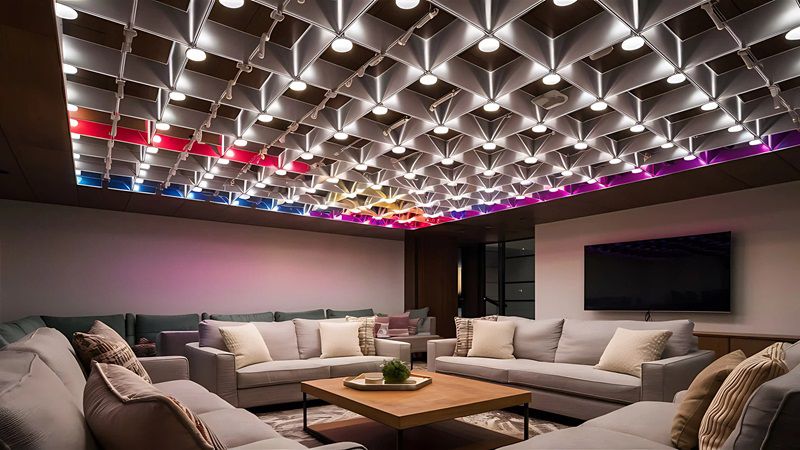
The best home theater lighting combines different lighting types to create a versatile and immersive experience. Here are the main types you should consider:
Ambient Lighting: Creating the Ideal Backdrop
Ambient lighting provides the general illumination of the room, creating a soft and balanced glow that’s gentle on the eyes. This is essential for a cozy, theater-like atmosphere and can be achieved using options like:
1. LED Strips: LED strips are highly customizable and energy-efficient, making them perfect for home theater spaces. You can line floors, baseboards, recessed ceiling edges, or the back of furniture to achieve a warm, indirect light. LED strips offer a range of colors and can even sync with audio to add dynamic effects.
2. Smart LED Bulbs: With adjustable brightness and color settings, smart LED bulbs let you control the ambiance based on your viewing needs. Switch between softer tones for movies and brighter options for activities like cleaning or setting up.
Task Lighting for Convenience and Functionality
Task lighting is practical lighting that doesn’t interfere with the cinematic feel. Some options include:
1. Recessed Ceiling Lights: Dimmable recessed lights offer functional brightness without intruding on the movie-viewing experience. These are ideal for setup, cleanup, and navigating the room, and can be switched off or dimmed to maintain a cinematic atmosphere during the movie.
2. Reading Lamps: For added convenience, a reading lamp with a directed or opaque shade can be placed near seats, enabling viewers to read or multitask without spreading light across the room.
3. Step Lights: Particularly valuable in theater rooms with steps or risers, step lights provide added safety by illuminating pathways. Choose dimmable options to ensure they’re not distracting when the movie is playing.

Accent Lighting: Adding Depth and Style
Accent lighting enhances the room’s aesthetics by drawing attention to specific features:
1. Wall Sconces: Wall sconces are elegant fixtures that can cast light both upward and downward, emphasizing architectural features without spilling onto the screen. They contribute to the room’s overall ambiance, enhancing the theater-like feel.
2. Fiber Optic Ceilings: Installing fiber optic lights on the ceiling to simulate a starry night sky creates a magical, immersive atmosphere that adds a distinctive element to the space. This feature is especially popular in high-end home theaters.
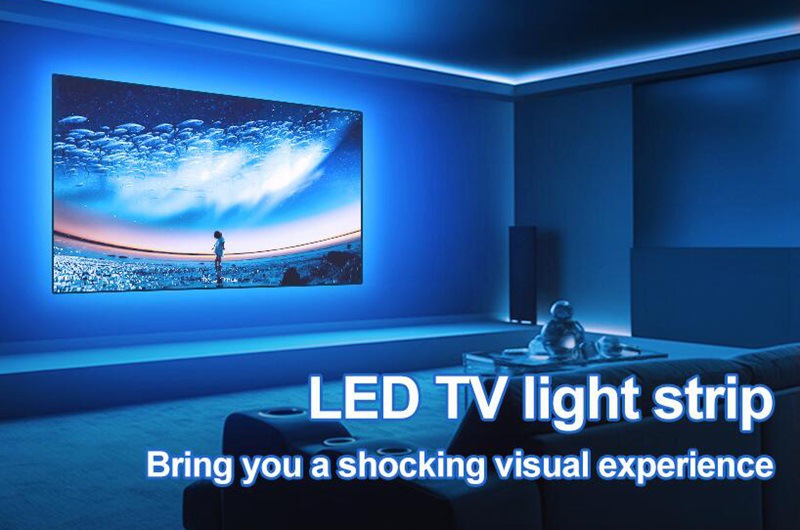
3. Bias Lighting: Mounted behind the screen, bias lighting creates an ambient glow that reduces eye strain, making it easier to watch movies in a dimly lit room. It also enhances the perceived contrast of the image, improving overall picture quality and viewing comfort.
Smart Lighting Solutions for Ultimate Control
Smart lighting adds convenience and flexibility. With these options, you can control every aspect of your home theater lighting from a single device:
1. Smart LED Bulbs: These bulbs offer the ability to change brightness, color, and even light temperature from a smartphone app or remote control. You can set different levels for various viewing experiences, making it simple to adjust the ambiance with a tap.
2. Voice-Activated Controls: By integrating voice assistants like Amazon Alexa, Google Assistant, or Apple HomeKit, you can control the lights hands-free. For example, simply say, “Dim the lights to 20%,” or, “Set the lights to movie mode,” for a fully immersive experience.
3. Preset Scenes: Many smart lighting systems let you program different lighting scenes, such as “Movie Mode,” “Game Mode,” or “Intermission,” adjusting brightness, color, and position. You can activate these with one command or schedule them for specific times.
Why led strip light is more and more popular in home theater?

LED strip lights are gaining popularity in home theaters due to their versatility, energy efficiency, and ambiance-enhancing features. Here’s why they’re becoming a top choice:
Customizable Ambiance: LED strip lights can be easily installed along walls, ceilings, or baseboards to provide indirect lighting, creating a soft, even glow. They’re available in a range of colors and brightness levels, allowing users to customize the atmosphere to suit any movie or activity.
Energy Efficiency: LEDs use a fraction of the energy compared to traditional bulbs, making them cost-effective for long movie nights. This energy efficiency is particularly beneficial in rooms where lights may be on for extended periods.
Enhanced Safety and Functionality: Placing LED strips along steps, baseboards, or under seats adds visibility without disrupting the viewing experience. This soft lighting helps viewers navigate the room safely during pauses or breaks. Single White led strip, RGB led strip or pixel led strip are poplar for all these application.
Smart Control Options: Many LED strip lights are compatible with smart home systems, so users can control the lights’ color, brightness, and even dynamic effects through a smartphone or voice commands. This integration adds a level of convenience and customization, perfect for home theater environments.
Aesthetic Appeal: LED strips can enhance the visual appeal of a theater room. When placed behind screens or along architectural elements, they add depth and dimension, transforming the space into an immersive, cinema-like experience.
How Much Does Home Theater Lighting Cost?
The cost of home theater lighting can vary significantly based on the type of lighting and installation complexity. Here’s a breakdown of typical price ranges for different lighting options:
- Ambient Lighting: As basic room illumination, ambient lighting typically ranges from $100 to $500.
- Accent Lighting: Used to emphasize specific areas or objects, accent lighting usually costs between $200 and $1,000.
- Wall Sconces: Mounted to provide soft lighting, wall sconces are available from $50 to $500 each.
- Fiber Optic Ceiling: For a starry-night effect, fiber optic ceilings may cost anywhere from $1,000 to $5,000.
- LED Strip Lighting: Ideal for creating a subtle glow around the screen or room edges, LED strip lighting generally ranges from $50 to $500.
Remember, these are approximate costs; actual expenses will depend on room size, lighting choices, and the complexity of installation. Consulting a professional lighting designer or installer is recommended for a tailored estimate.
Troubleshooting and Maintaining Your Home

Troubleshooting and maintaining home theater lighting can ensure a seamless viewing experience. Common issues like flickering lights often result from loose bulbs or incompatible fixtures. Start by confirming that all bulbs are securely fastened and that your dimmer is compatible with the bulbs you’re using.
Dimming inconsistencies can usually be addressed by upgrading to newer dimmer switches specifically designed for LED bulbs.
To control light pollution and enhance immersion, use blackout curtains and install fixtures that direct light away from the screen. Regularly inspecting fixtures and promptly replacing any burnt-out bulbs is essential for optimal performance.
Switching to energy-efficient options like LED bulbs can improve aesthetics and reduce energy consumption. Staying up-to-date with lighting advancements will help you maintain a high-quality home theater ambiance over time.
FAQ Section
1. What’s the best color temperature for home theater lighting?
A warm color temperature, typically around 2700K to 3000K, is ideal. It creates a cozy atmosphere that’s easy on the eyes and mimics the feel of a traditional theater.
2. How does bias lighting work in a home theater?
Bias lighting, placed behind the screen, creates an ambient glow that reduces eye strain and enhances image contrast without distracting from the picture quality.
3. Are LED strips suitable for a home theater?
Yes, LED strips are perfect for home theaters. They offer customizable brightness, are energy-efficient, and can be installed around seating or floors to add a subtle glow.
4. What is bias lighting’s effect on image quality?
Bias lighting enhances perceived contrast, making blacks look deeper and colors appear more vibrant, which improves overall image quality.
5. What types of wall sconces work best in a home theater?
Wall sconces that direct light up or down without casting glare onto the screen are ideal, as they create a balanced look without distracting from the viewing experience.
6. How important is dimmable lighting in a home theater?
Dimmable lighting is essential as it allows you to adjust light levels based on your activities, whether you’re watching a movie, pausing, or cleaning the space.
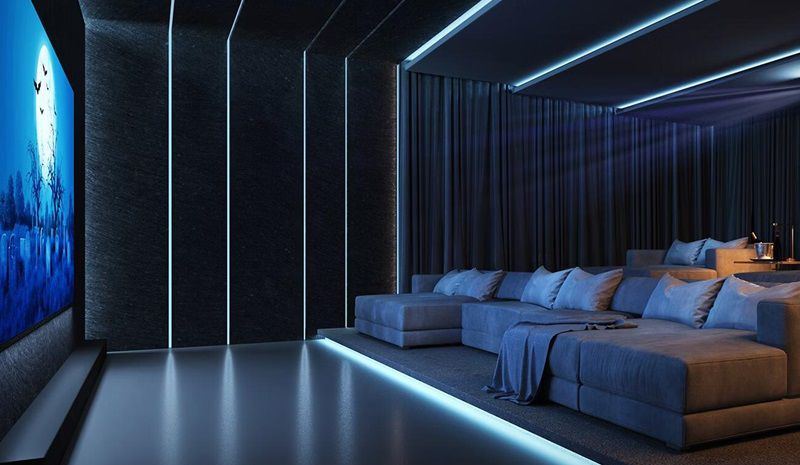
7. Can I use task lighting in a home theater?
Yes, task lighting is practical for activities like reading or navigating the room. Opaque shades can focus light without disturbing the screen.
8. What should I look for in LED strip lighting?
Look for dimmable, color-adjustable LED strips with remote control options for easy adjustments, and consider placing them along floors or under seats for subtle illumination.
9. Does the room color affect lighting?
Yes, dark-colored walls and ceilings help absorb light, reducing reflections and enhancing the contrast and brightness of the screen.
10. Should I use blackout curtains in a home theater?
Blackout curtains block natural light effectively, preventing glare and ensuring a controlled lighting environment, which is ideal for daytime viewing.
11. Can lighting help with soundproofing?
Some wall sconces and ceiling installations come with sound-dampening features. However, using acoustic panels alongside lighting options is a more effective solution for soundproofing.
Conclusion
Crafting the perfect lighting scheme is key to creating an immersive, cinematic experience in your home theater. By balancing ambient, task, and accent lighting and incorporating smart technology, you can transform any space into a comfortable and captivating viewing environment. Thoughtful choices in lighting placement, color temperature, and control systems will ensure that every movie night is memorable, and your home theater becomes a favorite space for family and friends to gather. With the right lighting setup, your home theater will provide a seamless, enjoyable experience that rivals the best cinema.
Top 15 Swimming Pool Light Manufacturers and Suppliers in China
Zigbee vs Z-Wave vs Bluetooth vs WiFi | Which is best for your smart home?
Related Article
Need an Instant Quote For Your Upcoming Projects?
Send us the details and we will get back to you within 12 hours.