
How Cove Lighting Can Elevate Your Interior Design?
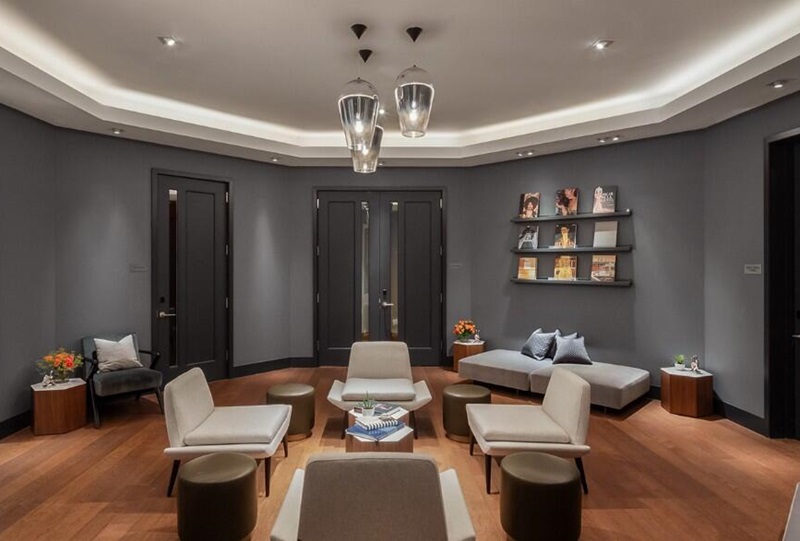
Lighting plays a crucial role in interior design, influencing both the functionality and aesthetics of a space. Cove lighting, in particular, has gained popularity for its ability to create a soft, ambient glow that enhances architectural features and adds a touch of elegance to any room.
In this blog post, we'll explore how cove lighting can transform your home, offering practical tips and inspiration for integrating this lighting technique into your design plans. Whether you're aiming to highlight a unique ceiling detail or create a cozy atmosphere, cove lighting provides a versatile solution.
What is Cove Lighting?
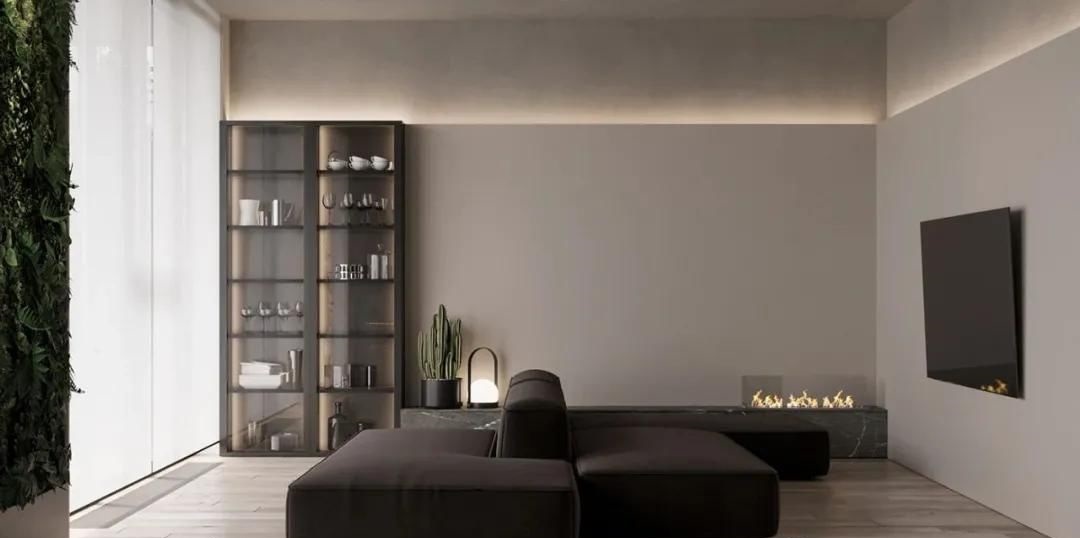
Cove lighting is a form of indirect lighting installed in a ledge, shelf, or recess high up on a wall or ceiling. This type of lighting casts a gentle glow on walls and ceilings, creating a serene and inviting ambiance.
There are several types of cove lighting:
Recessed Cove Lighting: This type is built into recesses in walls or ceilings, providing a sleek and seamless look.
Surface-Mounted Cove Lighting: Installed on the surface of walls or ceilings, this type is easier to install but still offers a sophisticated appearance.
Integrated Cove Lighting: Often used in conjunction with architectural features, integrated cove lighting is built into custom moldings or structures to highlight design elements.
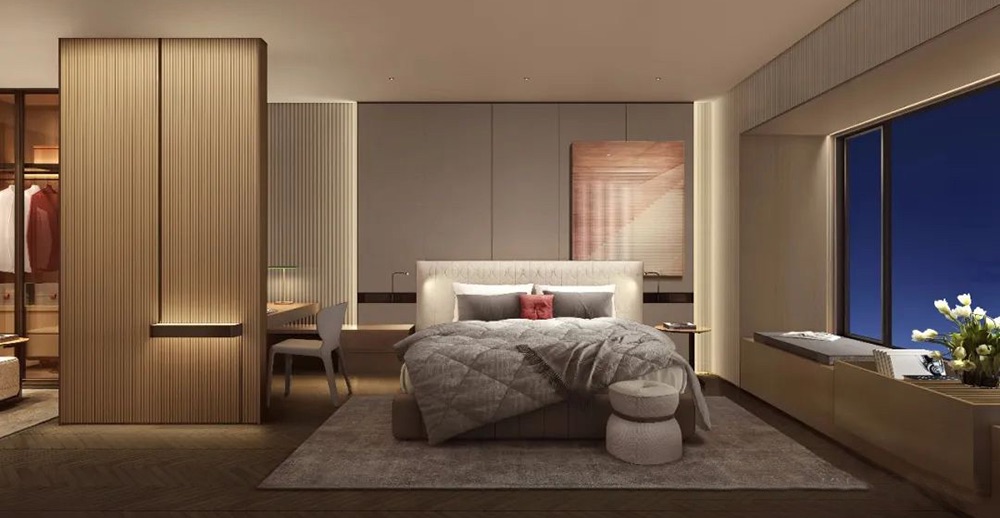
Cove lighting is commonly used in living rooms, bedrooms, kitchens, and commercial spaces like hotels and restaurants to create a welcoming and stylish atmosphere.
Benefits of Architectural LED Cove Lighting
Architectural LED cove lighting offers numerous advantages that enhance both the functionality and aesthetics of any space. Here are some key benefits:
Uniformity: Cove lighting ensures consistent illumination, reducing harsh shadows and bright spots to create a harmonious visual experience.
Aesthetic Appeal: Available in multiple shapes, sizes, and colors, cove lights can be tailored to suit any room’s decor. They also act as striking focal points, enhancing the overall visual appeal.
Versatility: Suitable for a range of settings, from residential spaces and offices to retail environments, cove lighting offers great flexibility in lighting design.
Illuminate with sophistication, uncovering hidden beauty in various spaces.
Different Styles and Techniques of Cove Lighting
Cove lighting can be implemented in various styles and techniques to achieve different effects:
Ceiling Cove Lighting: Installed around the perimeter of the ceiling, this type adds a floating effect and can make the ceiling appear higher.

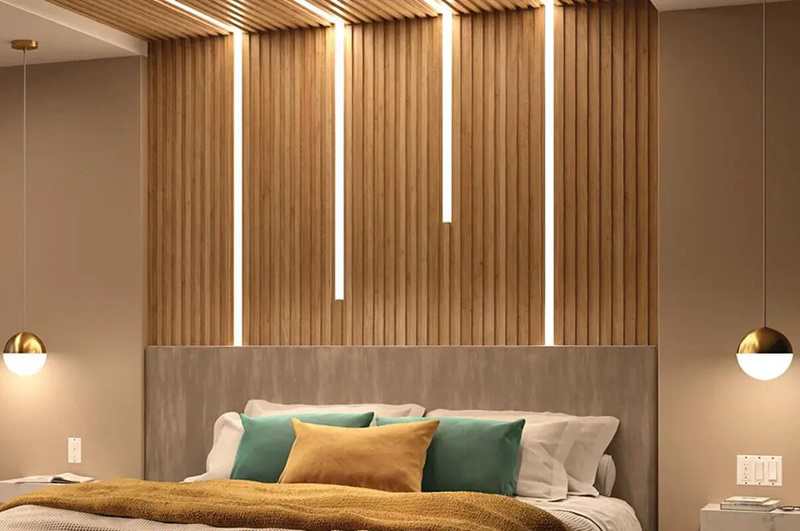
Wall Cove Lighting: Used to highlight vertical features such as columns or accent walls, wall cove lighting adds dimension and visual interest.

Floor Cove Lighting: Placed along the base of walls or furniture, floor cove lighting provides a subtle guiding light that enhances safety and ambiance.
Using Strip Lights for Cove Lighting

Strip lights are ideal for cove lighting due to their flexibility and ease of installation. Their slim design allows them to fit in tight or curved spaces. Available in various colors, they can be dimmed or controlled remotely for customizable ambiance.
These lights can be installed in recessed or surface-mounted coves to create a seamless line of light or a dynamic atmosphere with changing colors.
Strip lights are also energy-efficient and durable, generating less heat and lasting longer than traditional bulbs. This makes them a cost-effective and low-maintenance option for cove lighting.
5 Simple Steps on Installing LED Cove Lighting
1). Choose the Best LED Strip Light for Cove Lighting
Selecting the right LED strip light for cove lighting involves considering several factors to ensure you achieve the desired effect. Here are some key points to help you make the best choice:
Cove Size: Assess the size of your cove to determine the appropriate length and type of LED strip light needed.
Purpose: Decide if the lighting will serve as the main light source or if it's meant to create a specific ambiance.
Color Temperature: Choose a color temperature that complements your space and enhances the desired mood.
Installation Location: Determine where you will install the lights for optimal effect.
Light Output: Decide if you want a static white light, color-changing options, or dynamic tunable white.
Control Preferences: Consider how you want to control your lights, whether through a simple switch, dimmer, or a smart system.
Longevity: Decide if you need a temporary solution or a permanent fixture.
If you already know which LED strip light to use, proceed to the next step to select your control system.
A. How to Choose the Appropriate Brightness Levels
Principle Lighting: As the primary light source, choose strips with 400 - 1,000 lumens per foot.
Accent Lighting: For highlighting features, opt for 200 - 500 lumens per foot.
Mood Lighting: To create a soft, ambient glow, select strips with 100 - 300 lumens per foot.
B. Choosing Color Temperature (CCT)
Consideration Factors:
a. Match the CCT with other lighting in the room.
b. Decide on the desired atmosphere—warmer temperatures for relaxation, cooler for focus.
c. Align color temperature with your decor style; cooler temperatures for modern, warmer for vintage.
Choose appropriate CCT based on room function:

a. Warmer tones for bedrooms and relaxation areas.
b. Natural white for hallways and communal spaces.
c. Cool white for kitchens and storage areas.
d. Dynamic Options: Use the Architectural Dynamic Tunable White Series for adjustable color temperatures to suit any need.
C. Choosing Voltage Options
Voltage Selection: Most LED strips are available in 12V, 24V, and 48V versions.
Voltage Drop Consideration: Prevent voltage drop by choosing the appropriate voltage for your project. For cove lighting, 24V is typically ideal, offering balanced run lengths and compatibility with most dimmers and remote controls.
For more detail, you can check: 12V vs 24V LED strip, which one is better?
D. Best LED Strip Lights for Cove Lighting
Brightness, Color Temperature, and Voltage: After determining these factors, select LED strips specifically designed for cove lighting. These strips are manufactured to maintain brightness and provide optimal performance for various applications.
2). Choosing Your Control System

Select a control system that suits your needs. Options include basic on/off switches, dimmers, or smart home integration systems that allow for remote control and automation.
3). Choosing Your Power Supply
Ensure you choose a power supply that matches the voltage and total wattage of your LED strip lights. Consider adding a power supply with a built-in dimmer for more control.
4). Solderless Connectors and Wires
Use solderless connectors and wires for easy and quick installation. These connectors eliminate the need for soldering, making the setup process more straightforward and accessible.
5). Mounting and Extrusions
Mount the LED strip lights using appropriate mounting hardware and extrusions. Extrusions help to diffuse the light, protect the strips, and provide a clean, professional finish. Ensure that the strips are securely attached and the wiring is neatly concealed for a polished look.
Common Mistakes to Avoid with Cove Lighting
To achieve the best results, it's important to avoid common mistakes:
Over-lighting or Under-lighting: Striking the right balance is key. Over-lighting can create a harsh and overwhelming effect, while under-lighting can make the space appear dim and uninviting.
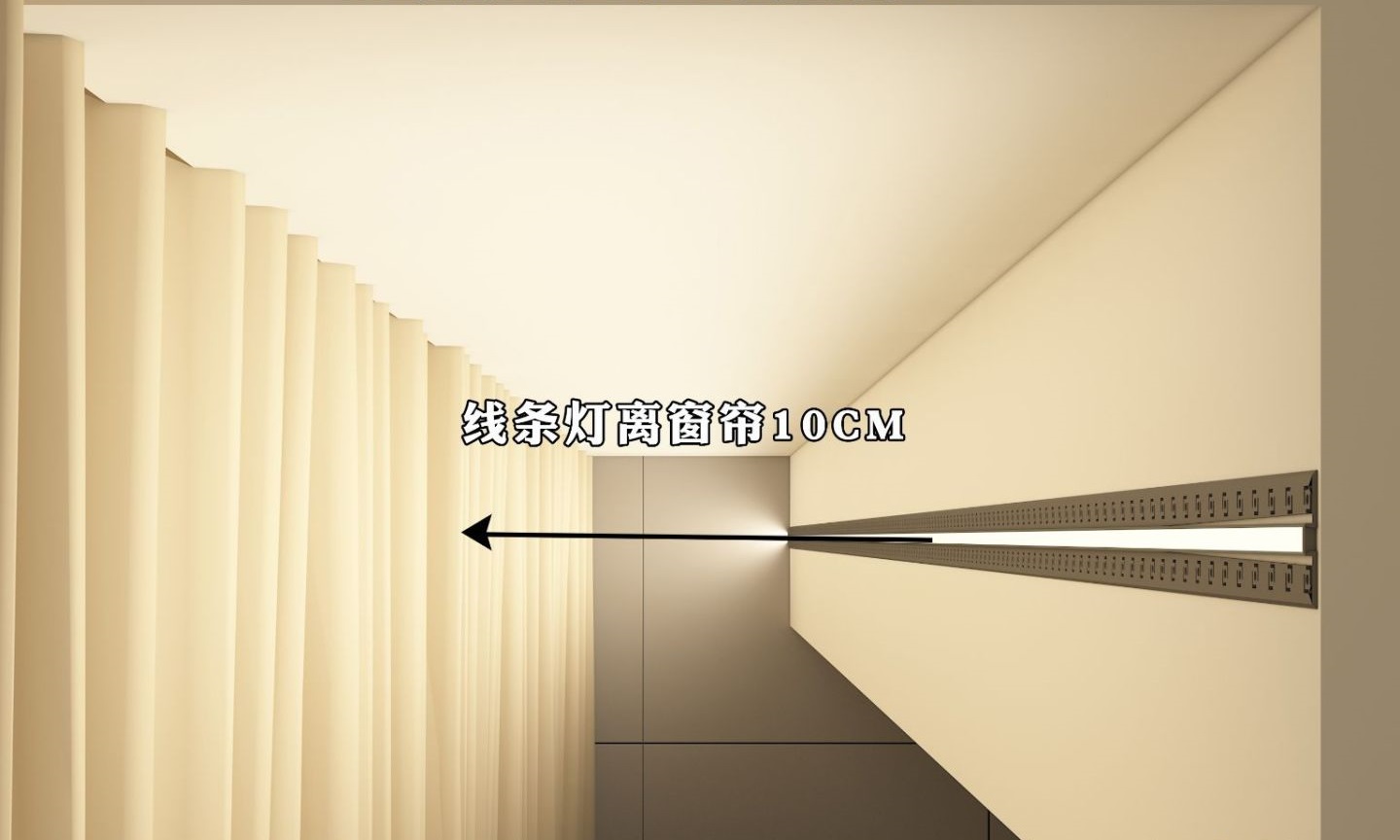
Incorrect Placement: Proper placement is crucial for even lighting. Incorrect positioning can lead to uneven illumination and unintended shadows.
Neglecting Maintenance: Regularly check and clean cove lighting fixtures to ensure they function optimally. Dust and debris can accumulate over time, affecting the quality of light.
FAQs
1. What is the best type of cove lighting for a modern home?
Modern homes often benefit from sleek, recessed cove lighting that complements minimalist design. Integrated cove lighting can also add a contemporary touch by highlighting clean lines and architectural features.

2. Can I install cove lighting myself or do I need a professional?
While DIY installation is possible, hiring a professional is recommended for safety and optimal results. Electrical work requires expertise to ensure proper wiring and avoid hazards.
3. What are the energy savings associated with LED cove lighting?
LED cove lighting consumes significantly less energy than traditional lighting options, leading to lower electricity bills. LEDs also have a longer lifespan, reducing replacement costs.
4. Can cove lighting be used in outdoor spaces?
Yes, cove lighting can enhance outdoor areas such as patios, decks, and pathways. Ensure the fixtures are rated for outdoor use to withstand weather conditions.
5. How do I maintain and clean cove lighting fixtures?
Regularly dust and clean the fixtures to prevent dirt buildup. Use a soft cloth and mild cleaning solution to avoid damaging the lights.
6. What are some creative ways to use cove lighting in small spaces?
In small spaces, use cove lighting to create the illusion of height and depth. Install it along the ceiling perimeter or under cabinets to maximize the sense of space.
Conclusion
Cove lighting can dramatically enhance the aesthetic and functionality of your home. By carefully selecting the type of cove lighting, planning the design, and executing the installation correctly, you can transform any room into a sophisticated and inviting space. Consider the benefits, avoid common mistakes, and get inspired by real-life examples to make the most of cove lighting in your interior design projects.
Is It Safe to Leave LED Strip Lights On 24/7? Find Out Here!
Can You Sleep With LED Strip Lights On?
Related Article
Need an Instant Quote For Your Upcoming Projects?
Send us the details and we will get back to you within 12 hours.