
What Is The Difference Between UVA, UVB, And UVC LED?
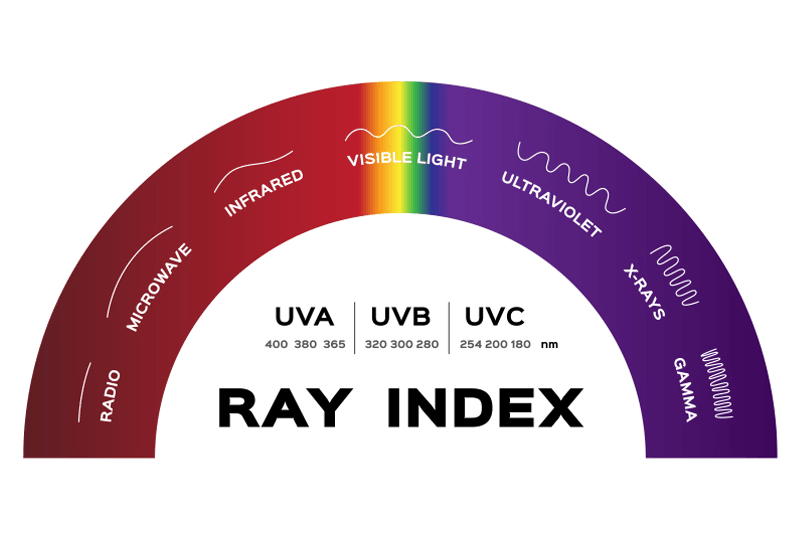
Ultraviolet (UV) light is fascinating and essential in many fields. It has unique properties that make it useful in both everyday life and specialized industries. Understanding the differences between UVA, UVB, and UVC light is important for making informed choices.
In this post, we will explain what UV light is and the specific characteristics of UVA, UVB, and UVC. We’ll compare these types of LEDs, discuss their applications, highlight safety considerations, and answer some common questions.
Definition of UV Light
Ultraviolet (UV) light is a type of electromagnetic radiation with a wavelength shorter than that of visible light but longer than X-rays. It falls in the range of 100 to 400 nanometers (nm) on the electromagnetic spectrum. UV light is not visible to the human eye, but it has significant effects on biological and chemical processes.
Types of UV Light
UV light is divided into three main categories based on wavelength: UVA, UVB, and UVC. Each type has distinct properties and interacts with matter in different ways. Understanding these categories helps in determining their practical applications and safety considerations.

UVA (Ultraviolet A)
UVA is one of the three types of UV light, known for its longer wavelength and lower energy. Here's a closer look at its specific properties and uses.
Wavelength Range
UVA light has a wavelength range of 320-400 nm. It is the longest wavelength and least energetic of the three types of UV light.
Characteristics
UVA penetrates deeper into the skin layers compared to UVB and UVC. It contributes to skin aging and long-term damage, such as wrinkles and age spots. While it’s less intense than UVB and UVC, prolonged exposure can still lead to serious skin conditions.

Applications
UVA is commonly used in black lights, which are often seen in clubs and theaters to make fluorescent materials glow. It is also used in curing inks and resins, tanning beds, and certain types of medical phototherapy.
UVB (Ultraviolet B)
UVB is another type of UV light known for its moderate wavelength and higher energy compared to UVA. Here are the details of its properties and applications.
Wavelength Range
UVB light falls in the wavelength range of 280-320 nm. It has more energy than UVA and is capable of causing more immediate damage to living tissues.
Characteristics
UVB is responsible for sunburn and can cause direct DNA damage, leading to skin cancers. Despite its harmful effects, it is essential for the production of vitamin D in the skin.
Applications
UVB is used in medical treatments such as phototherapy for skin conditions like psoriasis and vitiligo. It is also employed in sterilization processes and in equipment designed to encourage vitamin D synthesis.
UVC (Ultraviolet C)
UVC is the most energetic and potentially harmful type of UV light. It plays a critical role in disinfection and sterilization processes. Here are its key properties and uses.
Wavelength Range
UVC light has the shortest wavelength range of 100-280 nm. It is the most energetic and potentially the most harmful type of UV light.
Characteristics
UVC light is absorbed by the Earth's atmosphere and does not naturally reach the surface. It is highly effective at killing bacteria and viruses, which makes it invaluable for disinfection purposes.
Applications
UVC is widely used for sterilization and disinfection in medical facilities, water purification systems, air sanitizers, and surface sterilizers. Its ability to destroy microorganisms makes it crucial in maintaining hygiene standards.
Differences Between UVA, UVB, and UVC LEDs
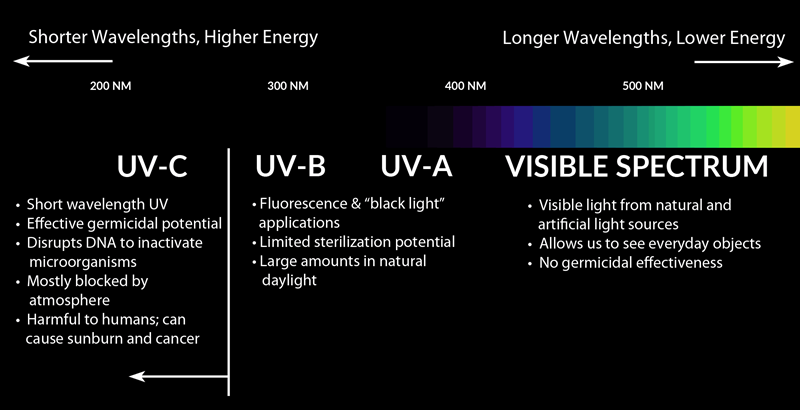
Understanding the key differences between UVA, UVB, and UVC LEDs can help you choose the right type for your needs. These differences are primarily in their energy, wavelength, penetration, and effects on health and materials.
Energy and Wavelength
UVA LEDs emit light in the 320-400 nm range, UVB LEDs emit in the 280-320 nm range, and UVC LEDs emit in the 100-280 nm range. The energy of UV light increases as the wavelength decreases, making UVC the most energetic.
Penetration and Effect on Materials:
UVA penetrates deeper into materials and human skin, causing long-term effects. UVB has a shallower penetration but can cause more immediate damage like sunburn. UVC has minimal penetration but is highly effective at surface-level disinfection.
Health Implications:
UVA can cause skin aging and DNA damage with prolonged exposure. UVB can lead to sunburn and increase the risk of skin cancer. UVC, while very effective at killing pathogens, can also cause severe skin burns and eye injuries if proper safety measures are not followed.
Efficiency and Lifespan
UVA LEDs are typically more efficient and have a longer lifespan compared to UVB and UVC LEDs. UVC LEDs, while powerful, often have a shorter operational life due to the high energy they emit and the materials required to produce them.
Safety Considerations
When using UV LEDs, it's important to be aware of potential health risks and take appropriate safety measures. Understanding these risks and following established guidelines can help prevent harm.
Health Risks
Exposure to UV light, especially UVB and UVC, can pose significant health risks. UVA can cause skin aging and DNA damage over time. UVB can lead to sunburn and skin cancers. UVC can cause severe burns and eye damage upon direct exposure.
Protective Measures
It is essential to take protective measures when using UV LEDs. Wear protective clothing and eyewear, limit exposure time, and use devices with built-in safety features to prevent accidental exposure.
Regulations and Standards
Various regulatory bodies have established safety standards for UV light exposure. These standards dictate acceptable exposure limits and the necessary safety precautions for using UV LEDs in different applications.
Conclusion
In summary, UVA, UVB, and UVC LEDs each have unique properties and applications. Understanding their differences in terms of energy, wavelength, penetration, and health implications is crucial for safe and effective use.

FAQs
1. Can UVC LEDs be used safely at home?
Yes, but with proper precautions. Always follow manufacturer instructions, use protective measures, and ensure the device has safety features to prevent accidental exposure.
2. Why is UVC not naturally present on Earth's surface?
The Earth's atmosphere absorbs UVC, preventing it from reaching the surface. This absorption protects living organisms from its harmful effects.
3. Are there any environmental concerns associated with UV LEDs?
UV LEDs, particularly UVC, are often used as a safer alternative to mercury-based UV lamps, which pose environmental hazards. However, proper disposal of UV LEDs is essential to prevent environmental contamination. Many manufacturers provide guidelines for the safe disposal of these devices.
4. Can UV LEDs damage materials other than human tissue?
Yes, prolonged exposure to UV light can degrade certain materials. UVA can cause fading and weakening of fabrics and plastics, while UVC can damage sensitive electronic components and other materials. It's important to consider the potential impact on materials in the environment where UV LEDs are used.
5. What are some common misconceptions about UV LEDs?
One common misconception is that all UV light is the same. As discussed, UVA, UVB, and UVC have distinct properties and effects. Another misconception is that UV light is always harmful. While it can be dangerous with excessive exposure, controlled use of UV LEDs offers significant benefits in medical, industrial, and domestic applications.
6. How do UV LEDs compare to traditional UV lamps?
UV LEDs offer several advantages over traditional UV lamps, including longer lifespan, lower energy consumption, and the absence of hazardous materials like mercury. They are also more compact and can be designed for specific wavelength outputs, making them more versatile for various applications.
7. What should I do if I accidentally get exposed to UVC light?
If you suspect accidental exposure to UVC light, seek medical attention immediately. Symptoms can include skin redness, eye pain, and irritation. Avoid further exposure and inform the healthcare provider about the incident to ensure appropriate treatment.
8. Can UV LEDs be used for air purification?
Yes, UVC LEDs are commonly used in air purifiers to kill airborne pathogens, including viruses and bacteria. These devices can improve indoor air quality, especially in environments where maintaining hygiene is critical.
How to Choose Lighting for Jewelry Stores?
Why do LED Lights Flicker in the Camera?
Related Article
Need an Instant Quote For Your Upcoming Projects?
Send us the details and we will get back to you within 12 hours.