
What is full spectrum light?
Full spectrum light is a term that is often associated with natural light and is known for its numerous benefits.
Today, we will explore the concept of full spectrum light, its characteristics, applications, and how it differs from other types of lighting.
What is Full Spectrum Light?

Full spectrum light refers to light that covers the entire electromagnetic spectrum, including all colors of the visible spectrum as well as a portion of the ultraviolet (UV) and infrared (IR) ranges. Essentially, it replicates the natural light provided by the sun. Sunlight is often considered the ideal example of full spectrum light because it contains a balanced distribution of wavelengths.
The history of full spectrum light
The concept of full spectrum light emerged from 20th-century research on natural sunlight's positive effects on health.
In the 1970s, fluorescent tubes attempted to replicate sunlight, leading to the development of full spectrum lighting.
By the 1980s, it gained popularity for treating Seasonal Affective Disorder.
Advances in LED technology in the 21st century enhanced the precision of light spectrum control.
Today, full spectrum lighting is widely used in homes, offices, and various industries, emphasizing its ability to replicate natural sunlight for improved well-being and color accuracy in diverse applications.
Why should we choose full spectrum light?
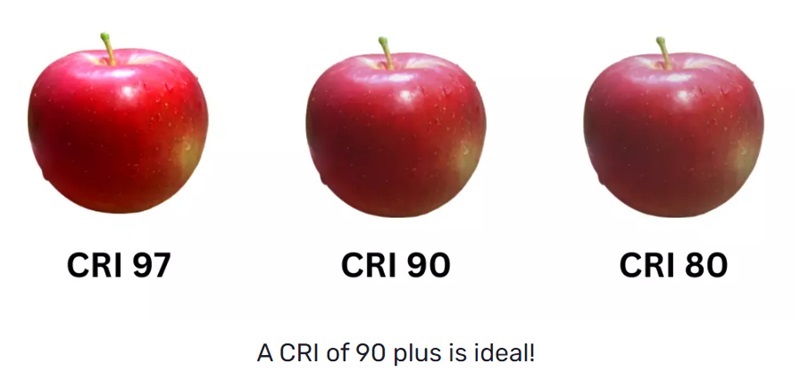
- Full spectrum light offers several advantages, primarily due to its ability to closely replicate natural sunlight. Some of the key advantages include:
- provides a balanced representation of colors, enhancing color accuracy and visual perception.This is particularly beneficial in settings like art studios, retail environments, and photography studios.
- Exposure to full spectrum light can positively impact mood, reduce symptoms of seasonal affective disorder (SAD), and contribute to overall well-being by influencing circadian rhythms.
- reduces eye strain and fatigue, making it more comfortable for tasks that require extended periods of visual concentration
- can promote optimal plant growth by providing a broad range of wavelengths necessary for photosynthesis
How is Full Spectrum Light Different from incandescent, fluorescent, led light?

Full spectrum light closely mimics natural sunlight by covering the entire electromagnetic spectrum.
In contrast, incandescent bulbs produce warm light but lack some color accuracy. Fluorescent lights are efficient but may have color gaps. LED lights offer energy efficiency but can have limited color ranges.
Full spectrum light replicates the sun's balanced wavelengths, supporting accurate color perception and influencing well-being. Incandescent, fluorescent, and LED lights may not provide the same breadth of wavelengths, impacting color rendering and potentially affecting mood and visual comfort.
The key difference lies in full spectrum light's aim to emulate the holistic qualities of natural sunlight for diverse applications.
How to test full spectrum light?
Testing full spectrum light typically involves evaluating its color rendering properties, intensity, and other relevant characteristics. Here are some steps you can take to test full spectrum light:

Color Rendering Index (CRI)
CRI measures how accurately a light source reproduces colors compared to a natural light source. A CRI of 100 is considered perfect. Use a CRI meter to test the full spectrum light source and check its color rendering capabilities.
Spectral Distribution
Full spectrum light should cover a broad range of wavelengths, mimicking natural sunlight. Spectroradiometers or spectrophotometers can be used to measure the spectral distribution of light across different wavelengths.
Color Temperature

Full spectrum light should have a color temperature that closely resembles natural sunlight. Use a color temperature meter to measure the Kelvin temperature of the light source. Natural sunlight typically has a color temperature around 5500K to 6500K.
Intensity Measurement
Measure the intensity of the full spectrum light using a lux meter. Lux meters measure the illuminance (brightness) of light in lux. Ensure that the intensity is appropriate for the intended use.
Flicker Testing
Some low-quality lights can exhibit flicker, which might not be apparent to the naked eye. Use a flicker meter or a high-speed camera to check for any flickering in the light source. Flicker can cause discomfort and visual issues over time.
UV Emission
Ensure that the full spectrum light source does not emit excessive ultraviolet (UV) radiation. Excessive UV exposure can be harmful to the eyes and skin. UV meters can be used to measure UV levels.
Color Spectrum Analysis
Use a color spectrometer to analyze the color spectrum produced by the light source. This can provide detailed information about the distribution of colors and help identify any gaps or irregularities.
Subjective Evaluation
Lastly, conduct subjective evaluations by exposing individuals to the full spectrum light and collecting feedback. This can include assessing visual comfort, perception of colors, and overall satisfaction.
When testing full spectrum light, it's essential to use appropriate measuring instruments and follow standard procedures. If you're not familiar with these instruments or testing procedures, consider consulting with professionals or using accredited testing laboratories for accurate assessments.
where can I use full spectrum light?

- Full spectrum light finds versatile applications in various settings due to its ability to closely replicate natural sunlight.
- It is commonly used in light therapy for conditions like seasonal affective disorder and depression, promoting improved mood and regulating circadian rhythms.
- In homes and offices, full spectrum lighting creates a comfortable and visually pleasing environment, reducing eye strain and enhancing overall well-being.
- Retail spaces benefit from its accurate color representation, making products more appealing to customers.
- Art studios and galleries utilize full spectrum light for precise color perception in creating and showcasing artwork.
- Photography and film production rely on it for accurate color reproduction.
- Greenhouses employ full spectrum lighting to support optimal plant growth through a balanced light spectrum.
- In healthcare, it contributes to creating a natural and comforting atmosphere for patients, while educational institutions use it to enhance concentration and alertness in classrooms.
Myths and Misconceptions about Full Spectrum Light
A. Full Spectrum Light is Harmful
Contrary to the misconception that full spectrum light is harmful, it is important to note that full spectrum light, when used appropriately, does not pose any significant harm. Natural sunlight, the primary source of full spectrum light, is essential for many biological functions and overall well-being. However, it is still important to practice responsible light exposure and protect against excessive UV radiation.
B. Full Spectrum Light is the Same as Natural Light
While full spectrum light attempts to replicate the qualities of natural light, it is not exactly the same. Natural sunlight consists of a wider range of wavelengths, including ultraviolet (UV) and infrared (IR) light, which are not typically present in artificial full spectrum light sources. However, full spectrum light aims to provide a comprehensive range of visible wavelengths to achieve similar benefits as natural light.
C. Full Spectrum Light is Unnecessary for Everyday Use
Although full spectrum light may not be necessary for every lighting situation, its benefits can be valuable in various applications. From enhancing visual clarity and mood to regulating circadian rhythms, full spectrum light can significantly impact the quality of our environment and well-being. Assessing the specific lighting needs and desired outcomes can help determine when full spectrum light is most beneficial.
People also ask
1. Can full spectrum light improve plant growth in greenhouses?
Yes, full spectrum light in greenhouses supports optimal plant growth by providing a diverse range of wavelengths essential for photosynthesis.
CRI measures how accurately a light source reproduces colors compared to natural sunlight. A higher CRI in full spectrum lighting indicates better color rendering.
Exposure to full spectrum light, especially in the morning, helps regulate circadian rhythms, improving sleep patterns and overall sleep quality.
Technologies like fluorescent tubes, LEDs, and advancements in LED technology have been used to create full spectrum lighting, evolving to provide more precise control over the light spectrum.
Factors include color quality, spectral distribution, and adherence to specific standards to ensure the desired benefits are achieved.
Conclusion
In conclusion, full spectrum light covers the entire visible light spectrum and aims to replicate the qualities of natural sunlight. It offers numerous benefits, including improved color rendering, enhanced visibility, and promotion of overall well-being.
When selecting full spectrum light, factors like color temperature, energy efficiency, and specific requirements for each application should be considered. By understanding the concept of full spectrum light and its applications, individuals can make informed decisions to create optimal lighting environments that positively impact their lives.
High quality VS cheap low quality LED strip
The ultimate guide to Dali Dimming
Related Article

Need an Instant Quote For Your Upcoming Projects?
Send us the details and we will get back to you within 12 hours.