
What's the HS code for my LED Product? (Updated on 22th July 2025)
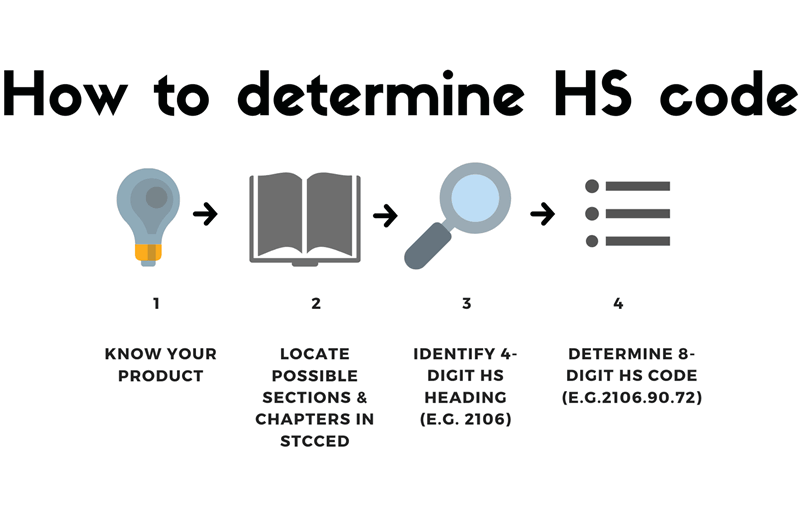
When shipping LED products internationally, it's crucial to use the correct HS code (Harmonized System code), a standardized international nomenclature developed by the World Customs Organization (WCO). HS codes help classify products, streamline global trade, and ensure that tariffs, duties, and regulations are correctly applied. This guide will cover the origin of HS codes, the rules for classification, a table of common HS codes for LED products, and resources for HS code lookups.
HS Codes for Common LED Products (Updated on 31th Otc. 2024)
In international trade, LED products are classified under specific HS (Harmonized System) codes, which help streamline customs processes and determine applicable tariffs. These codes are essential for accurately identifying and categorizing LED products, from general lighting to specialized applications. Below is a reference table of common HS codes for various LED products.
| LED Product Type | Description | HS Code |
| LED Bulbs | Light-emitting diode (LED) lamps | 8539.51.00 |
| LED Fixtures | LED lighting fixtures | 9405.42.90 |
| LED Strip Lights | Flexible or rigid LED light strips | 9405.42.90 |
| LED Signage/Displays | Illuminated signs or display panels | 9405.61.00 |
| LED Modules | Individual LED modules for lighting | 9405.69.00 |
| LED Street Lights | LED fixtures for streets or highways | 9405.41.00 |
| LED Flashlights | Portable, battery-operated LED lights | 8513.10.10 |
| LED Automotive Lights | LED lights for automotive use | 8512.20.10 |
| LED Grow Lights | Specialized lights for plant growth | 9405.11.00 |
| LED Tube Lights | Tube-shaped LED lights | 8539.51.00 |
| LED Panel Lights | Flat-panel LED lighting | 9405.41.00 |
| LED Spotlights | Directional LED spotlights | 9405.42.90 |
| LED Decorative Lighting | String or decorative LED lighting | 9405.41.00 |
| LED Industrial Lighting | Heavy-duty lighting for industrial use | 9405.41.00 |
Origin of HS Codes
HS codes were developed in 1988 by the World Customs Organization as a universal system to classify traded goods, with over 200 countries now using them. HS codes consist of six digits globally standardized across all member countries, though countries may add more digits for specific products or local classifications. Each code reflects the product’s category, making it easier for customs authorities to classify and apply duties and taxes.
Importance of HS Codes in Trade
HS codes play a crucial role in global trade by standardizing product classification, which ensures consistency across international borders. They allow for clear identification of goods, which is essential for applying tariffs, taxes, and trade regulations. Accurate HS coding helps streamline customs processes, reduce delays, and avoid penalties that can occur from incorrect classifications. Moreover, HS codes also assist in trade statistics gathering, allowing governments and organizations to track trade patterns, regulate imports, and negotiate tariffs in trade agreements.
Understanding HS Code Structure
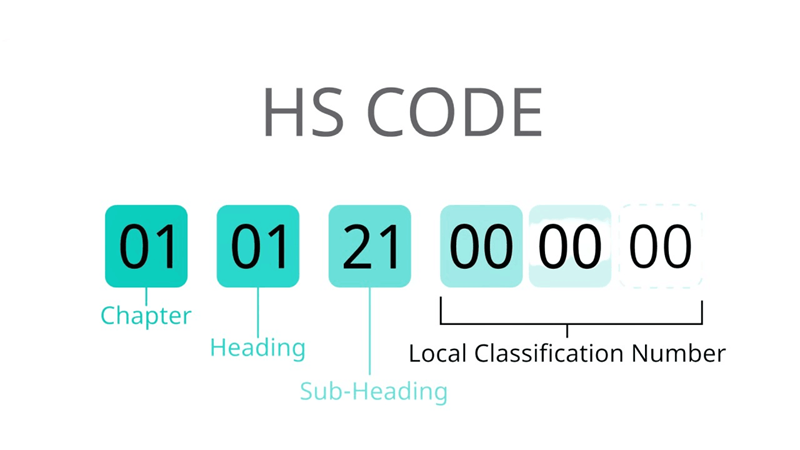
HS codes are structured into a six-digit classification format set by the World Customs Organization (WCO). The code is divided into three main parts: the chapter (first two digits), heading (next two digits), and subheading (final two digits). Each part provides a more specific classification as you progress. The first two digits identify the product's general category, the second pair narrows it down to a particular subgroup, and the final two specify the exact type of product. This structured system allows uniformity in classification, making it easier for customs to identify the nature and purpose of products.
Key Rules for Classification:
Key rules for classifying products with HS codes help ensure accurate categorization, reducing delays and potential penalties. Below are some core guidelines to follow when determining the correct HS code for an LED product:
Use the Product’s Primary Purpose: Classification should always be based on the product’s main function. For example, LED bulbs intended for general lighting should not be classified under signage even if they are sometimes used in illuminated signs. Accurately identifying the primary purpose helps avoid misclassification.
Select the Most Specific Code: In cases where multiple codes seem applicable, select the code that most precisely describes the product. For instance, if an LED tube light could fall under general lighting or tube-specific lighting categories, the tube-specific code should be used as it provides a clearer description.
Examine Chapter Notes and Section Notes: HS code chapters often contain notes outlining what should or should not be included. For example, some chapters exclude certain components or products that belong to a different category. Reviewing these notes ensures your product isn’t accidentally classified in an unrelated section.
Understand “Composite Goods” Rules: For products combining multiple elements, such as LED systems with sensors, classify them by the component that best represents the product's core purpose. The Harmonized System offers guidance for these complex products, but if in doubt, consider consulting a customs expert.
Adhere to General Interpretative Rules (GIRs): The World Customs Organization (WCO) created the General Interpretative Rules, which offer six rules to help with HS classification. Rule 1 states that classification should begin with the headings and subheadings in the tariff schedule. Rule 6 further refines classification by ensuring subheadings are compared within the same heading.
Look at Multi-Purpose Products Closely: If your LED product serves more than one purpose (e.g., decorative and functional lighting), assign the code that best represents the product’s main function. If no single purpose is dominant, choose a code based on the product's design, marketing, and common use.
Identify Accessories vs. Components: Accessories that support the LED’s main function, like mounts or connectors, should generally not be classified with the primary LED product code. However, essential components integral to the LED’s operation, like drivers in smart lighting systems, may be classified with the product if specified by the chapter notes.
Consider National Tariff Modifications: Some countries adopt slight modifications to HS codes. Checking these modifications ensures that international shipments meet local classification standards, reducing complications during customs inspections.
Review Recent Updates: HS codes are updated periodically to reflect new technology and trade changes. Checking the latest version helps to avoid using outdated codes, ensuring that classification aligns with current standards.
Methods for Finding HS Codes
Here are the websites for each of the resources mentioned for finding HS codes:
World Customs Organization (WCO) - Provides access to the Harmonized System nomenclature with detailed HS code classifications:
Website: https://www.wcoomd.org/
Harmonized Tariff Schedule (HTS) - U.S. International Trade Commission’s portal for U.S.-specific tariff codes:
Website: https://hts.usitc.gov/
Trade Tariff Tool (UK) - The official UK government tool for HS codes and tariff information:
Website: https://www.gov.uk/trade-tariff
Tariff Schedule (Canada) - Canada’s official lookup tool for HS codes and duty information:
Website: https://www.cbsa-asfc.gc.ca/trade-commerce/tariff-tarif/menu-eng.html
European Union TARIC - The EU’s tool for HS code lookup, including details on duties and restrictions for various products:
Website: https://ec.europa.eu/taxation_customs/dds2/taric/taric_consultation.jsp
HSBianma – A Chinese-only HS code lookup tool known for its ease of use, especially for users focused on Chinese trade.
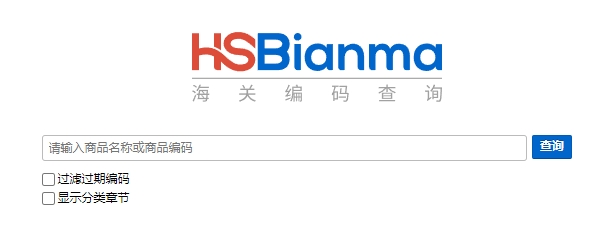
Website: www.hsbianma.com
FAQs
1. How do I find the HS code for an LED product if I’m unsure?
To find the correct HS code, consult online resources such as government tariff websites, industry HS code databases, or a customs expert who can classify the product based on specific details, like primary function and design.
2. Can I use the same HS code for all LED lighting products?
No, each LED lighting product has unique codes based on type and use (e.g., LED tube lights, strip lights, automotive LEDs). Using a specific HS code aligned with each product’s purpose helps prevent misclassification.
3. Do I need to include the HS code on my export documents?
Yes, including the HS code on export documents like invoices, customs declarations, and certificates of origin is essential. Accurate codes ensure smooth customs clearance and help calculate applicable duties or VAT.
4. Are there additional duties or taxes for LED products?
Yes, depending on the importing country’s regulations, additional taxes or duties may apply to LED products. These vary by country, so consulting local tariff resources helps estimate total import costs.
5. How often do HS codes change?
The WCO updates HS codes every five years to accommodate new technologies and trade patterns. Countries may introduce additional changes more frequently, so staying updated with your local customs agency is recommended.
6. How can I verify my HS code is correct?
Verification can be done through government databases or by consulting with a customs broker. Using an incorrect HS code can result in miscalculated duties or regulatory issues, so verification is essential for compliance.
7. Is there a difference between HS and HTS codes?
Yes, HS codes are the international standard, while HTS (Harmonized Tariff Schedule) codes are specific to the United States and include additional digits for finer classification and duty assessments.
8. Can customs reject an incorrect HS code?
Yes, customs officials can reclassify items with incorrect HS codes, potentially leading to delays, additional fees, or fines. Accurate HS code selection ensures that your goods pass through customs smoothly and efficiently.
Summary
Using the correct HS code for LED products ensures smooth customs processing and accurate duty calculations. When in doubt, use trusted online resources or consult with a customs broker for guidance. Following classification rules and regularly verifying codes helps businesses stay compliant and avoid delays in international shipping.
Top 14 LED Tube Light Manufacturers in China
Top 15 LED Linear Light Manufacturers in China
Related Article




Need an Instant Quote For Your Upcoming Projects?
Send us the details and we will get back to you within 12 hours.