
The Ultimate Guide to CSP LED Strip Lights
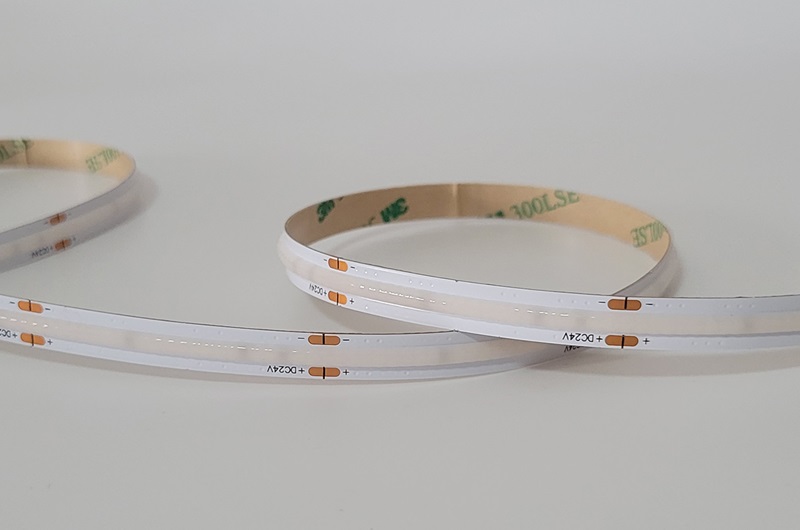
In the rapidly evolving world of LED lighting, CSP LED strips (Chip Scale Package) have become a top choice for both residential and commercial applications. With their compact design, energy efficiency, and versatile functionality, CSP LED strips are revolutionizing lighting solutions. This comprehensive guide covers everything you need to know about CSP LED strips—from their benefits to installation tips, and even comparisons with other popular LED technologies like COB and SMD strips.
What Is a CSP LED Strip?
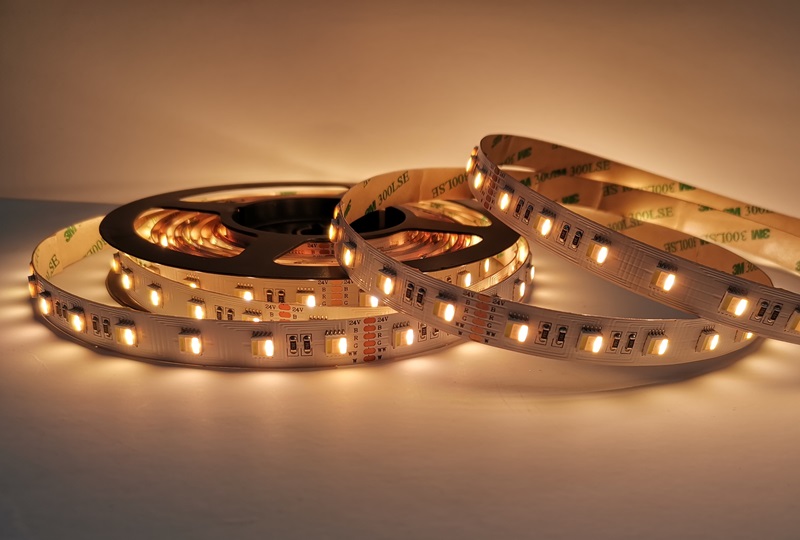
A CSP LED strip utilizes Chip Scale Package (CSP) LEDs, which are small, highly efficient light-emitting diodes. Unlike traditional LEDs, which are mounted onto packages that then attach to a PCB, CSP LEDs are directly bonded to the PCB. This design minimizes thermal resistance and improves reliability.
The translucent silicone coating on the CSP LEDs enhances light diffusion and protects the LEDs from dust and moisture. This combination of high-efficiency light output, compact size, and reliability makes CSP LED strips ideal for applications in residential, commercial, and architectural lighting projects.
Advantages of CSP LED Strip Lights
1. High Luminous Efficiency
CSP LED strips boast excellent light output for the energy consumed. Thanks to their compact packaging and advanced technology, they provide higher brightness while consuming less energy compared to other LED packages. This makes them a more energy-efficient option for large-scale lighting installations.
2. Better Color Consistency
CSP LEDs are manufactured using a precise binning process, ensuring uniform color temperature and minimal color variance across the entire strip. This consistency is crucial for professional applications like retail displays, art galleries, and high-end architectural projects, where accurate color representation is key.
3. Compact Size and Flexibility
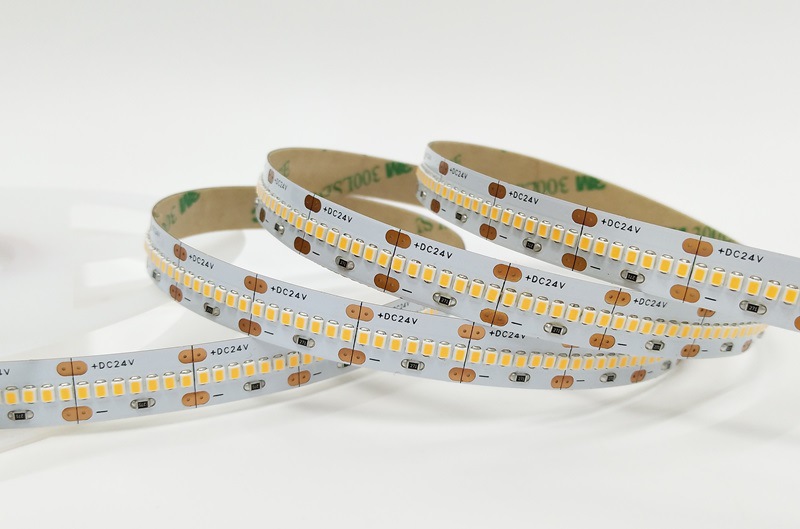
CSP LED strips are much more compact than traditional LEDs, allowing for high-density LED arrangement on the strip. This feature makes them an excellent choice for narrow spaces or complex lighting designs where flexibility and size constraints are important.
4. Enhanced Reliability
With fewer failure points—thanks to the elimination of soldered gold wire connections—CSP LED strips offer greater durability and longer lifespans. This reliability makes them well-suited for commercial and industrial applications where longevity and reduced maintenance are important.
5. Easy Installation
The flexible PCB and cuttable design of CSP LED strips make them highly adaptable for a variety of installations. Whether you’re installing them under cabinets, along walls, or in outdoor spaces, the strips can be cut to fit custom lengths and shapes.
6. Wide Applicability
CSP LED strips are versatile, making them suitable for accent lighting, task lighting, or ambient lighting. Their compact design and high efficiency make them a popular choice for residential, commercial, and architectural projects that demand precise, high-quality lighting.
Types of CSP LED Strip Lights
1. Single Color CSP LED Strips
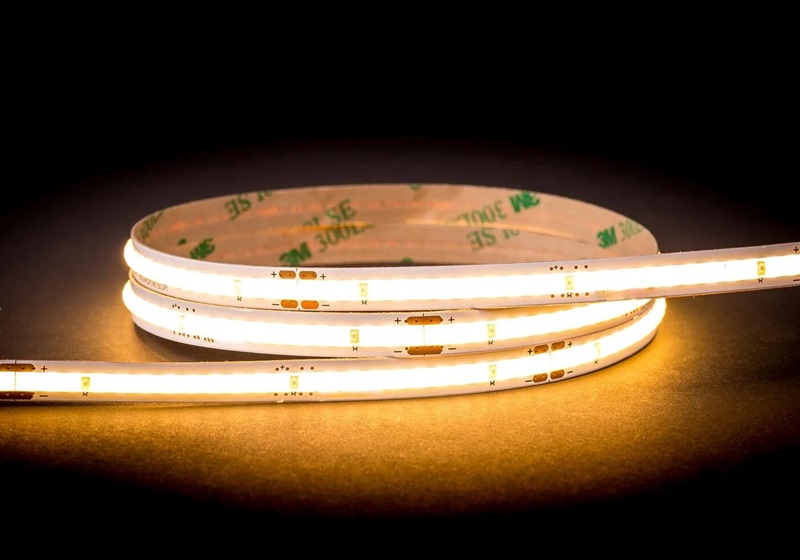
Single-color CSP LED strips emit a fixed color, such as warm white, cool white, red, green, or blue. These strips are an excellent choice for creating a specific ambiance in residential or commercial spaces, such as restaurants, shops, or homes.
2. Tunable White CSP LED Strips
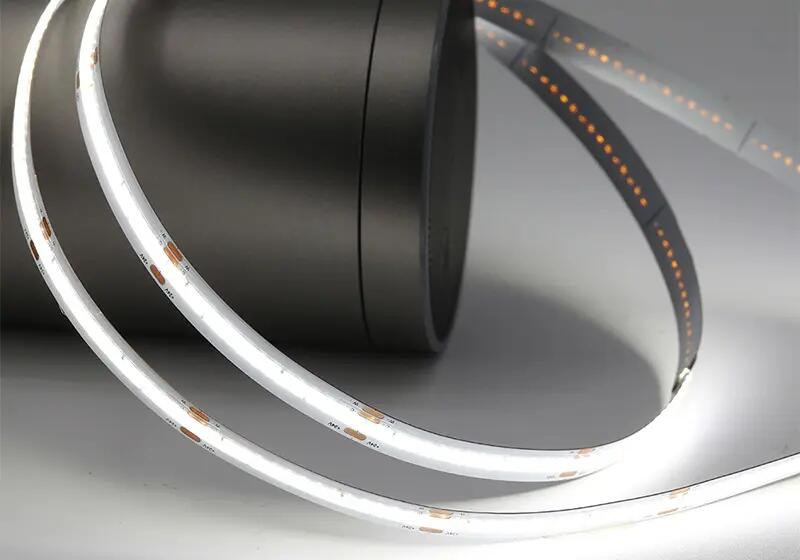
Tunable white CSP LED strips allow users to adjust the color temperature of the white light from warm to cool. This versatility makes them ideal for applications where dynamic lighting environments are required, such as offices, conference rooms, or living spaces that need both task and ambient lighting.
3. RGB, RGBW, and RGBTW CSP LED Strips

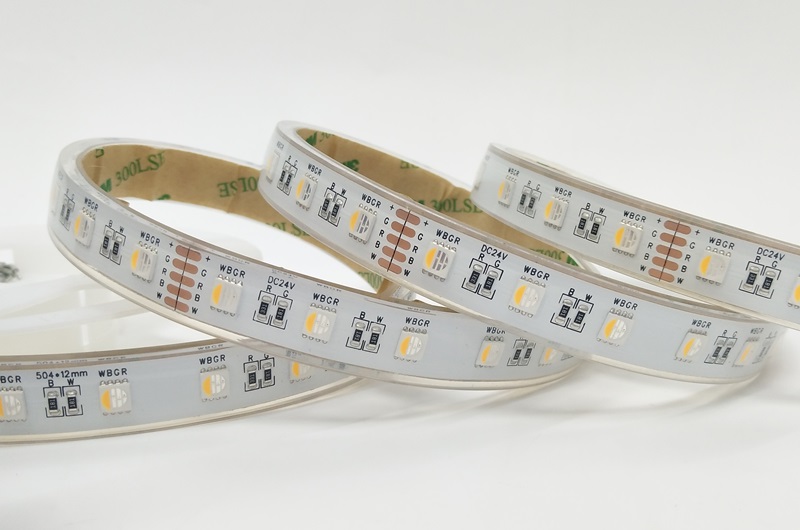
RGB CSP LED strips combine red, green, and blue LEDs to create a full spectrum of colors. RGBW strips add a white LED to enhance the variety of color options and improve white light performance. These strips are perfect for mood lighting, decorative lighting, or creating a dynamic lighting experience in homes or commercial spaces.
CSP LED Strip vs COB LED Strip

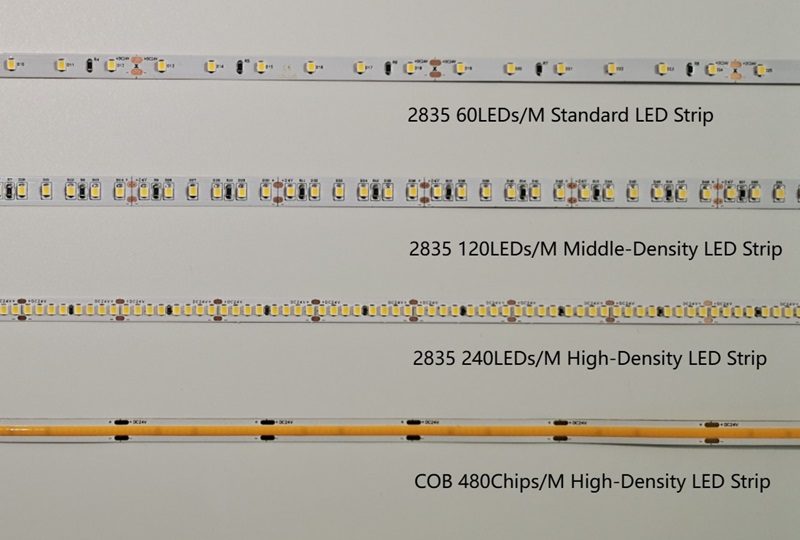
Both CSP (Chip Scale Package) and COB (Chip-on-Board) LED strips are popular for their efficient lighting performance. However, they differ significantly in terms of light uniformity, efficiency, and best use cases. CSP LED strips are known for their compact size and high efficiency, while COB LED strips provide continuous, spot-free light, making them ideal for specific applications.
Comparison Table: CSP LED Strip vs COB LED Strip
| Feature | CSP LED Strip | COB LED Strip |
| Light Uniformity | Visible light spots, but more flexible for compact spaces | Smoother, spot-free light distribution |
| Light Efficiency | Higher lumens per watt, more energy-efficient | Lower efficiency, consumes more power |
| Color Consistency | Better consistency, no yellow tint | May show a yellow tint from the phosphor coating |
| Appearance | Neutral appearance with translucent coating | Visible yellow glue or phosphor coating |
| Best Use Cases | Ideal for space-constrained designs, tight installations | Perfect for continuous lighting in retail, offices |
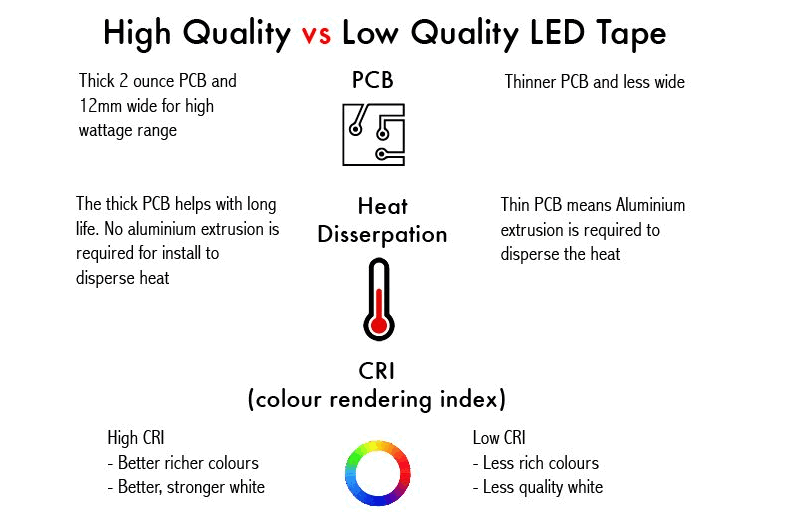
| Heat Management | Superior heat dissipation | Standard heat management |
CSP LED Strip vs SMD LED Strip

While CSP LED strips are newer and offer more compactness, flexibility, and better heat dissipation, SMD LED strips (Surface Mounted Device) are larger and often used in cost-effective, basic lighting solutions. The differences mainly revolve around size, heat management, and applications.
Comparison Table: CSP LED Strip vs SMD LED Strip
| Feature | CSP LED Strip | SMD LED Strip |
| Size & Compactness | Smaller, more compact; fits tight spaces | Larger in size, less suitable for intricate designs |
| Heat Dissipation | Better heat management, prevents overheating | Less efficient, higher risk of overheating |
| Light Uniformity | High-density, fewer visible hot spots | More noticeable light spots |
| Applications | High-end, flexible lighting solutions | Basic residential or decorative lighting |
| Energy Efficiency | More efficient, higher light output per watt | Less efficient, consumes more power for the same light output |
| Cost | Typically more expensive due to advanced technology | More affordable for budget-friendly applications |
CSP LED Strip vs SMD LED Strip
Applications of CSP LED Strip Lights
Architectural Lighting:
CSP LED strips are perfect for accentuating architectural details, such as building facades, pathways, gardens, and bridges.
Retail and Commercial Spaces:
Ideal for illuminating display cases, shelves, and creating ambient lighting that enhances the shopping experience and attracts customers.
Automotive Industry:
CSP LED strips offer flexible and energy-efficient lighting solutions for both interior and exterior lighting in vehicles.
Home Decor and Residential Lighting:
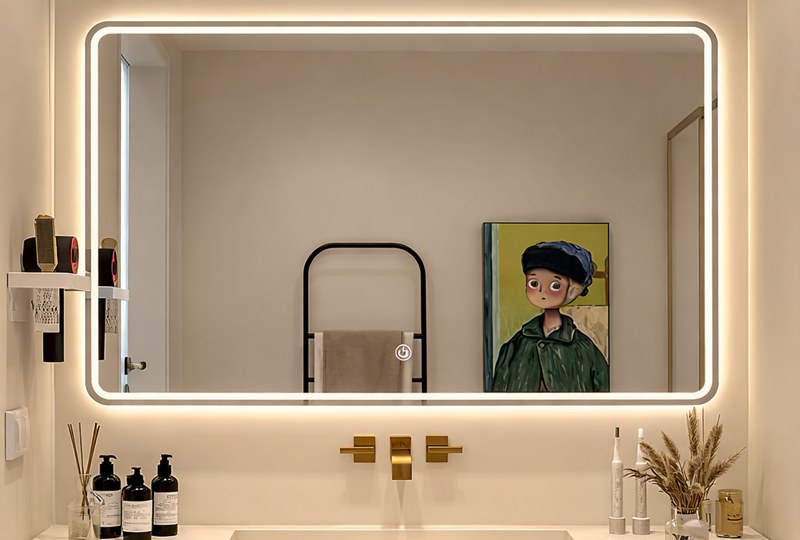
CSP strips are perfect for creative applications like under-cabinet lighting, cove lighting, and other decorative lighting setups in kitchens, bathrooms, and living areas.
Entertainment and Hospitality:
These strips add a dynamic lighting effect in theaters, nightclubs, and event venues, enhancing the overall visual experience.
How to Choose the Right CSP LED Strip
Determine the Purpose
Decide whether you need the strips for accent lighting, task lighting, or general illumination.
Brightness and Color Temperature
Choose the right lumen output and color temperature based on your lighting needs. Warm white (2700K–3000K) creates a cozy ambiance, while cool white (5000K–6500K) is better for task-oriented spaces.
For more detail, you can check:
2700K vs 3000K vs 4000K vs 5000K vs 6500K, which one is better?
Waterproofing (IP Rating):
If you're installing the LED strips in moist environments, such as bathrooms or outdoors, ensure they have an appropriate IP rating (e.g., IP65 or higher).
For more detail, you can check:
The Ultimate Guide To Waterproof LED Strip Light in 2024
Power Supply Compatibility
Make sure the power supply matches the voltage and current requirements of your CSP LED strip to avoid any performance issues.
For more detail, you can check:
how to choose the right power supply for led strip?
How to Install CSP LED Strip Lights

Design the Layout
Plan the placement of your strips and measure the required length to avoid wastage.
Surface Preparation
Clean the installation surface to ensure the strip adheres properly and stays in place.
Measuring and Cutting
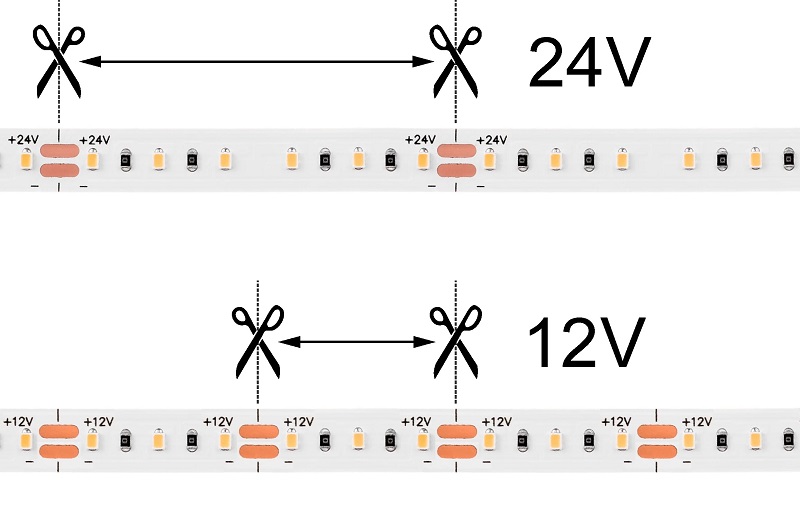
CSP LED strips can be cut at designated points. Ensure accurate measurements to avoid damaging the strip.
Connectors and Accessories
Use connectors to extend or bridge sections of LED strips for a seamless installation.
Mounting and Powering
Attach the strip using adhesive backing or mounting clips, then connect it to the power supply.
Safety Precautions When Using CSP LED Strips
Ensure Proper Power Connection
Use the right power supply for your LED strips to prevent electrical issues.
Ventilation
Allow sufficient airflow to dissipate heat generated by the LEDs.
Cutting and Reconnection
Only cut at designated points and reconnect safely using connectors.
Regular Inspection
Check for wear or damage regularly, and address any issues promptly.
CSP LED Strip Accessories
Connectors and Adapters
Necessary for extending or joining strips, and connecting them to a power source.
Aluminum Channels and Diffusers: Protect the strips and improve heat dissipation while also giving a more polished appearance to your installation.
Power Supply Options
Options include plug-in adapters, hardwired drivers, or dimmable power supplies.
Troubleshooting Common Issues
Flickering or Inconsistent Brightness: This is often due to insufficient power or loose connections. Check the power supply and ensure the connections are secure.
Power and Connectivity Problems: Inspect the power supply and connections to ensure proper voltage and no broken wires.
Overheating: Ensure adequate airflow and avoid covering the LED strips with materials that might trap heat.
Color Shifting: Color inconsistencies could result from inadequate power or poor quality strips. Replace faulty sections if necessary.
FAQs
1. How does CSP LED technology differ from traditional LEDs?
CSP LED technology is distinct from traditional LEDs because it does not require wire bonding or additional packaging. The LED chips are mounted directly onto the PCB, reducing the overall size and improving thermal efficiency. This allows CSP LEDs to handle higher power loads, produce more light per watt, and offer better reliability over time. Traditional LEDs, such as SMD or COB, use more components, which can increase their size, reduce efficiency, and create more potential points of failure.
2. Can CSP LED strips be cut and reconnected?
Yes, CSP LED strips can be cut at designated points (usually marked by a scissor icon) and reconnected. To do so, you need special connectors or soldering to maintain the electrical circuit. After cutting, ensure the connections are properly insulated and secured to prevent any electrical hazards. This flexibility makes CSP LED strips perfect for customized installations, where precise lengths are needed, such as under-cabinet lighting or accent lighting.
3. Are CSP LED strips waterproof?
Some CSP LED strips are waterproof, but it depends on their Ingress Protection (IP) rating. If you are looking to install LED strips in areas where they might be exposed to moisture, such as bathrooms, kitchens, or outdoor environments, make sure the strip has an IP65 rating or higher. IP65 strips can withstand low-pressure water jets, while IP67 or IP68 strips are designed for more extreme environments, such as full submersion in water.
4. What is the expected lifespan of CSP LED strips?
CSP LED strips have an impressive lifespan, typically ranging from 50,000 to 100,000 hours. This means that, on average, they can last anywhere from 5 to 10 years when used for around 12 hours a day. The longevity of CSP LED strips is due to their efficient heat dissipation, high-quality materials, and advanced chip design, which reduce wear and tear over time.
5. Are CSP LED strips dimmable?
Yes, CSP LED strips are dimmable, but you will need a dimmable power supply and a compatible dimmer controller. Dimmable strips allow you to adjust the brightness level to suit your needs, whether you’re creating ambient lighting or task lighting. It’s essential to ensure that both your dimmer and power supply are compatible with LED dimming to avoid flickering or damaging the LED strip.
6. What is the maximum length I can install in one run?
The maximum length of CSP LED strips that can be installed in one continuous run depends on the voltage of the strip. For 12V CSP LED strips, the typical maximum length is 5 meters (16.4 feet) before voltage drop occurs, causing reduced brightness. 24V CSP LED strips can be installed in longer runs, up to 10 meters (32.8 feet). To install longer runs, you will need to connect multiple sections in parallel or use a higher voltage system.
7. How do I choose between single color and RGB CSP LED strips?
Choosing between single-color and RGB CSP LED strips depends on your lighting needs. Single-color strips are ideal for creating a consistent ambiance, such as warm or cool white light, and are great for task lighting or accent lighting in homes and offices. RGB CSP LED strips are more dynamic, offering multiple colors and the ability to create lighting effects. These are ideal for mood lighting, decorative lighting, and environments where you want to change the lighting scheme frequently, such as parties or events.
8. What IP rating should I choose for outdoor installations?
For outdoor installations, it’s recommended to choose a CSP LED strip with at least an IP65 rating. This provides protection against dust and water jets, making it suitable for areas exposed to rain or sprinklers. If the strip will be exposed to heavy water contact, such as in pools or fountains, an IP67 or IP68 rated strip is necessary, as it can withstand full immersion.
9. Do CSP LED strips get hot during use?
While CSP LED strips do generate some heat, they are designed with superior heat dissipation capabilities, making them much cooler than traditional lighting options. Proper airflow and installation methods should be maintained to avoid trapping heat, but in most applications, CSP LED strips remain cool to the touch and do not pose a fire hazard. If you’re using high-power CSP LED strips, installing them with aluminum channels can help dissipate heat more efficiently.
10. Can I control CSP LED strips with a smartphone?
Yes, CSP LED strips can be controlled using a smartphone if they are connected to a compatible Wi-Fi or Bluetooth controller. By using dedicated apps, you can adjust brightness, change colors (for RGB strips), set schedules, or create lighting scenes directly from your phone. Some CSP LED strips can also be integrated into smart home systems like Amazon Alexa, Google Assistant, or Apple HomeKit for voice-activated control.
11. What is the beam angle of CSP LED strips?
CSP LED strips typically have a beam angle of 120–180 degrees, which provides a wide spread of light. This makes them suitable for both general lighting and accent lighting applications. The broader beam angle ensures even light distribution, reducing shadows and providing consistent illumination across surfaces.
12. What are the best applications for addressable CSP LED strips?
Addressable CSP LED strips are ideal for dynamic lighting applications that require individual control over each LED. Common uses include entertainment venues, stage lighting, holiday decorations, and interactive installations. The ability to create custom animations, effects, and patterns makes them popular for creative lighting displays, such as in bars, clubs, or art installations.
Conclusion
CSP LED strips offer an exceptional solution for modern lighting needs. With their high efficiency, superior color consistency, and enhanced durability, they are ideal for a wide range of applications, from residential to commercial and architectural lighting. Whether you're looking for task lighting, accent lighting, or ambient lighting, CSP LED strips provide the flexibility and performance required for any project. Take advantage of the latest in CSP LED technology and transform your lighting today!
How to Design LED Strip Light in the Bathroom?
The Ultimate Guide To Waterproof LED Strip Light in 2026
Related Article
Need an Instant Quote For Your Upcoming Projects?
Send us the details and we will get back to you within 12 hours.