
What's the Voltage Drop of LED Strip Light?
author: Ivan Huang
2023-05-09
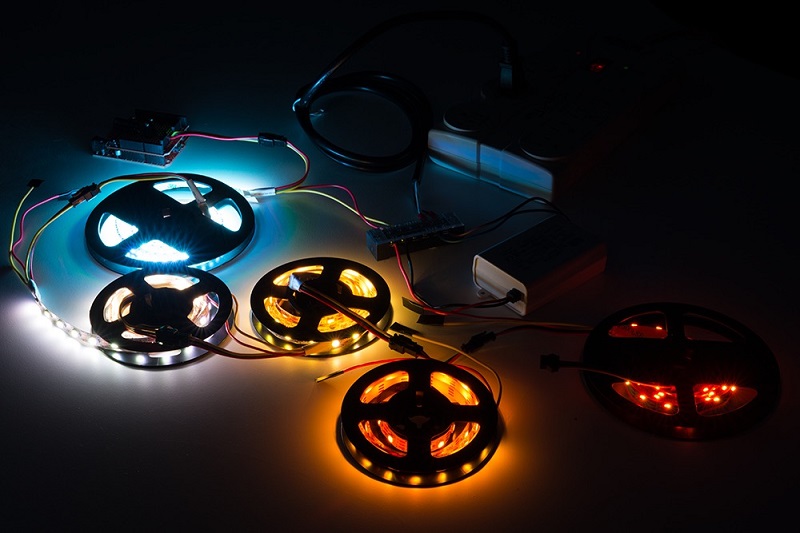
LED strips are becoming increasingly popular as a lighting solution for homes, offices, and industrial spaces. One important factor to consider when using LED strips is the voltage drop, which can affect the brightness and overall performance of the lights.
In this article, we will explore what voltage drop is and how it affects LED strips.
What is Voltage Drop?
Voltage drop refers to the decrease in voltage that occurs as electrical current travels through a circuit. This phenomenon is caused by the resistance of the circuit, which results in the conversion of electrical energy into heat energy. As the current flows through the circuit, some of the energy is lost due to this conversion, resulting in a decrease in voltage.
Voltage drop is typically measured in volts and can be calculated using Ohm's Law, which states that voltage drop equals the product of the current and resistance of the circuit.
Voltage Drop in LED Strips

LED strips are designed to operate on a specific voltage, which is typically between 12V and 24V DC. When connected to a power source, the LED strip will draw a certain amount of current, which can cause a voltage drop to occur.
The amount of voltage drop in an LED strip will depend on a variety of factors, such as the length of the strip, the size and number of LEDs, the thickness of the wire used, and the distance between the power source and the strip. As a general rule, the longer the LED strip, the greater the voltage drop will be.
To minimize the effects of voltage drop in an LED strip, it is important to use the correct wire gauge and to make sure that the power source is sufficient for the length and type of LED strip being used. It is also significant to minimize the distance between the power source and the LED strip to reduce the amount of voltage drop that occurs.
Calculating Voltage Drop in LED Strips
To calculate the voltage drop in an LED strip, you will need to know the length of the strip, the number of LEDs per meter, the voltage of the power supply, and the wire gauge being used. The following formula can be used to calculate voltage drop:
Vdrop = (length x LED/meter x amps/meter x resistance/meter) / 1000
Where:
Vdrop is the voltage drop in volts
Length is the length of the LED strip in meters
LED/meter is the number of LEDs per meter
Amps/meter is the current draw of the LED strip per meter
Resistance/meter is the resistance of the wire per meter
For example, if you have a 5-meter LED strip with 60 LEDs per meter, a current draw of 1.5 amps per meter, and 18-gauge wire, the voltage drop can be calculated as follows:
Vdrop = (5 x 60 x 1.5 x 0.00639) / 1000 = 0.86V
This means that the voltage at the end of the LED strip will be 0.86V less than the voltage at the beginning of the strip.
Minimizing Voltage Drop in LED Strips
To minimize the effects of voltage drop in LED strips, there are several steps that can be taken:
1. Parallel Connections
If you want to install 30 meters led strip light around the ceiling, you can use the parallel connection to avoid voltage dorp.You can use 2 ways to connect the led strips as follows:
a: 5 meters each connect to the power supply:

b: 10 meters each connect to the power from both sides:

2. Use 24 Volt driver

If you are to install led strip light for a large lighting project, the best way is to use a DC24V led strip light. It will less voltage drop than DC12V led strip lights.
For more, you can check: 12V vs 24V LED strip, which one is better?
3. Use the Correct Wire Gauge
Using a wire that is too thin can increase the resistance of the circuit, resulting in more voltage drop. It is important to use the correct wire gauge based on the length and current draw of the LED strip.

4. Use an LED strip with thick copper PCB
We use copper as the PCB material. This is because it conducts electricity much better. The thickness of copper PCB is usually rated in ounces. The thicker the copper PCB, the more current can flow through. We recommend using 2 ounces, or 3 ounces for higher power LED strips to avoid voltage drop.
The thicker the copper PCB, the less the internal resistance. As such, the copper PCB will carry power more efficiently. In addition, It’s more conducive to heat dissipation.
5. Choose a Suitable LED Power Supply
Using a LED power supply that is too weak can result in voltage drop and reduced brightness. It is important to choose a power supply that is rated for the length and type of LED strip being used.
6. Minimize the Distance Between the Power Supply and the LED Strip
The longer the distance between the power supply and the LED strip, the greater the voltage drop will be. It is essential to minimize the distance between the power supply and the LED strip to reduce the amount of voltage drop that occurs.
7. Use Amplifiers or Repeaters
For longer LED strips, it may be necessary to use amplifiers or repeaters to boost the voltage and compensate for voltage drop. These devices are placed along the circuit to amplify the signal and maintain the proper voltage level.
By taking these steps, you can minimize the effects of voltage drop in LED strips and ensure that your lighting system operates at optimal brightness and performance.
Summary
Voltage drop is a common issue that affects LED strips. But it can be minimized by using Parallel Connections and the correct wire gauge, choosing a suitable power supply, minimizing the distance between the power supply and the LED strip, and using amplifiers or repeaters for longer LED strips. By properly addressing voltage drop, you can ensure that your LED strip lighting system operates at optimal brightness and performance.
10 creative ways to install Led strip light on ceiling
How to use led controller in lighting projects?
Related Article
In this article, we will explore the reasons behind led strip color variation and provide solutions to solve the issue. Understanding the causes and implementing the right solutions will help you achieve consistent and harmonious LED strip light colors in your environment.
Why Your LED Strip Lights Are Different Colors?
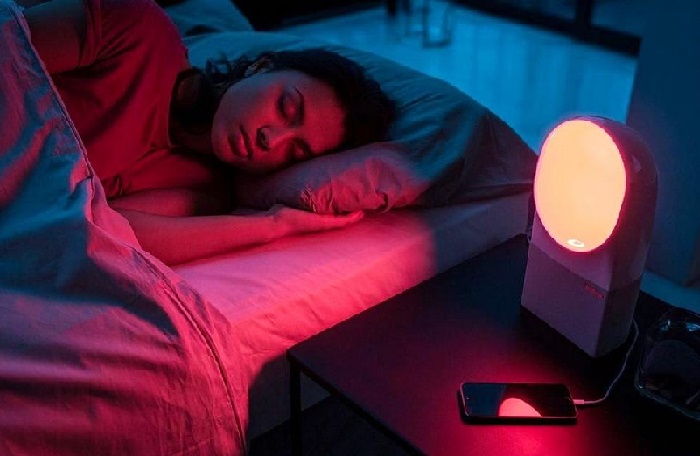
Both red led strip and warm white led strip are good for your sleep. When selecting LED strip lights for your sleep environment, consider dimmable options and explore automated lighting control to synchronize with your natural sleep-wake cycle.
What Color LED Strip Lights Are Best For Sleep?
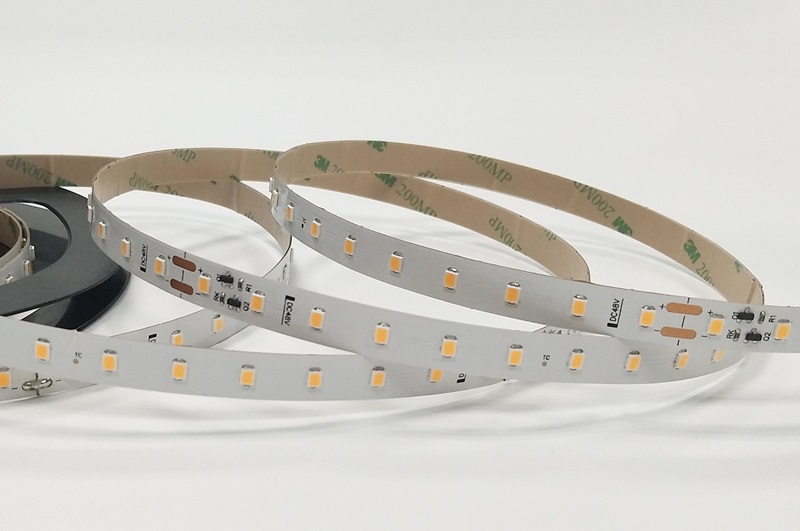
Generally, 12V LED strips can run up to 5 meters, while 24V LED strips can extend up to 10 meters. For longer runs, 48V LED strips can power up to 50 meters. High-voltage strips (like 110V or 240V AC strips) can reach 100 meters or more, making them ideal for large commercial or outdoor installations.
How Long Can LED Strips Be Powered from One End?
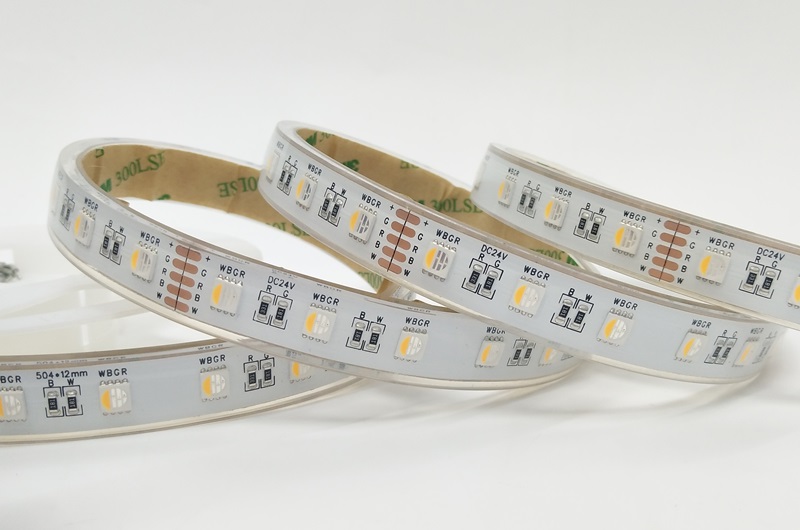
Waterproof LED strip lights combine functionality and design, giving you the flexibility to illuminate any space, rain or shine. Whether you’re adding style to an outdoor space or ensuring reliable lighting in high-humidity areas, these lights deliver long-lasting, energy-efficient results.
The Ultimate Guide To Waterproof LED Strip Light in 2026
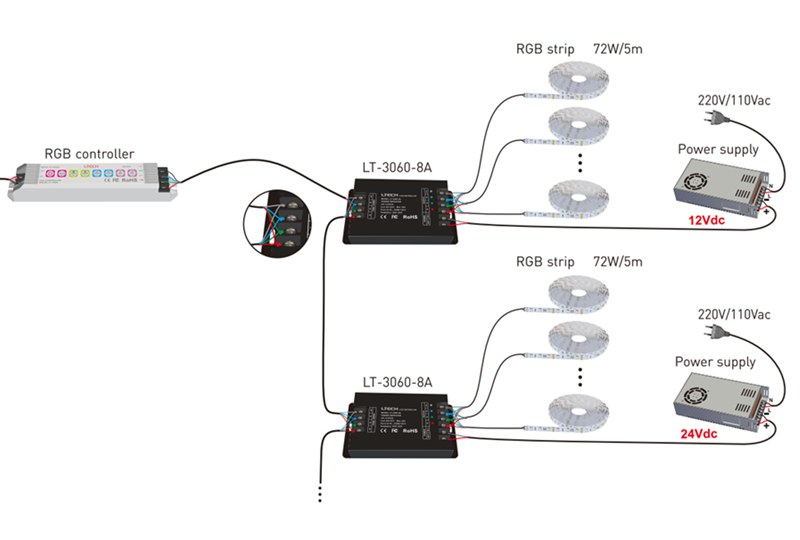
Learn how to wire RGB LED strip lights with three common methods: normal connection, long connection, and DMX connection. A complete guide to installing and wiring RGB LED strips for various projects.
How to wire a RGB LED Strip Light?
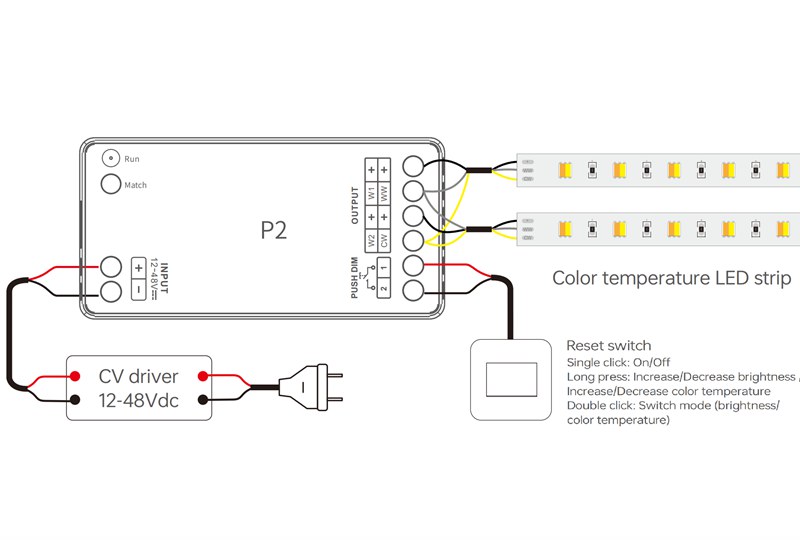
Learn how to wire tunable white or CCT adjustable LED strip lights with standard, long run, and DMX connection methods. Includes controller and amplifier tips.
How to wire tunable white or CCT adjustable LED Strip?
Need an Instant Quote For Your Upcoming Projects?
Send us the details and we will get back to you within 12 hours.